The Rise of Organic Forms in Lighting for Hospitality Spaces
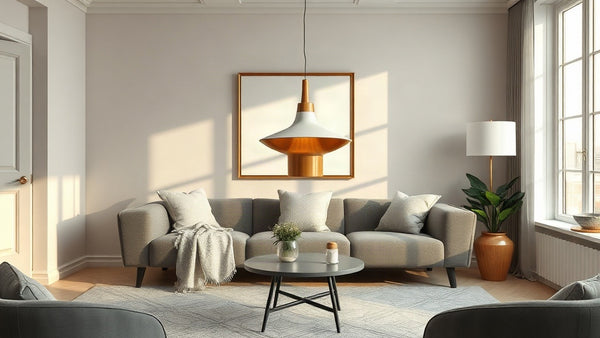
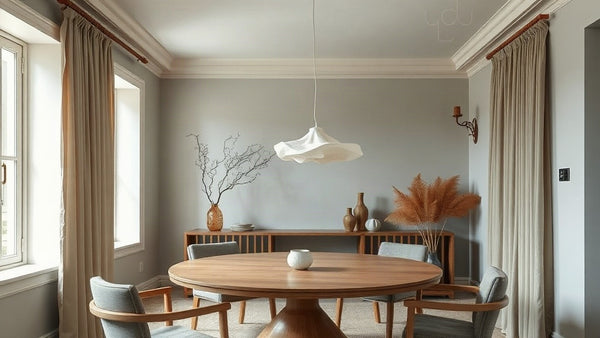
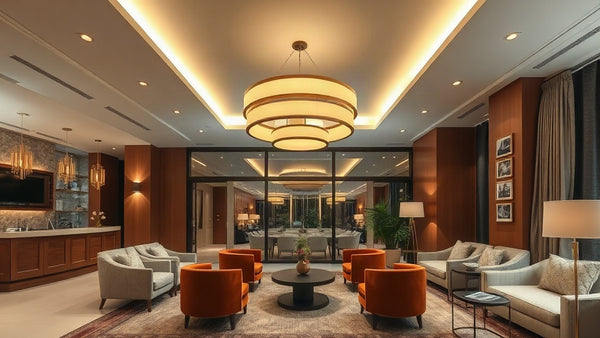
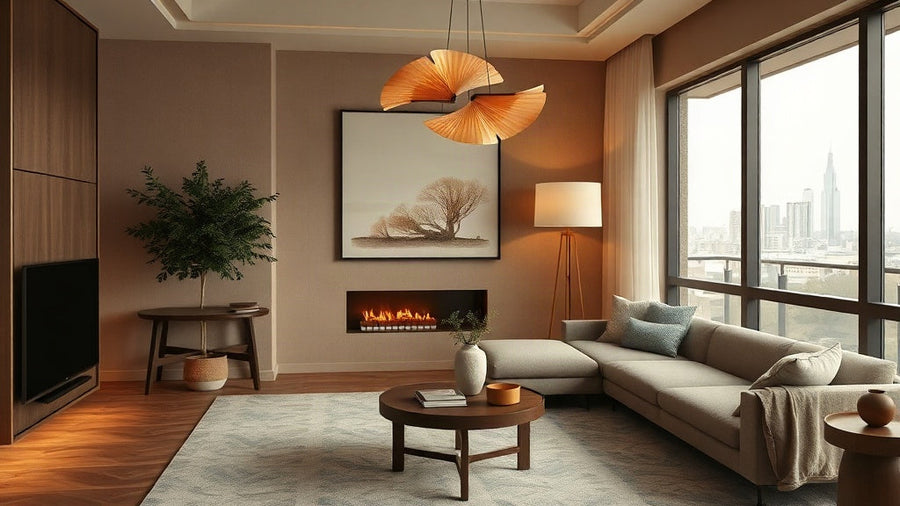
As we move through 2026, hospitality designers are increasingly turning to nature-inspired aesthetics to create memorable guest experiences. The influence of organic forms in lighting has become one of the year's defining trends, with the ginkgo leaf emerging as a particularly popular motif in commercial interiors. This shift reflects a broader consumer appetite for biophilic design—spaces that reconnect guests with the natural world whilst maintaining sophisticated, contemporary appeal.
For hotel owners, restaurant operators, and boutique retailers, this trend presents a genuine commercial opportunity. Organic lighting designs demonstrably improve guest perception, encourage longer dwell times, and justify premium pricing strategies.
Why Organic Forms Matter to Your Bottom Line
Research consistently shows that nature-inspired interiors increase customer satisfaction scores and repeat visits. The influence of organic forms in lighting creates visual interest without aggressive branding, allowing your venue's architecture and culinary or retail offering to take centre stage. A ginkgo leaf pendant fixture, for instance, functions as both practical illumination and sculptural design statement—delivering ROI through enhanced ambiance that guests willingly photograph and share on social media.
Key Benefits for Hospitality Buyers:
- Guest Experience: Organic, flowing lines reduce visual fatigue and create inviting, relaxed atmospheres
- Instagram Appeal: Nature-inspired designs are inherently photogenic, driving organic marketing
- Timeless Investment: Unlike trend-driven aesthetics, organic forms remain relevant across multiple seasons
- Versatility: Work equally well in contemporary, Scandinavian, and mid-century modern settings
- Accessibility: Premium designs now available at competitive price points
The Ginkgo Leaf: From Botanical Wonder to Design Icon
The ginkgo leaf's bilateral symmetry and gentle curves make it an ideal design reference. Unlike aggressive geometric forms, ginkgo-inspired fixtures convey sophistication without coldness. This balance is crucial in hospitality, where spaces must feel both curated and welcoming.
Summer 2026 sees lighter colour palettes dominating—soft ambers, warm whites, and natural brass finishes complement organic forms beautifully. Paired with strategic placement, these fixtures create layered lighting schemes that adapt to different times of day and guest moods.
Implementing Organic Lighting in Your Venue
Successful integration requires intentional placement. Consider pendant clusters above dining areas, sculptural floor pieces in lobby spaces, or statement wall-mounted fixtures in corridors. The key is treating organic lighting as architectural elements rather than afterthoughts.
Budget-conscious operators should prioritise high-traffic areas where lighting serves both functional and emotional purposes. A single striking ginkgo-inspired centrepiece often outperforms multiple conventional fixtures in terms of guest impact.
Looking Ahead
As lighting trends 2026 evolve, the influence of organic forms in lighting design shows no signs of diminishing. For hospitality buyers investing now, nature-inspired fixtures represent durable aesthetic and commercial sense—spaces that feel effortlessly refined whilst delivering measurable guest satisfaction improvements.
Explore the look through related pieces in our Modern Lighting collection.
Why this style works
The right light does more than illuminate a room. It sets the rhythm of the space, gives furniture a visual anchor, and helps a decorative scheme feel intentional rather than assembled. For readers arriving from search, this section connects the design idea to practical product selection.
- Creates a clear focal point
- Adds warmth and texture
- Works across contemporary and vintage-inspired rooms
How to choose the right piece
Start with scale, then material, then light temperature. A pendant or wall light should feel proportionate to the room and the furniture below it. Natural materials tend to soften modern interiors, while darker finishes can make a more graphic statement.
- Check ceiling height and furniture dimensions
- Choose a finish that repeats elsewhere in the room
- Use warm bulbs for living and dining spaces
Where to use it
This look is especially effective in dining rooms, bedrooms, hallways and boutique hospitality spaces where atmosphere matters. It can also work in renovations where a single lighting change needs to make the room feel more finished.
- Dining tables and kitchen islands
- Bedrooms and reading corners
- Hallways, restaurants and boutique hotels
Shop the Look
For the most relevant products, start with the article's featured piece and the matching collection. Product price, availability and images should be pulled live from Shopify when the template renders.
Browse the full related collection.
Nauradika Trade