Property Staging Lighting: What Architects Need to Know in 2026
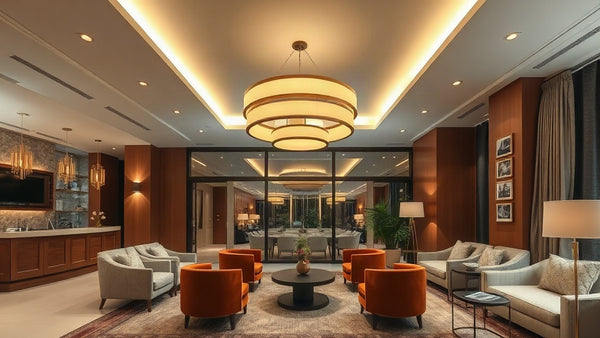
The role of lighting in property staging has evolved beyond basic illumination. Today's architects and designers recognise that property staging lighting directly influences buyer perception, spatial perception, and perceived value. With 2026 bringing fresh perspectives on residential and commercial interiors, understanding current lighting trends is essential for project success.
Why Property Staging Lighting Matters for Commercial & Residential Projects
Strategic lighting design accelerates decision-making during viewings. Well-executed home staging lights create psychological comfort, enhance spatial proportions, and showcase materials authentically. For architects balancing aesthetic vision with commercial outcomes, lighting becomes a specification as critical as materials themselves.
Summer 2026 emphasises lighter, airier interiors. Contemporary buyers expect homes that feel open and energised, particularly during daylight hours. This shifts the focus toward layered lighting systems that complement natural light rather than overpower it.
2026 Modern Lighting Trends Driving Design Decisions
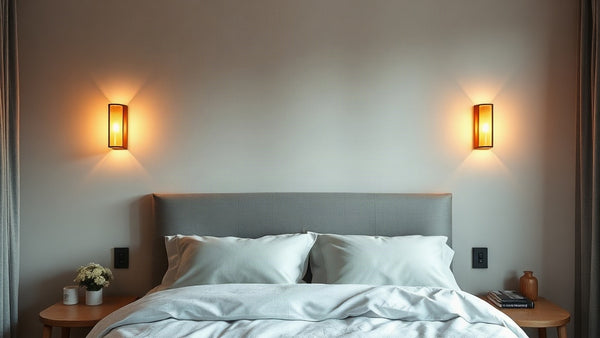
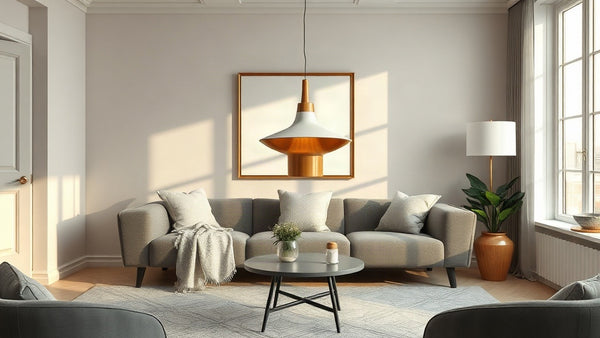
- Warm metallic finishes: Brushed brass and warm copper displace cold chrome. These materials photograph exceptionally well and suit both Scandinavian and mid-century modern aesthetics increasingly popular in UK residential markets.
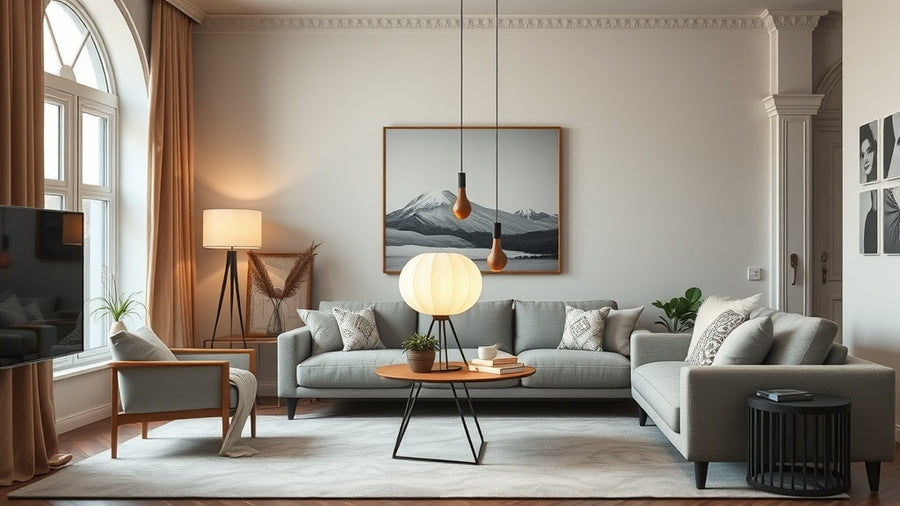
- Sculptural form as focal point: Statement lighting now serves dual purpose—functional illumination and interior design element. Pendant clusters and geometric suspended fixtures add visual interest without cluttering sightlines.
- Integrated dimming systems: Smart, seamless brightness adjustment allows staged spaces to transition from vibrant daytime settings to intimate evening scenarios within seconds.
- Minimal visible infrastructure: Recessed and semi-flush solutions dominate. Exposed cabling and industrial aesthetic are giving way to refined, almost invisible technical support.
- Colour temperature flexibility: 3000K remains standard for residential, but adjustable systems (3000K–4000K) provide versatility across varied property types and viewing times.
Specification Considerations for Staging Projects
When specifying property staging lighting, prioritise these technical factors:
- Ceiling heights and sightline impact—ensure pendant drops don't obstruct architectural features
- Dimmability and control systems—invest in intuitive interfaces for property managers
- Lumen output relative to room volume—under-lit spaces feel smaller; overlit spaces feel clinical
- Correlated colour temperature consistency across zones—mixed warmth reads as disjointed
- Energy efficiency ratings—increasingly important for EPC compliance and buyer expectations
Sourcing Specification-Grade Staging Lighting
Mid-century modern and Scandinavian-inspired designs remain reliable choices for property staging. Their timeless proportion and understated elegance appeal across demographics. Retailers like Nauradika offer architect-friendly specifications with detailed technical data, ensuring seamless integration into design documentation.
For summer 2026 projects, focus on lighting that enhances natural daylight rather than competing with it. Warm metallic finishes, sculptural form, and intelligent dimming create flexibility—essential when staging must serve multiple viewing scenarios.
Investing in quality home staging lights isn't optional; it's a specification choice that directly impacts project outcomes and client satisfaction.
Explore the look through property staging lighting options and related pieces in our Floor And Table Lamps collection.
Why this style works
The right light does more than illuminate a room. It sets the rhythm of the space, gives furniture a visual anchor, and helps a decorative scheme feel intentional rather than assembled. For readers arriving from search, this section connects the design idea to practical product selection.
- Creates a clear focal point
- Adds warmth and texture
- Works across contemporary and vintage-inspired rooms
How to choose the right piece
Start with scale, then material, then light temperature. A pendant or wall light should feel proportionate to the room and the furniture below it. Natural materials tend to soften modern interiors, while darker finishes can make a more graphic statement.
- Check ceiling height and furniture dimensions
- Choose a finish that repeats elsewhere in the room
- Use warm bulbs for living and dining spaces
Where to use it
This look is especially effective in dining rooms, bedrooms, hallways and boutique hospitality spaces where atmosphere matters. It can also work in renovations where a single lighting change needs to make the room feel more finished.
- Dining tables and kitchen islands
- Bedrooms and reading corners
- Hallways, restaurants and boutique hotels
Shop the Look
For the most relevant products, start with the article's featured piece and the matching collection. Product price, availability and images should be pulled live from Shopify when the template renders.
View the featured property staging lighting or browse the full related collection.
Featured in this guide
View collectionWhy this style works
Frequently asked questions
Nauradika Trade