Safety and Accessibility in Hotels: A Comprehensive Guide
Creating a safe and accessible environment is not just a legal requirement for hotels—it's a fundamental aspect of guest satisfaction and risk management. Boutique hotels that prioritize safety and accessibility demonstrate their commitment to all guests, enhance their reputation, and reduce liability risks. This guide explores essential safety measures and accessibility standards, with practical tips for implementing them in your property while maintaining stylish design elements like those from Nauradika's lighting collection.
Why Safety and Accessibility Matter in Hotels
Investing in safety and accessibility offers numerous benefits for boutique hotels:
- Legal Compliance: Avoid fines and legal issues by meeting ADA, fire safety, and building code requirements.
- Guest Inclusion: Ensure your hotel is welcoming and functional for guests with disabilities, seniors, and families with young children.
- Risk Reduction: Minimize accidents, injuries, and potential liability claims.
- Enhanced Reputation: Demonstrate your commitment to all guests, attracting positive reviews and repeat business.
- Competitive Advantage: Accessible hotels appeal to a broader market, including the growing number of travelers with disabilities.
- Improved Guest Experience: Thoughtful safety and accessibility features enhance comfort and convenience for all visitors.
Even safety features like emergency lighting can be stylish and cohesive with your hotel's design. Nauradika's collection offers options that combine safety, accessibility, and aesthetic appeal.
ADA Compliance: Creating Accessible Spaces
The Americans with Disabilities Act (ADA) sets standards for accessible design in public accommodations, including hotels. While ADA is a U.S. regulation, similar accessibility standards exist in many countries. Here's what you need to know:
Accessible Guest Rooms
ADA requires a percentage of guest rooms to be accessible. Key features include:
- Door Width: Minimum 32 inches clear width for wheelchair access.
-
Bathroom Accessibility:
- Roll-in showers or transfer showers with grab bars.
- Accessible sinks with knee clearance and lever-handled faucets.
- Toilets with grab bars and proper height (17-19 inches).
- Bed Height: 20-23 inches for easy transfer from wheelchairs.
- Lighting Controls: Easy-to-reach switches and adjustable lighting like the Midcentury Modern Bedside Wall Lamp for task lighting.
- Visual Alarms: For guests with hearing impairments.
Public Spaces and Common Areas
Ensure all public areas meet accessibility standards:
- Accessible Routes: Clear paths to all public spaces, including ramps where needed.
- Reception Desk: Lowered section for wheelchair users.
- Dining Areas: Tables with removable or adjustable legs for wheelchair access.
- Lighting: Even, glare-free lighting with sufficient brightness for guests with low vision.
- Signage: Braille and tactile signs for rooms and amenities.
Parking and Exterior Access
Provide accessible parking and entry:
- Accessible Parking Spaces: Located near accessible entrances, with proper signage and dimensions.
- Accessible Entrances: At least one accessible entrance with automatic doors or easy-to-open handles.
- Outdoor Lighting: Well-lit paths and entrances with fixtures like the Modern Wall Lamp Nordic Macaron LED for safety and visibility.
Communication Accessibility
Ensure your hotel communicates effectively with all guests:
- TTY/TDD Phones: For guests with hearing impairments.
- Visual Alerts: For fire alarms and other emergencies.
- Accessible Website: Compatible with screen readers and keyboard navigation.
- Staff Training: On communicating with guests who have disabilities.
Fire Safety: Protection and Prevention
Fire safety is critical in hotels, where guests may be unfamiliar with the building layout. Implement these measures to protect guests and property:
Fire Detection and Alarm Systems
Install and maintain comprehensive fire detection systems:
- Smoke Detectors: In all guest rooms, hallways, and common areas, tested regularly.
- Heat Detectors: In kitchens, laundry rooms, and mechanical spaces.
- Fire Alarms: Audible and visual alarms that meet local codes.
- Monitoring: 24/7 monitoring by a central station or local fire department.
Fire Suppression Systems
Equip your hotel with appropriate fire suppression systems:
- Sprinkler Systems: Automatic sprinklers in all guest rooms and common areas.
- Fire Extinguishers: Properly placed and maintained extinguishers, with staff trained in their use.
- Kitchen Suppression: Specialized systems for commercial kitchens.
Emergency Egress
Ensure safe, accessible exit routes:
- Clear Paths: Unobstructed exit routes with proper signage.
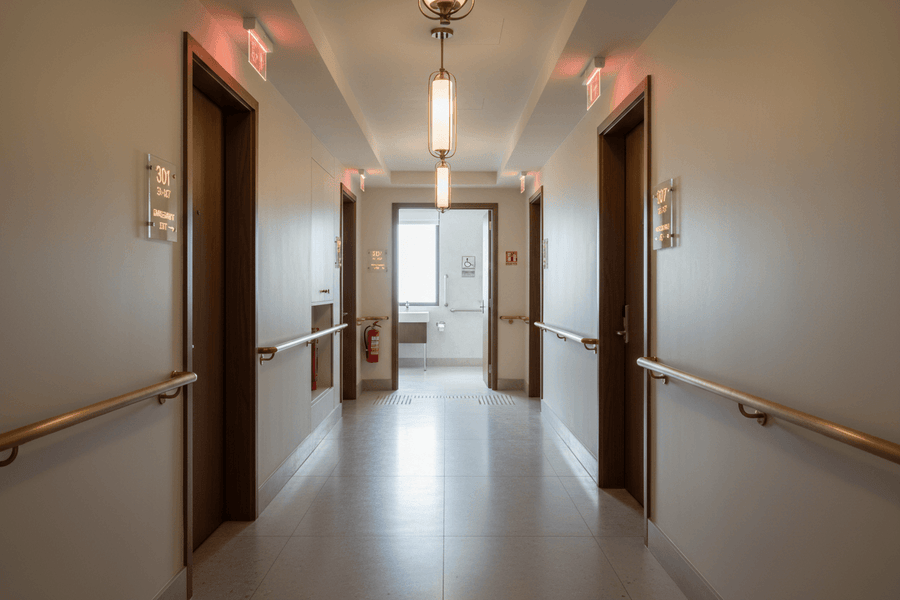
- Emergency Lighting: Battery-backed lighting that activates during power outages, such as the Modern Minimalist Nordic Wall Lamp with emergency backup options.
- Accessible Exits: Ramps or elevators for guests with mobility challenges.
- Exit Signs: Illuminated signs visible even in smoke-filled conditions.
Fire Safety Training
Prepare your staff to respond effectively in emergencies:
- Regular Drills: Conduct fire drills at least quarterly.
- Evacuation Plans: Posted in guest rooms and common areas.
- Staff Training: On fire prevention, evacuation procedures, and equipment use.
- Guest Education: Provide fire safety information in guest rooms.
Electrical Safety: Preventing Hazards
Electrical issues are a leading cause of hotel fires. Implement these measures to ensure electrical safety:
Safe Wiring and Outlets
Maintain a safe electrical system:
- Professional Installation: All wiring and outlets installed by licensed electricians.
- Regular Inspections: Annual inspections of electrical systems.
- GFCI Outlets: In bathrooms, kitchens, and outdoor areas to prevent shocks.
- Proper Load Balancing: Avoid overloading circuits with too many appliances.
Lighting Safety
Ensure all lighting fixtures are safely installed and maintained:
- Certified Fixtures: Use UL or CE-certified lighting like Nauradika's collection.
- Proper Installation: Follow manufacturer guidelines and local codes.
- Regular Maintenance: Clean fixtures and replace bulbs as needed.
- Heat Management: Ensure fixtures have proper ventilation to prevent overheating.
Emergency Power
Prepare for power outages with backup systems:
- Emergency Generators: To power critical systems during outages.
- Battery Backup: For emergency lighting and life safety systems.
- Uninterruptible Power Supplies: For computers and communication systems.
Guest Room Electrical Safety
Ensure guest rooms are equipped with safe electrical features:
- Tamper-Resistant Outlets: In rooms that may host families with young children.
- USB Charging Ports: Safely integrated into lighting fixtures or furniture.
- Cord Management: Secure cords to prevent tripping hazards.
- Clear Instructions: For operating electrical appliances safely.
General Safety Measures
Implement these additional safety measures to protect guests and staff:
Slip, Trip, and Fall Prevention
Prevent common accidents with these strategies:
- Non-Slip Flooring: In bathrooms, kitchens, and pool areas.
- Adequate Lighting: Well-lit stairways, hallways, and entrances with fixtures like the Modern Wall Lamp Nordic Macaron LED.
- Handrails: On all stairs and ramps.
- Clear Pathways: Keep walkways free of clutter and obstacles.
- Signage: Warn guests of wet floors or uneven surfaces.
Security Measures
Enhance guest and property security:
- Surveillance Cameras: In public areas and entrances.
- Secure Locks: On guest rooms and storage areas.
- Staff Training: On recognizing and responding to security threats.
- Emergency Contacts: Clearly posted in guest rooms.
First Aid and Medical Preparedness
Be ready to respond to medical emergencies:
- First Aid Kits: Stocked and accessible in multiple locations.
- Trained Staff: In basic first aid and CPR.
- AEDs: Automated External Defibrillators in public areas.
- Emergency Protocols: For medical emergencies, including clear instructions for staff.
Chemical and Hazardous Material Safety
Handle cleaning supplies and other hazardous materials safely:
- Proper Storage: In locked, ventilated cabinets.
- SDS Sheets: Safety Data Sheets available for all chemicals.
- Staff Training: On safe handling and spill response.
- Eco-Friendly Alternatives: Where possible, to reduce risks.
Universal Design: Beyond Compliance
Universal design goes beyond ADA compliance to create spaces that are accessible and comfortable for all guests, regardless of age or ability. Consider these principles:
Flexibility in Use
Design spaces that accommodate a wide range of individual preferences and abilities:
- Adjustable Features: Such as height-adjustable desks or shelves.
- Flexible Furniture: That can be easily moved or reconfigured.
- Customizable Lighting: Like dimmable Midcentury Modern Bedside Wall Lamps that allow guests to adjust brightness.
Simple and Intuitive Use
Make your hotel easy to understand and navigate:
- Clear Signage: With universal symbols and multiple languages.
- Intuitive Layouts: Logical flow in guest rooms and common areas.
- Easy-to-Use Controls: For lighting, temperature, and entertainment systems.
Perceptible Information
Ensure information is accessible to all guests:
- Visual and Auditory Alerts: For fire alarms and other emergencies.
- Tactile Signage: Braille and raised lettering for guests with visual impairments.
- Contrasting Colors: For better visibility of doors, handrails, and other features.
Tolerance for Error
Design to minimize hazards and adverse consequences of accidental actions:
- Safe Electrical Outlets: With tamper-resistant covers in guest rooms.
- Non-Slip Surfaces: In bathrooms and pool areas.
- Clear Pathways: Free of obstacles and tripping hazards.
Low Physical Effort
Minimize physical strain for guests and staff:
- Lever Handles: On doors and faucets for easy operation.
- Lightweight Materials: For furniture that's easy to move.
- Automatic Doors: In high-traffic areas.
Size and Space for Approach and Use
Provide appropriate size and space for approach, reach, manipulation, and use:
- Wide Doorways and Hallways: For wheelchair access and easy movement.
- Accessible Furniture: With appropriate heights and clearances.
- Spacious Bathrooms: With room for maneuvering and assistance.
Accessible Lighting Design
Lighting plays a crucial role in accessibility, affecting guests with visual impairments, mobility challenges, or sensitivity to light. Consider these accessible lighting strategies:
Adjustable and Task Lighting
Provide lighting that guests can customize to their needs:
- Dimmable Lights: Allow guests to adjust brightness levels, such as with the Midcentury Modern Bedside Wall Lamp.
- Task Lighting: Focused lighting for reading or other activities.
- Bedside Controls: Easy-to-reach switches or remote controls.
Even and Glare-Free Lighting
Create a comfortable lighting environment:
- Diffused Lighting: Reduces glare and harsh shadows.
- Uniform Light Levels: Avoids dark spots and overly bright areas.
- Anti-Glare Fixtures: Such as those with frosted glass or shades.
Lighting for Visual Impairments
Design lighting that accommodates guests with low vision:
- High Contrast: Between walls, floors, and fixtures for better visibility.
- Bright, Even Lighting: In hallways and common areas.
- Tactile Indicators: Near light switches for easy identification.
Emergency Lighting
Ensure safe egress during power outages:
- Battery-Backed Lighting: In hallways, stairwells, and exits.
- Illuminated Exit Signs: Visible in smoke or darkness.
- Pathway Lighting: Such as low-level Modern Wall Lamp Nordic Macaron LED fixtures with emergency backup.
Staff Training for Safety and Accessibility
Well-trained staff are essential for maintaining a safe and accessible hotel. Implement these training programs:
Emergency Procedures
Ensure all staff know how to respond in emergencies:
- Fire Safety: Evacuation routes, fire extinguisher use, and alarm protocols.
- Medical Emergencies: First aid, CPR, and AED use.
- Security Threats: Recognizing and responding to suspicious activity.
- Natural Disasters: Appropriate responses to earthquakes, floods, or severe weather.
Accessibility Training
Train staff to assist guests with disabilities:
- Disability Awareness: Understanding different types of disabilities and appropriate language.
- Assistive Devices: Proper use of wheelchairs, walkers, and other mobility aids.
- Communication Techniques: For guests with hearing or visual impairments.
- Accessible Features: Familiarity with your hotel's accessible rooms and amenities.
Safety Protocols
Establish and train staff on safety protocols:
- Housekeeping Safety: Proper handling of chemicals and equipment.
- Maintenance Safety: Safe practices for repairs and inspections.
- Guest Room Inspections: Checking for hazards or maintenance needs.
- Incident Reporting: Documenting and addressing safety concerns.
Guest Education
Train staff to educate guests about safety and accessibility features:
- Room Features: Explaining how to use accessible amenities and safety equipment.
- Emergency Procedures: Reviewing evacuation routes and protocols.
- Accessibility Services: Informing guests about available assistance and features.
Case Study: Implementing Safety and Accessibility in a Boutique Hotel
A 20-room boutique hotel in Chicago undertook a renovation to improve safety and accessibility while maintaining its historic charm. Here's how they approached the project:
Accessibility Upgrades
- Added an accessible guest room with roll-in shower, grab bars, and adjustable Midcentury Modern Bedside Wall Lamps for task lighting.
- Installed a chair lift to provide access to the second floor in the historic building where an elevator wasn't feasible.
- Updated the reception desk with a lowered section for wheelchair users.
- Added Braille signage throughout the hotel.
Fire Safety Improvements
- Upgraded the fire alarm system with visual strobe lights for guests with hearing impairments.
- Installed additional emergency lighting in hallways and exits.
- Added fire-resistant doors and improved compartmentalization to slow fire spread.
- Conducted staff training on new fire safety protocols and evacuation routes.
Electrical Safety
- Upgraded wiring to meet current codes and support new lighting fixtures.
- Installed GFCI outlets in bathrooms and kitchens.
- Added tamper-resistant outlets in guest rooms for child safety.
- Implemented a regular electrical inspection and maintenance schedule.
Results
The hotel achieved significant improvements:
- ADA Compliance: Met all accessibility requirements, avoiding potential fines and legal issues.
- Guest Satisfaction: Received a 20% increase in positive reviews mentioning accessibility and safety.
- Occupancy Rates: Saw a 15% increase in bookings from guests with disabilities and senior travelers.
- Insurance Savings: Reduced premiums due to improved safety measures and risk management.
- Staff Confidence: Employees reported feeling more prepared to handle emergencies and assist guests with disabilities.
Common Mistakes to Avoid
When implementing safety and accessibility measures, avoid these pitfalls:
- Ignoring Local Codes: Always check and comply with your specific local building and accessibility codes, which may be more stringent than national standards.
- Retrofitting Instead of Integrating: Accessibility features should be seamlessly integrated into the design, not added as an afterthought.
- Overlooking Staff Training: Even the best accessibility features are useless if staff don't know how to assist guests who need them.
- Neglecting Maintenance: Regularly inspect and maintain safety equipment, from fire extinguishers to emergency lighting.
- Assuming One Size Fits All: Accessibility needs vary widely among individuals. Offer a range of features and be prepared to accommodate specific requests.
- Sacrificing Aesthetics: Safety and accessibility features can be stylish. Choose designs that complement your hotel's aesthetic, like Nauradika's accessible lighting options.
- Forgetting About Digital Accessibility: Ensure your website and digital communications are accessible to guests with visual or hearing impairments.
Next Steps for Implementing Safety and Accessibility
Ready to enhance safety and accessibility in your boutique hotel? Follow these steps to create a secure, inclusive environment:
- Conduct an Audit: Assess your current safety and accessibility features, identifying areas for improvement.
- Review Local Codes: Understand the specific safety and accessibility requirements in your jurisdiction.
- Consult with Experts: Work with accessibility consultants, fire safety professionals, and electricians to develop a comprehensive plan.
- Prioritize Updates: Focus first on critical safety issues and high-impact accessibility features.
- Integrate Accessibility: Incorporate universal design principles into your renovation plans, including accessible lighting options from Nauradika's collection.
- Train Your Staff: Implement comprehensive training on safety protocols and accessibility services.
- Communicate with Guests: Clearly inform guests about your safety and accessibility features, both on your website and during their stay.
- Regular Maintenance: Establish a schedule for inspecting and maintaining safety equipment and accessibility features.
- Gather Feedback: Ask guests with disabilities about their experience and use their input to make continuous improvements.
- Stay Updated: Keep abreast of changes in safety codes and accessibility standards to ensure ongoing compliance.
For more information on accessible and safe lighting solutions, explore Nauradika's lighting collection.
Nauradika Trade