Lighting is more than just a necessity; it plays a pivotal role in creating the ambiance of our spaces. It influences our mood, highlights our favorite elements, and can even transform a room from bland to breathtaking. The evolution of modern lighting design reflects broader trends in architecture, technology, and taste. In this article, we'll explore how lighting has changed over the decades, the impact of technology, and how contemporary designs have reshaped our understanding of light.
A Glimpse into the Past: Historical Influences on Lighting
To truly appreciate where we are today in the realm of modern lighting, we must first look back to its beginnings. From flickering candles to incandescent bulbs, the history of lighting has been marked by innovation and creativity.
The Candle Era
Before electricity illuminated our homes, people relied on candles for light. These simple sources, made from wax and wicks, created a warm, flickering glow that set the stage for intimacy and homeliness. Candles not only served a practical purpose but also became an artistic expression in their holders, making statement pieces in homes.
The Advent of Gas Lighting
The 19th century saw a revolution in lighting with the introduction of gas lights. Public spaces, streets, and homes became brighter and more usable after dark. This innovation opened the door for new styles of lighting, with elaborate gas chandeliers becoming a symbol of luxury in affluent homes.
The Rise of Electrification
The invention of the electric light bulb by Thomas Edison in the late 19th century truly marked the beginning of modern lighting. This created an explosion of possibilities in lighting design, leading to the development of various fixtures that were functional yet aesthetically pleasing.
Modern Lighting: The Mid-20th Century to Today
As the 20th century rolled in, so did significant advancements in lighting technology, materials, and design philosophies. Each decade brought new trends that revolutionized the way we approach lighting in interior design.
Minimalism and Functionality: Mid-Century Modern Design
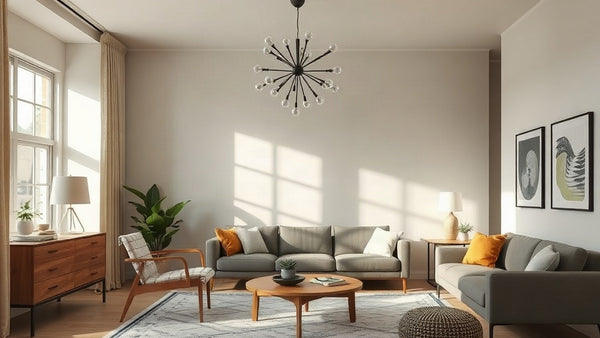
The mid-20th century was characterized by a minimalist aesthetic that emphasized functionality and simplicity. This era saw the emergence of iconic designs in lighting, focusing on clean lines, geometric shapes, and innovative materials.
Floor lamps and table lamps from this period often featured streamlined configurations, making them practical yet stylish. Designers like George Nelson and Richard Neutra pushed the envelope, introducing lighting pieces that became the very symbol of modern sophistication.
Transition into Eclectic Designs
As the late 20th century approached, lighting design began to mirror the eclectic tastes of its time. Homeowners sought unique lighting solutions that reflected personal taste and artistic expression. Ceiling light fixtures and wall light fixtures started to feature bold colors, textures, and unconventional shapes, indicative of the diverse cultural influences and material experimentation happening around the globe.
The Influence of Technology on Lighting Design
Technological advancement is a significant driver in the evolution of modern lighting. From the introduction of fluorescent lighting to the rise of LED technology, each development has brought revolutionary changes.
LED Revolution
The introduction of LED lighting has been particularly impactful. LEDs are energy-efficient, have a long lifespan, and offer versatile design opportunities. They have paved the way for innovations in all types of light fixtures, allowing designers to create work that challenges previous constraints of form and function.
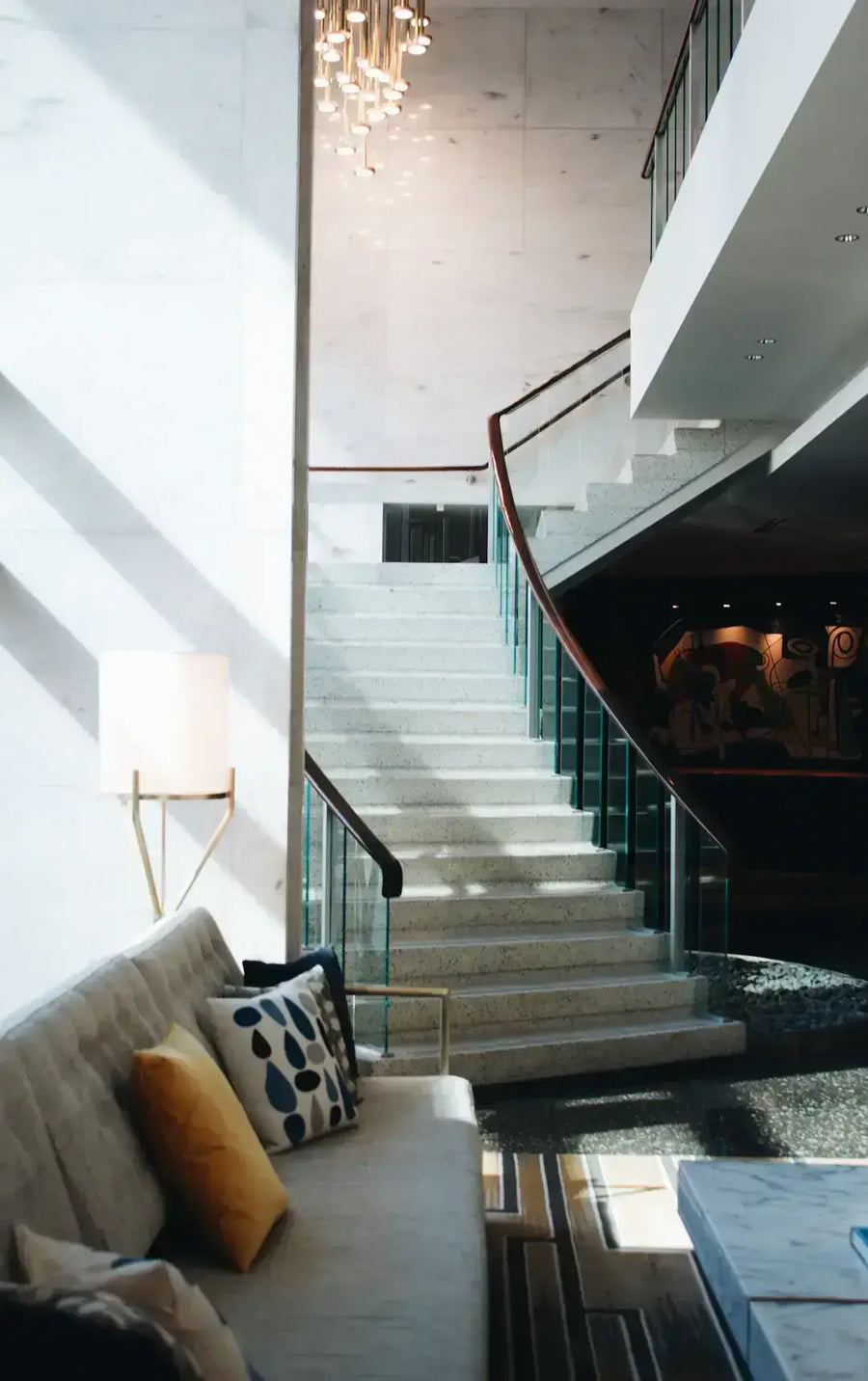
For example, new ceiling light fixtures can now be designed to be ultra-slim or even integrated within the architecture of a space. Additionally, the break from traditional bulb shapes means that table lamps and wall light fixtures can now be sculpted into artistic forms without worrying about heat or size limitations.
Smart Lighting: The Future
Today, we are venturing into a new frontier with smart lighting solutions that can be controlled via apps, motion sensors, or voice commands. These technologies not only enhance convenience but also enable customized lighting environments. Lighting can be adjusted to fit activities, moods, and even times of the day, reshaping our interaction with light and space.
The Importance of Lighting in Interior Design
Lighting is a fundamental aspect of interior design that often goes unnoticed but is essential for achieving the desired atmosphere in a space. The right lighting can enhance aesthetic appeal and functionality, making each light fixture an essential part of the overall design narrative.
Defining Spaces with Light
Modern interior design recognizes the importance of layering light with different fixture types. For instance, ambient lighting sets the mood, while task lighting directs focus to areas where activities take place. Using wall light fixtures, table lamps, and floor lamps in tandem can transform a room into a multi-functional space that adapts to varied uses.
Focal Points and Aesthetics
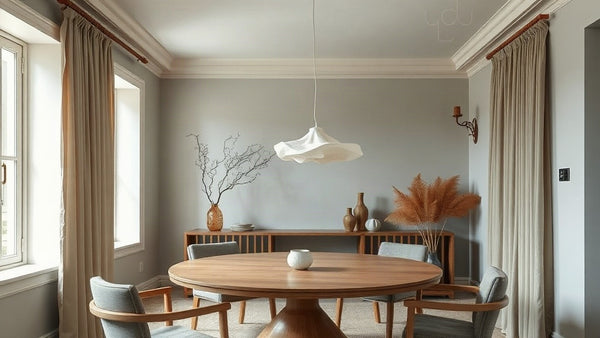
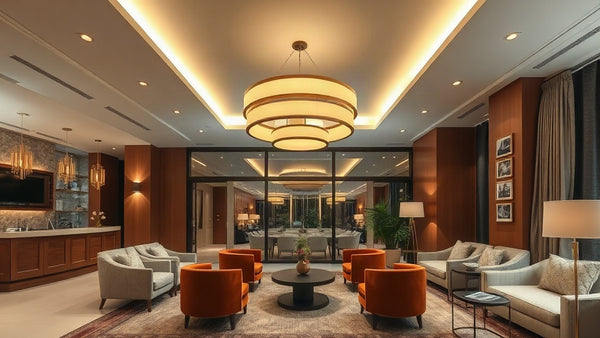
When designing interiors, lighting can also serve as a focal point. A stunning chandelier or a unique floor lamp can draw the eye and set the tone for the room. By carefully considering the placement and style of each light fixture, designers can create a cohesive look that aligns with the space's overall vision. This transformative power of light highlights why selecting lighting should be a priority when curating an interior.
Current Trends in Modern Lighting Design
As we dive deeper into the contemporary realm of lighting design, it's vital to note how current trends are influenced by a combination of sustainability, technology, and personal expression.
Sustainable Lighting Solutions
With growing environmental concerns, eco-friendly lighting solutions are increasingly popular. Energy-efficient LED lights are a staple in modern designs, while sustainable materials like reclaimed wood and recycled metals are now being used in the creation of various fixtures.
Artistry Meets Functionality
Today’s lighting goes beyond mere illumination. Designers are exploring the boundaries of art and functionality, producing pieces that not only provide light but also serve as striking art installations. Unique shapes, textures, and colors are merging in unexpected ways, allowing for bespoke lighting solutions to reflect individual tastes.
Mixing Formats and Styles
Eclectic designs continue to dominate the sphere of lighting, leading to a playful assortment of fixtures within interior spaces. Mixing different types of floor lamps, table lamps, and ceiling light fixtures instills a sense of personal character while celebrating the versatile possibilities within a room. This trend encourages creativity and invites homeowners to experiment with their lighting choices.
Elevate Your Space with Thoughtful Lighting Design
The evolution of modern lighting design showcases a rich tapestry woven from history, technology, and personal expression. As homeowners and designers alike continue to explore the power of light in shaping spaces, the possibilities are limitless. By understanding the significance of different lighting types, from captivating wall light fixtures to artistic table lamps, we can elevate our interiors into harmonious spaces that reflect our individuality and functionality.
As you embark on your journey to transform your home, remember that the right lighting can make all the difference. Embrace the discipline of thoughtful illumination, and let each light fixture narrate your personal story, creating an environment that is not only stylish but also inviting and vibrant. Your home is your canvas, so illuminate it beautifully!
Nauradika Trade