The Art of Imperfection: Why Wabi Sabi Pendant Lights Are Having a Moment
If you're renovating this summer, you've likely noticed a shift away from perfectly polished interiors towards something more authentic and soulful. The wabi sabi pendant light has emerged as the answer for homeowners seeking meaningful design that celebrates imperfection, impermanence and the beauty of natural materials.
Wabi sabi, the Japanese aesthetic philosophy, embraces asymmetry, raw textures and the patina of age. Unlike the sterile minimalism of previous decades, these lighting pieces bring warmth and character to modern homes—particularly as we move towards lighter, more considered interiors for summer living.
What Makes a Wabi Sabi Pendant Light Special?
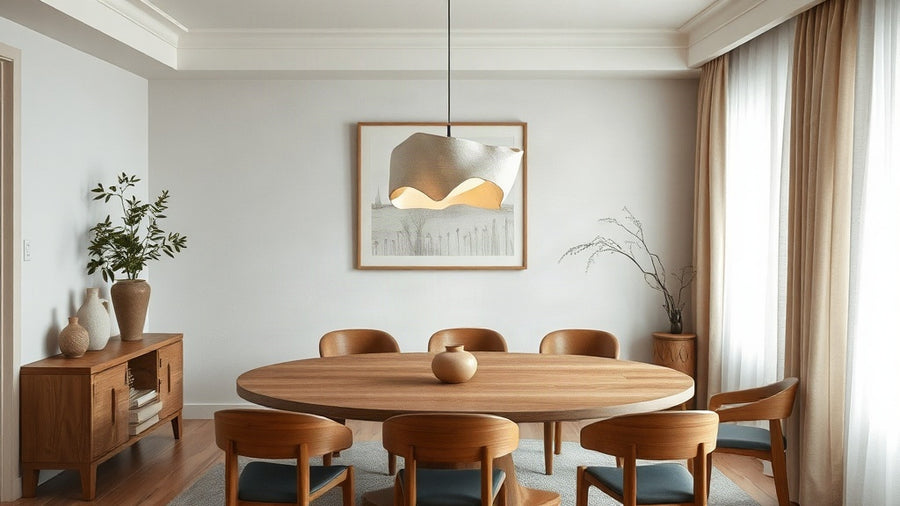
A true wabi sabi pendant light features organic, unrefined materials: aged ceramics, natural wood with visible grain, or handcrafted elements that show their maker's hand. You'll notice irregularities rather than uniformity—subtle cracks in glaze, uneven surfaces, earthy tones like charcoal, cream and weathered bronze.
- Handmade ceramic or clay shades with visible imperfections
- Natural wood elements, often reclaimed or left rough
- Muted, earthy colour palettes
- Asymmetrical designs that feel organic rather than engineered
These aren't budget compromises; they're intentional design choices that add depth and authenticity to your space.
Japanese Pendant Light Design Meets Modern Homes
The japanese pendant light tradition has influenced global lighting design for good reason. This year's trend report from Zhongshan's design community highlights how East Asian aesthetics—particularly wabi sabi—dominate 2026's most coveted interiors. Homeowners are moving away from matching sets and maximalist statement pieces towards singular, meaningful fixtures that serve as sculptural focal points.
Whether you're decorating a kitchen, bedroom or hallway, a japanese-inspired pendant creates visual interest without demanding attention. It sits comfortably alongside Scandinavian minimalism, mid-century modern pieces and contemporary furnishings.
Creating a Zen Ceiling Lamp Look Throughout Your Home
If you're drawn to the zen ceiling lamp aesthetic, consistency matters. Consider how natural light moves through your rooms during summer—these earthy, textured pieces look particularly beautiful when morning or afternoon sun catches their surfaces, creating subtle shadows and highlighting their natural variations.
Layer your wabi sabi pendant light with soft, diffused ambient lighting rather than bright task lighting. This supports the philosophy of creating calm, intentional spaces—perfect for summer relaxation and entertaining.
Where to Start
Begin with a statement wabi sabi pendant light in your main living area, where its organic qualities can be properly appreciated. Look for pieces that genuinely move you rather than ticking aesthetic boxes. The imperfections that might seem like flaws at first glance become the features you'll love most.
Quality matters here. A well-crafted wabi sabi pendant light will develop its own patina over time, becoming even more beautiful as it ages. That's the entire point: embracing a piece's journey rather than fighting time.
This summer, consider whether your interiors tell an honest story about how you actually live, or whether they're trying too hard to impress. The wabi sabi pendant light asks that question and answers it beautifully.
Explore the look through wabi sabi pendant light options and related pieces in our Japanese Light Fixtures collection.
Why this style works
The right light does more than illuminate a room. It sets the rhythm of the space, gives furniture a visual anchor, and helps a decorative scheme feel intentional rather than assembled. For readers arriving from search, this section connects the design idea to practical product selection.
- Creates a clear focal point
- Adds warmth and texture
- Works across contemporary and vintage-inspired rooms
How to choose the right piece
Start with scale, then material, then light temperature. A pendant or wall light should feel proportionate to the room and the furniture below it. Natural materials tend to soften modern interiors, while darker finishes can make a more graphic statement.
- Check ceiling height and furniture dimensions
- Choose a finish that repeats elsewhere in the room
- Use warm bulbs for living and dining spaces
Where to use it
This look is especially effective in dining rooms, bedrooms, hallways and boutique hospitality spaces where atmosphere matters. It can also work in renovations where a single lighting change needs to make the room feel more finished.
- Dining tables and kitchen islands
- Bedrooms and reading corners
- Hallways, restaurants and boutique hotels
Shop the Look
For the most relevant products, start with the article's featured piece and the matching collection. Product price, availability and images should be pulled live from Shopify when the template renders.
View the featured wabi sabi pendant light or browse the full related collection.
Featured in this guide
View collectionWhy this style works
Frequently asked questions
Nauradika Trade