Understanding A1 Crystal in Contemporary Lighting Design
As an interior designer specifying lighting for autumn schemes and cosy residential projects, you'll encounter A1 crystal frequently in premium chandelier ranges. But what exactly is A1 crystal, and how does it compare to genuine lead crystal or glass alternatives? Understanding this material is essential for accurate client communication and specification.
What is A1 Crystal? The Technical Definition
A1 crystal is a high-grade optical crystal material composed of 30% lead oxide content, combined with silica and other minerals. It sits between standard soda-lime glass and full lead crystal (which contains 24% minimum lead) in terms of both composition and performance. The primary keyword "what is A1 crystal" requires clarification: it is genuine crystal, not fake, but represents a cost-effective alternative to traditional 32-50% lead crystal varieties.
The lead oxide content distinguishes A1 crystal from ordinary glass. This composition delivers superior optical properties—enhanced light refraction, clarity, and brilliance—making it ideal for statement pendant lights and chandelier applications where light-play matters aesthetically.
A1 Crystal vs. Other Materials: Key Comparisons
- Lead Crystal (32-50% PbO): Maximum brilliance and weight; premium pricing; highest environmental concerns during manufacturing
- A1 Crystal (30% PbO): Excellent light refraction; mid-range cost; accessible luxury positioning
- K9 Crystal (10% PbO): Good clarity; budget-friendly; less pronounced sparkle
- Soda-Lime Glass: Standard optical properties; economical; no lead content
So, is A1 crystal glass? Technically, all crystal varieties are glass-based, but A1 crystal's lead content elevates it beyond standard soda-lime glass into the crystal category.
Design Relevance for Autumn 2026 Projects
Crystal remains undeniably in style for contemporary interiors, particularly in Scandinavian-inspired minimalist schemes and mid-century modern revival spaces. A1 crystal chandeliers and pendants bridge nostalgic design with modern sustainability concerns—offering authentic sparkle without the environmental footprint of full lead crystal.
For cosy autumn palettes, A1 crystal fixtures paired with warm brass or matte black metalwork create sophisticated focal points. The material's refractive qualities amplify ambient lighting, essential for achieving that coveted seasonal warmth in lower-light months.
Specification Considerations
- A1 crystal is heavier than standard glass, requiring robust ceiling fixings
- Exceptional dust sensitivity—specify professional cleaning schedules for maintenance
- Lead content requires responsible disposal protocols
- Superior clarity makes it ideal for visible-bulb contemporary designs
- Optical properties improve with quality LED warm-white lighting (2700K recommended)
Sourcing Quality A1 Crystal Fixtures
When specifying A1 crystal for client projects, verify authenticity through material certifications. Quality manufacturers disclose lead oxide percentages clearly. At Nauradika, our curated collection of mid-century and Scandinavian designer lighting features certified A1 crystal options, offering designers competitive pricing without compromising on genuine material quality.
A1 crystal represents the intelligent designer's choice—authentic crystalline material with contemporary cost-consciousness and proven aesthetic longevity across residential and commercial interiors.
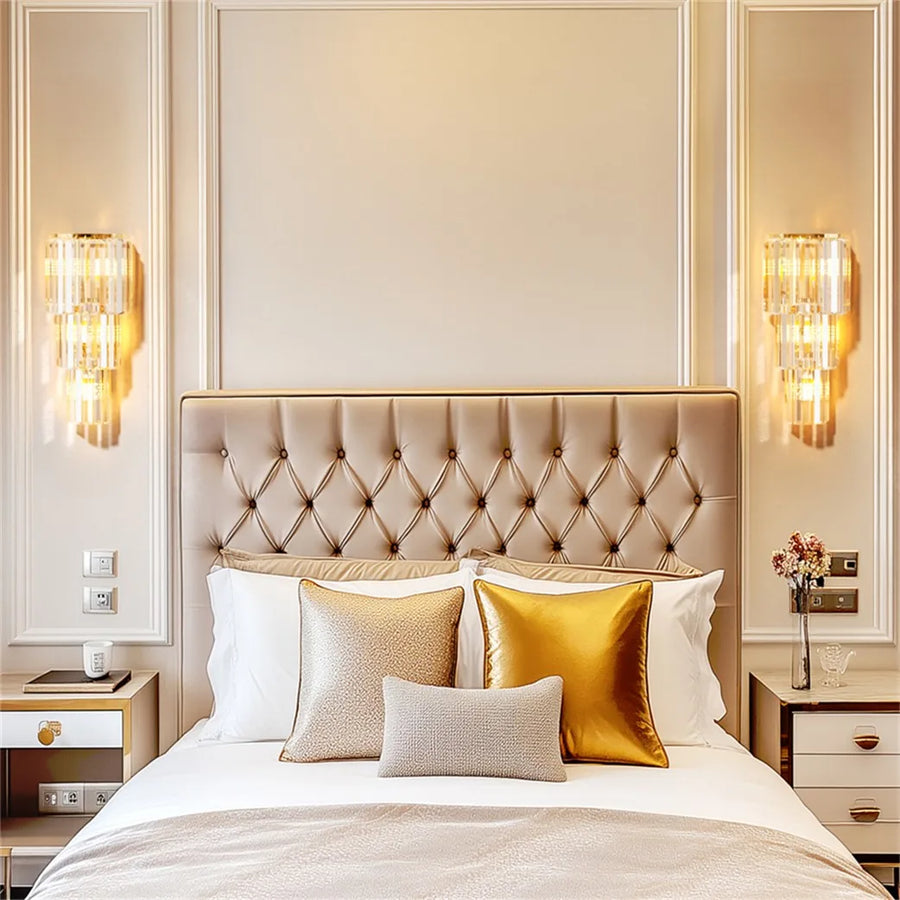
Explore crystal lighting with the Luxurious Art-Deco Crystal Wall Light, or browse related pieces in our Modern Lighting collection.
Why this style works
The right light does more than illuminate a room. It sets the rhythm of the space, gives furniture a visual anchor, and helps a decorative scheme feel intentional rather than assembled. For readers arriving from search, this section connects the design idea to practical product selection.
- Creates a clear focal point
- Adds warmth and texture
- Works across contemporary and vintage-inspired rooms
How to choose the right piece
Start with scale, then material, then light temperature. A pendant or wall light should feel proportionate to the room and the furniture below it. Natural materials tend to soften modern interiors, while darker finishes can make a more graphic statement.
- Check ceiling height and furniture dimensions
- Choose a finish that repeats elsewhere in the room
- Use warm bulbs for living and dining spaces
Where to use it
This look is especially effective in dining rooms, bedrooms, hallways and boutique hospitality spaces where atmosphere matters. It can also work in renovations where a single lighting change needs to make the room feel more finished.
- Dining tables and kitchen islands
- Bedrooms and reading corners
- Hallways, restaurants and boutique hotels
Shop the Look
For the most relevant products, start with the article's featured piece and the matching collection. Product price, availability and images should be pulled live from Shopify when the template renders.
Shop the Luxurious Art-Deco Crystal Wall Light or explore the Gold K9 Crystal Mini Pendant Light. You can also browse the full related collection.
Featured in this guide
View collectionWhy this style works
Frequently asked questions
Nauradika Trade