Creating Light-Filled Spaces: The Architect's Approach to Summer Interiors
As we move through summer 2026, homeowners are increasingly thinking like architects when it comes to lighting design. Whether you're renovating a kitchen, refreshing a bedroom, or reimagining your living space, understanding how lighting for architects works—layering light, creating spatial depth, and guiding the eye—transforms ordinary rooms into thoughtfully designed sanctuaries.
The current trend isn't about brightness alone. It's about intentionality. Architects have long known that light shapes perception, emotion, and how we move through a space. This summer, that professional-grade thinking is becoming mainstream, and homeowners are embracing it.
The Three-Layer Philosophy
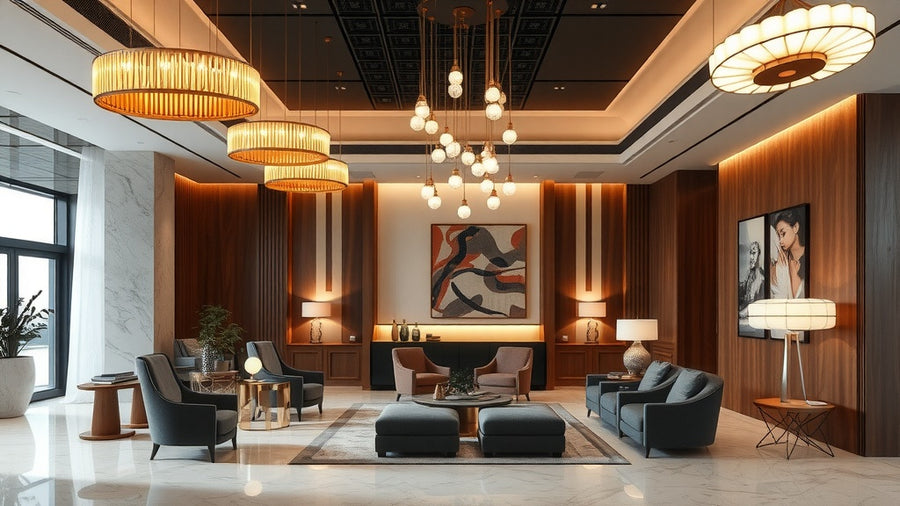
Professional specification lighting typically follows a time-tested framework: ambient, task, and accent lighting. This layered approach, beloved by architects and designers, gives you complete control over your interior's mood and functionality.
- Ambient lighting provides overall illumination—think ceiling fixtures or wall-mounted designs that establish a comfortable baseline
- Task lighting targets specific areas where you work or read, reducing strain and creating practical zones
- Accent lighting highlights architectural features, artwork, or plants, adding drama and dimension
When designing lighting for architects and homeowners alike, this hierarchy prevents over-lit, flat interiors. Instead, you get sophisticated spatial effects that feel both modern and welcoming.
Trending Designs for Summer 2026
Minimalist Scandinavian Fixtures
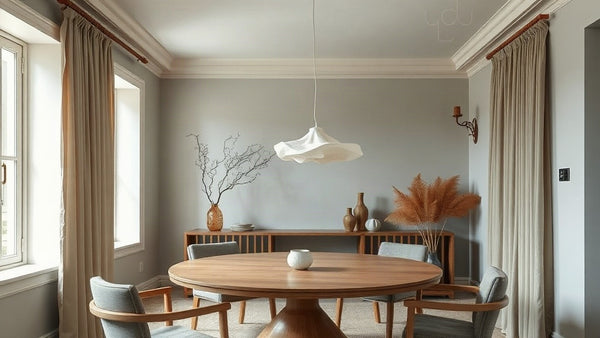
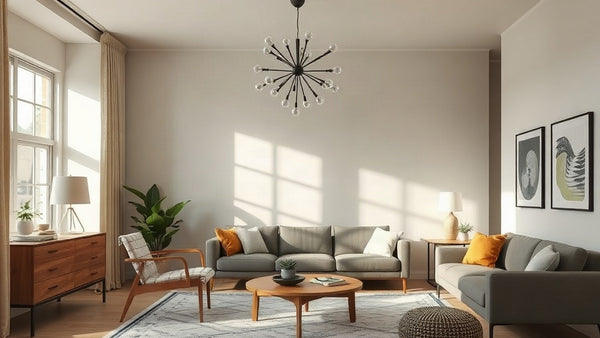
Clean lines and understated elegance continue to dominate. Mid-century modern pendants in brushed brass or matte black are perfect for kitchens and dining areas, casting warm pools of light without visual clutter. These pieces work beautifully as both functional and sculptural elements.
Warm Colour Temperatures
Gone are the days of harsh, cool white light. Architects now specify 2700K–3000K warmth as standard, creating spaces that feel naturally inviting even in high summer. This mimics natural daylight whilst maintaining that essential cosiness.
Flexible, Dimmable Systems
Trade lighting and specification lighting emphasize adaptability. Dimmable fixtures let you shift from energizing morning light to relaxed evening ambiance without switching fixtures. Smart controls are becoming the norm, not a luxury.
Applying Architect-Inspired Principles at Home
You don't need a degree in architecture to implement these ideas. Start by assessing how natural light moves through your space throughout the day. Notice shadows, bright spots, and areas that feel dim or uncomfortable. That observation is where all good lighting for architects and thoughtful homeowners begins.
Next, map your needs. Where do you read? Cook? Relax? Design lighting around these activities rather than simply installing fixtures in expected places. A pendant above the kitchen island isn't just practical—it's a sculptural statement that anchors the room.
Finally, choose quality pieces that will age beautifully. Scandinavian and mid-century modern designs aren't trends—they're timeless. Investing in well-crafted fixtures means enjoying them for decades, not seasons.
Your Summer Lighting Project Starts Here
Whether you're undertaking a full renovation or simply refreshing a room, applying architect-level thinking to your lighting elevates everything. Explore our curated collection of designer fixtures at accessible prices, and bring that professional spatial confidence into your home.
Explore the look through lighting for architects options and related pieces in our Modern Lighting collection.
Why this style works
The right light does more than illuminate a room. It sets the rhythm of the space, gives furniture a visual anchor, and helps a decorative scheme feel intentional rather than assembled. For readers arriving from search, this section connects the design idea to practical product selection.
- Creates a clear focal point
- Adds warmth and texture
- Works across contemporary and vintage-inspired rooms
How to choose the right piece
Start with scale, then material, then light temperature. A pendant or wall light should feel proportionate to the room and the furniture below it. Natural materials tend to soften modern interiors, while darker finishes can make a more graphic statement.
- Check ceiling height and furniture dimensions
- Choose a finish that repeats elsewhere in the room
- Use warm bulbs for living and dining spaces
Where to use it
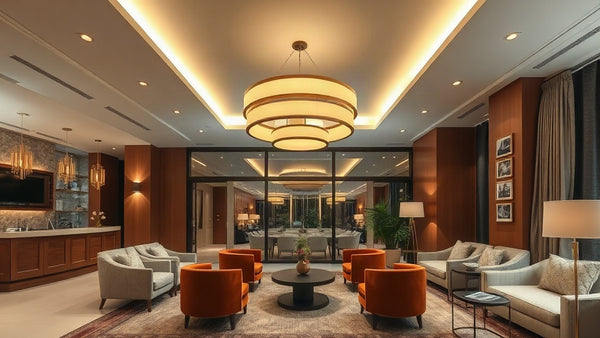
This look is especially effective in dining rooms, bedrooms, hallways and boutique hospitality spaces where atmosphere matters. It can also work in renovations where a single lighting change needs to make the room feel more finished.
- Dining tables and kitchen islands
- Bedrooms and reading corners
- Hallways, restaurants and boutique hotels
Shop the Look
For the most relevant products, start with the article's featured piece and the matching collection. Product price, availability and images should be pulled live from Shopify when the template renders.
View the featured lighting for architects or browse the full related collection.
Featured in this guide
View collectionWhy this style works
Frequently asked questions
Nauradika Trade