Navigating Permits for Hotel Renovations: A Comprehensive Guide
Renovating your boutique hotel is an exciting opportunity to refresh your property and enhance the guest experience. However, navigating the permit process can be one of the most challenging aspects of any renovation project. Understanding the required permits, timelines, and compliance standards is crucial for avoiding costly delays and legal issues. This guide will help you understand the permit landscape, prepare your application, and streamline the approval process for your hotel renovation.
Why Permits Matter for Hotel Renovations
Permits are more than just bureaucratic hurdles—they ensure your renovation:
- Meets Safety Standards: Protects guests, staff, and your property from potential hazards.
- Complies with Local Laws: Ensures your project adheres to zoning, building, and fire codes.
- Maintains Insurance Coverage: Most insurance policies require valid permits for renovation work.
- Avoids Costly Fines: Unpermitted work can result in fines, forced removals, or legal action.
- Preserves Property Value: Properly permitted renovations maintain or increase your hotel's value.
Even seemingly minor updates, such as rewiring for new lighting fixtures like those from Nauradika's collection, may require permits. Always check with your local building department before starting any work.
Common Types of Permits for Hotel Renovations
The permits you need depend on the scope of your renovation. Here are the most common types for boutique hotel projects:
1. Building Permits
When Required: For structural changes, electrical work, plumbing updates, or HVAC modifications.
What It Covers:
- Structural alterations (e.g., removing walls, adding extensions).
- Electrical system upgrades (e.g., new wiring for lighting fixtures).
- Plumbing changes (e.g., relocating sinks or adding bathrooms).
- HVAC system modifications.
Why It Matters: Ensures all structural and system changes meet safety codes. For example, installing new Modern Wall Lamp Nordic Macaron LED fixtures may require electrical permits if rewiring is involved.
2. Zoning Permits
When Required: If your renovation changes the use of space (e.g., converting a storage area to a guest room) or alters the building's footprint.
What It Covers:
- Changes to the building's use or occupancy type.
- Additions that affect the property's zoning compliance.
- Exterior modifications that impact the building's appearance or setbacks.
3. Electrical Permits
When Required: For any electrical work, including installing new lighting, outlets, or wiring.
What It Covers:
- New wiring or circuit installation.
- Upgrades to electrical panels.
- Installation of new lighting fixtures (e.g., Midcentury Modern Bedside Wall Lamp).
4. Plumbing Permits
When Required: For any changes to plumbing systems, including bathrooms and kitchens.
What It Covers:
- New or relocated plumbing fixtures.
- Updates to water heaters or piping.
- Installation of new bathroom or kitchen facilities.
5. Fire Safety Permits
When Required: For changes affecting fire safety systems or occupancy limits.
What It Covers:
- Installation or modification of fire alarms, sprinklers, or extinguishers.
- Changes to emergency exits or evacuation routes.
- Updates that affect the building's occupancy capacity.
6. Historic Preservation Permits
When Required: If your hotel is in a historic district or is a designated landmark.
What It Covers:
- Exterior changes that affect the building's historic character.
- Interior modifications in public or historically significant spaces.
- Additions or alterations that impact the building's architectural integrity.
7. ADA Compliance Permits
When Required: For renovations affecting accessibility features.
What It Covers:
- Modifications to guest rooms, bathrooms, or common areas to improve accessibility.
- Installation of ramps, elevators, or accessible routes.
- Updates to door widths, hallway clearances, or counter heights.
Step-by-Step Permit Process
Navigating the permit process can be complex, but breaking it down into steps makes it more manageable:
1. Research Local Requirements
Start by contacting your local building department to understand:
- Which permits are required for your specific renovation plans.
- Application procedures, fees, and timelines.
- Any local ordinances or zoning laws that may affect your project.
Many municipalities have websites with permit information and checklists. For example, installing new lighting fixtures may require an electrical permit, while structural changes need a building permit.
2. Prepare Your Documentation
Gather the necessary documents for your permit application. Common requirements include:
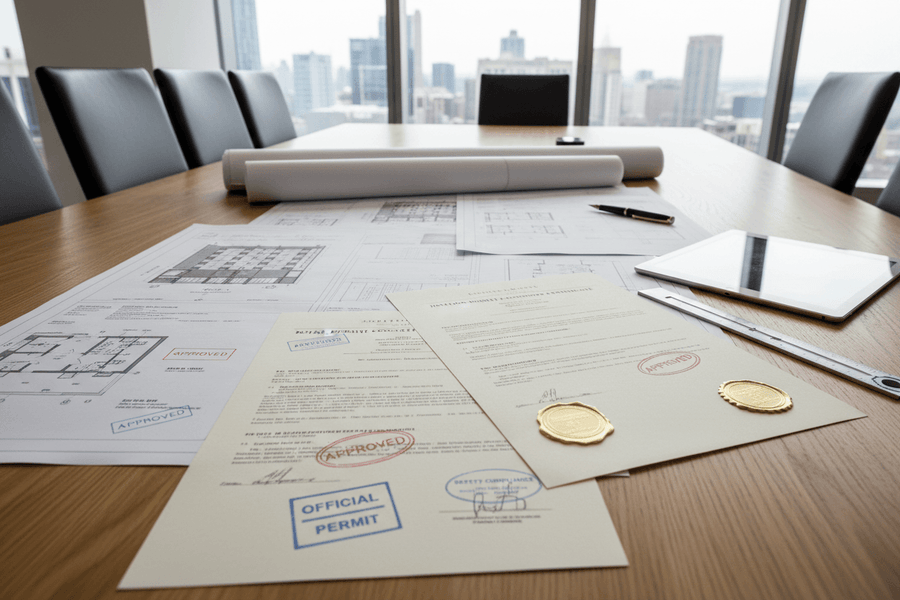
- Detailed project plans (e.g., blueprints, electrical diagrams).
- Property surveys or site plans.
- Contractor licenses and insurance certificates.
- Product specifications (e.g., for lighting fixtures like the Modern Minimalist Nordic Wall Lamp).
- Energy compliance documentation (e.g., Title 24 in California).
3. Submit Your Application
Follow your local building department's procedures for submitting permit applications. This may involve:
- Online submissions through a municipal portal.
- In-person submissions at the building department.
- Payment of application fees (typically based on project value).
Be prepared for a review period, during which the building department may request additional information or revisions.
4. Address Feedback and Revisions
If your application is incomplete or doesn't meet code requirements, the building department will provide feedback. Work with your architect or contractor to:
- Clarify any ambiguous aspects of your plans.
- Revise designs to comply with code requirements.
- Provide additional documentation as requested.
5. Receive Approval and Begin Work
Once your permits are approved:
- Post the permit visibly at the job site (often required by law).
- Begin work according to the approved plans.
- Keep a copy of the permit and approved plans on-site for inspections.
6. Schedule and Pass Inspections
Most permits require inspections at various stages of the project. Common inspection points include:
- Rough-in Inspections: For electrical, plumbing, or structural work before it's concealed.
- Final Inspections: To verify that the completed work meets code requirements.
- Specialty Inspections: For fire safety systems, accessibility features, or energy compliance.
Schedule inspections in advance and ensure your contractor is present to address any issues.
7. Close Out Permits
Once all work is completed and final inspections are passed:
- Obtain a certificate of occupancy or completion if required.
- Keep all permit documentation for your records and future reference.
- Update your insurance provider with details of the renovations.
Common Challenges and How to Overcome Them
Navigating the permit process can present several challenges. Here's how to address common issues:
1. Long Review Times
Challenge: Permit reviews can take weeks or even months, delaying your project.
Solution:
- Submit your application as early as possible.
- Ensure your documentation is complete and accurate to avoid delays.
- Follow up regularly with the building department for updates.
2. Code Compliance Issues
Challenge: Your plans may not meet current building codes, requiring revisions.
Solution:
- Work with an experienced architect familiar with local codes.
- Address code violations early in the design process.
- Be prepared to make compromises or adjustments to meet requirements.
3. Historic Preservation Restrictions
Challenge: Renovating a historic property may limit your design options.
Solution:
- Consult with the historic preservation office early in the process.
- Focus on interior updates that don't affect the building's exterior character.
- Choose fixtures and materials that complement the historic aesthetic, such as vintage-inspired lighting from Nauradika's collection.
4. Zoning Limitations
Challenge: Zoning laws may restrict your renovation plans, such as adding guest rooms or expanding the building.
Solution:
- Research zoning laws before finalizing your plans.
- Consider a zoning variance if your project doesn't comply with current laws.
- Work with a zoning consultant or attorney if needed.
5. Contractor Licensing Issues
Challenge: Your contractor's license may not be valid or may not cover the scope of work.
Solution:
- Verify your contractor's license and insurance before hiring.
- Ensure the license covers the specific type of work (e.g., electrical, plumbing).
- Check for any complaints or violations on record.
Working with Professionals to Streamline the Permit Process
Assembling the right team can make navigating permits much smoother. Here's how each professional can help:
Architect
Role in Permits:
- Prepares detailed drawings and specifications required for permit applications.
- Ensures designs comply with building codes and zoning laws.
- Communicates with the building department to address feedback or revisions.
Contractor
Role in Permits:
- Pulls necessary permits for construction work (in some jurisdictions).
- Coordinates inspections with the building department.
- Ensures work is completed according to approved plans and codes.
Lighting Designer
Role in Permits:
- Provides specifications for lighting fixtures to include in electrical permit applications.
- Ensures lighting designs meet energy codes and safety standards.
- Recommends fixtures like the Modern Wall Lamp Nordic Macaron LED that comply with efficiency requirements.
Expeditor
Role in Permits:
- Specializes in navigating the permit process and can expedite approvals.
- Handles communication with the building department on your behalf.
- Ensures all documentation is complete and submitted correctly.
Special Considerations for Lighting Permits
Lighting updates often require electrical permits, especially when rewiring or installing new fixtures. Keep these considerations in mind:
When Permits Are Required
You typically need a permit for lighting work that involves:
- New wiring or circuit installation.
- Relocating or adding electrical outlets or switches.
- Installing hardwired lighting fixtures (e.g., Midcentury Modern Bedside Wall Lamp).
- Upgrading electrical panels to accommodate new lighting loads.
Energy Code Compliance
Many jurisdictions have energy codes that affect lighting choices:
- LED lighting is often required for new installations due to its energy efficiency.
- Occupancy sensors or dimmers may be mandated in certain areas.
- Documentation of fixture specifications (e.g., lumens per watt) may be required.
Nauradika's lighting collection includes energy-efficient options that meet most energy codes, such as the Modern Minimalist Nordic Wall Lamp.
Inspection Requirements
Lighting work typically requires:
- Rough-in Inspection: Before walls are closed up, to verify wiring is correctly installed.
- Final Inspection: After fixtures are installed, to ensure they're properly connected and functional.
Case Study: Navigating Permits for a Boutique Hotel Renovation
A 30-room boutique hotel in Barcelona planned to renovate its guest rooms and common areas, including updating the lighting to more energy-efficient fixtures. Here's how they navigated the permit process:
Challenges
- The hotel was located in a historic district, requiring historic preservation permits.
- Electrical updates for new lighting fixtures triggered the need for building and electrical permits.
- The local building department had a backlog, causing potential delays.
Solutions
- Early Planning: The hotel owner worked with an architect and expeditor to prepare and submit permit applications 3 months before the planned start date.
- Historic Compliance: They chose lighting fixtures that complemented the historic character of the building, such as the Modern Minimalist Nordic Wall Lamp, which met both aesthetic and energy code requirements.
- Phased Approvals: They broke the project into phases, securing permits for guest rooms first to begin work while waiting for common area approvals.
- Regular Follow-ups: The expeditor followed up weekly with the building department to check on the application status and address any feedback promptly.
Results
The hotel:
- Received all permits within 6 weeks, avoiding significant delays.
- Completed the renovation on time and within budget.
- Achieved a 25% reduction in energy costs thanks to the new LED lighting.
- Passed all inspections on the first try, with inspectors praising the quality of the electrical work.
Tips for a Smooth Permit Process
Follow these best practices to navigate the permit process efficiently:
- Start Early: Begin the permit process as soon as your plans are finalized. Delays in approvals can push back your entire project timeline.
- Work with Experienced Professionals: Hire architects and contractors familiar with local permit requirements and building department processes.
- Be Thorough with Documentation: Ensure your permit application includes all required drawings, specifications, and supporting documents.
- Communicate Clearly: Maintain open lines of communication with your team and the building department to address any issues promptly.
- Plan for Inspections: Schedule inspections well in advance and ensure the relevant team members are present to address any concerns.
- Keep Records: Maintain copies of all permit documentation, inspection reports, and approvals for future reference.
- Stay Flexible: Be prepared to adjust your plans or timeline based on permit feedback or delays.
Next Steps for Navigating Permits
Ready to tackle the permit process for your boutique hotel renovation? Follow these steps:
- Research Local Requirements: Contact your building department to understand the permits needed for your specific project.
- Assemble Your Team: Hire an architect, contractor, and other professionals experienced in local permit processes.
- Finalize Your Plans: Work with your architect to create detailed drawings and specifications that meet code requirements.
- Prepare Documentation: Gather all necessary documents, including product specifications for fixtures like those from Nauradika's lighting collection.
- Submit Applications Early: Apply for permits as soon as your plans are ready to avoid delays.
- Address Feedback Promptly: Work with your team to revise plans based on building department feedback.
- Schedule Inspections: Coordinate with your contractor to ensure inspections are scheduled and passed at each stage of the project.
- Keep Records: Maintain organized records of all permit documentation and approvals.
For more information on energy-efficient lighting solutions that meet permit requirements, explore Nauradika's lighting collection.
Nauradika Trade