Why Statement Pendant Lights Define 2026 Interiors
The design community has spoken: 2026 is the year of the statement pendant light. From residential renovations to commercial hospitality projects, architects are increasingly specifying bold, sculptural ceiling fixtures as focal points rather than functional afterthoughts. This shift reflects a broader movement towards intentional, layered lighting design that balances aesthetic impact with practical illumination.
Statement pendant lights serve a dual purpose in contemporary practice. They anchor spatial hierarchies, drawing the eye upward and creating visual interest in open-plan residential spaces or commercial atriums. Simultaneously, they establish the design narrative—whether that's mid-century modernism, Scandinavian minimalism, or industrial pragmatism.
Specification Considerations for Statement Fixtures
When selecting a statement ceiling light for your project, several technical factors warrant attention:
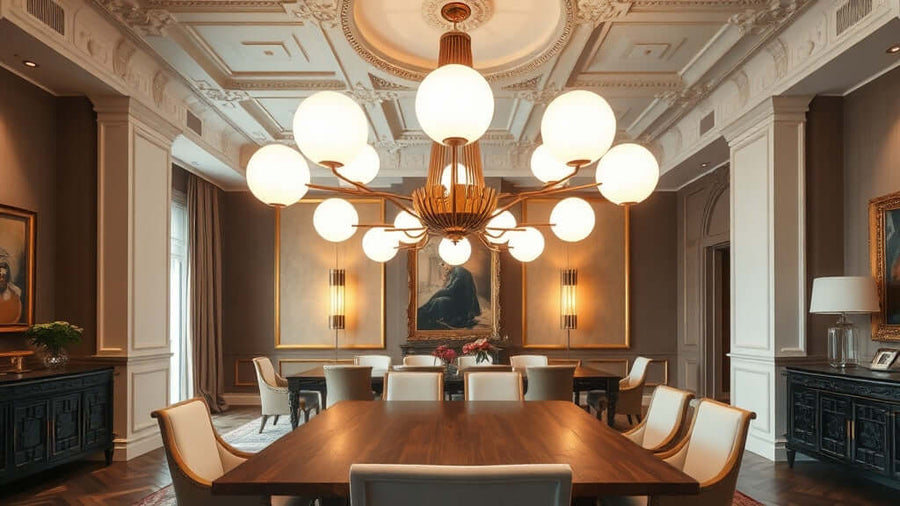
- Scale and proportion: An oversized pendant demands careful calculation relative to ceiling height and room dimensions. A general rule: pendant diameter should be one-quarter to one-third of the table or island width it illuminates
- Drop height: Specification typically ranges from 750mm to 1200mm below ceiling level, depending on head clearance and sightline impact
- Lumen output: Statement fixtures often prioritise form over brightness. Specify supplementary ambient or task lighting to meet IES/CIBSE requirements
- Beam angle and colour temperature: Narrow-beam designs focus light downward; warmer CCTs (2700K–3000K) enhance material texture in retail and hospitality contexts
- Installation infrastructure: Confirm junction box capacity, weight distribution, and whether your specification requires pendant-to-canopy ratios that suit listed interiors
Trend Direction: Restrained Maximalism
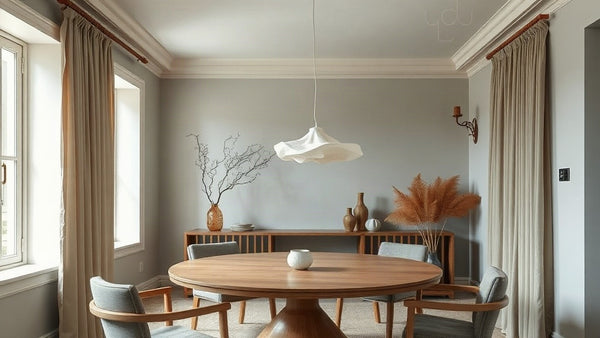
This year's statement pendant light aesthetic favours geometric purity over ornamentation. Architects are specifying fixtures with clean lines—sculpted ceramic, anodised aluminium, or glass forms—that echo mid-century and Scandinavian design principles. These designs photograph well, endure trend cycles, and complement both period properties and contemporary builds.
The lighter interior palettes demanded by summer 2026 favour brass and natural wood accents paired with white or soft-grey pendant bodies. This approach maximises daylight interaction and prevents visual heaviness in rooms with large fenestration.
Commercial vs. Residential Application
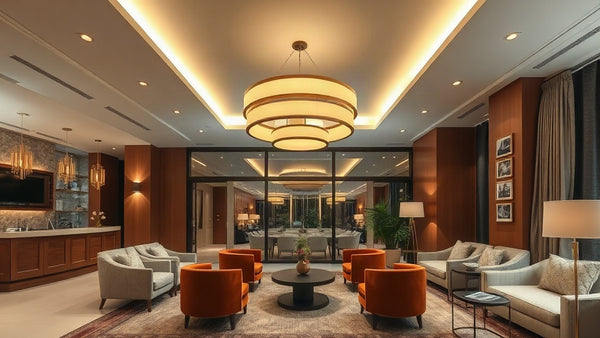
In hospitality and retail contexts, an oversized pendant creates memorable brand moments—particularly in entrance lobbies, bar zones, and reception areas. Residential applications benefit from statement ceiling lights in kitchens, dining areas, and master bedrooms, where they anchor furniture groupings and define functional zones.
The key distinction: commercial projects often tolerate larger visual statements and deeper drops; residential specifications demand greater restraint and integration with existing ceiling architecture.
Sourcing and Lead Times
Contemporary designer lighting at accessible price points is now standard practice. Sourcing statement pendant lights from established retailers eliminates bespoke lead times while maintaining design integrity. Verify lumen data, IP ratings, and dimming compatibility before specification—particularly for commercial applications requiring building regulation compliance.
The statement pendant light trend shows no signs of diminishing. For architects prioritising deliberate, durable design, specifying a sculptural ceiling fixture remains the most effective way to elevate spatial narrative and client satisfaction.
Explore the look through statement pendant light options and related pieces in our Ceiling Light Fixtures collection.
Why this style works
The right light does more than illuminate a room. It sets the rhythm of the space, gives furniture a visual anchor, and helps a decorative scheme feel intentional rather than assembled. For readers arriving from search, this section connects the design idea to practical product selection.
- Creates a clear focal point
- Adds warmth and texture
- Works across contemporary and vintage-inspired rooms
How to choose the right piece
Start with scale, then material, then light temperature. A pendant or wall light should feel proportionate to the room and the furniture below it. Natural materials tend to soften modern interiors, while darker finishes can make a more graphic statement.
- Check ceiling height and furniture dimensions
- Choose a finish that repeats elsewhere in the room
- Use warm bulbs for living and dining spaces
Where to use it
This look is especially effective in dining rooms, bedrooms, hallways and boutique hospitality spaces where atmosphere matters. It can also work in renovations where a single lighting change needs to make the room feel more finished.
- Dining tables and kitchen islands
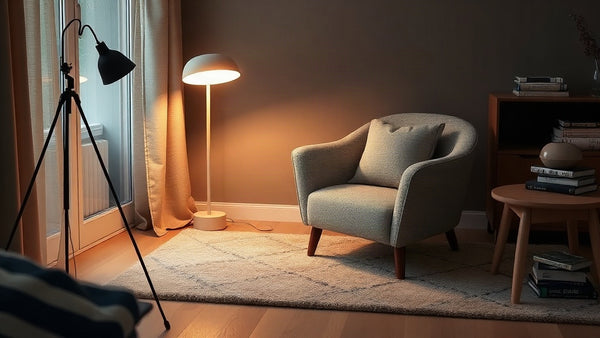
- Bedrooms and reading corners
- Hallways, restaurants and boutique hotels
Shop the Look
For the most relevant products, start with the article's featured piece and the matching collection. Product price, availability and images should be pulled live from Shopify when the template renders.
View the featured statement pendant light or browse the full related collection.
Featured in this guide
View collectionWhy this style works
Frequently asked questions
Nauradika Trade