As lighting design continues to evolve, the bedside wall lamp has emerged as a critical specification for contemporary residential and commercial projects. Recent trend analysis confirms what discerning architects have long recognised: integrated wall-mounted bedside lighting is reshaping how we approach bedroom functionality and aesthetic coherence.
Why Bedside Wall Lamps Matter in 2026
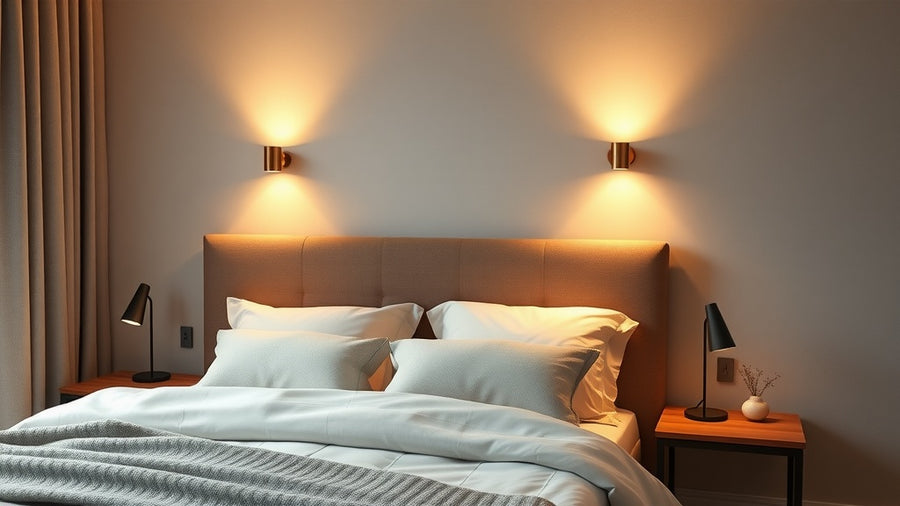
The shift towards minimalist, space-conscious interiors has repositioned the bedside wall lamp from optional accessory to essential specification. Unlike traditional table lamps, wall-mounted solutions eliminate clutter, maximise usable surface area, and deliver superior spatial efficiency—particularly valuable in compact urban residential schemes and boutique hospitality projects.
Architects increasingly specify bedside wall lamps for their design flexibility and technical advantages: adjustable throw angles, integrated dimming capability, and the ability to coordinate finishes with broader interior palettes. This trend aligns directly with 2026's emphasis on functional design that doesn't compromise aesthetics.
Scandinavian Bedside Lamp Principles
Scandinavian design philosophy continues to dominate commercial and residential briefs. The Scandinavian bedside lamp exemplifies this approach: clean lines, natural material integration, and restraint in ornamentation. When specifying wall-mounted reading lights, consider these hallmarks:
- Minimal visual footprint with maximum functional output
- Natural timber or powder-coated metal construction
- Warm colour temperature (2700K–3000K) for circadian-responsive design
- Flexible arm configurations allowing task-specific positioning
Reading Wall Light Specifications
A reading wall light must satisfy precise technical parameters. Minimum illumination of 500 lux at task plane is standard; however, contemporary practice increasingly favours dimmer-compatible specifications allowing users to adjust intensity from 100–500 lux. This flexibility enhances user control whilst reducing unnecessary energy consumption—a key consideration for LEED and BREEAM-certified projects.
Colour rendering index (CRI) should not fall below 90 for residential applications. LED technology has made this standard achievable across accessible price points, eliminating the need to compromise on quality.
Material and Finish Considerations
Summer 2026 trends favour lighter interiors with restrained, nature-inspired palettes. Specify bedside wall lamps in:
- Natural oak or ash veneer with matte black metalwork
- Soft white powder-coated steel with brass accents
- Brushed stainless steel with warm linen shades
These combinations complement contemporary bedroom schemes whilst maintaining the visual coherence increasingly demanded by residential clients.
Practical Installation Parameters
Wall mounting height significantly impacts functionality. Position reading wall lights at 120–150cm from finished floor level, angled 20–30° downward from horizontal. This geometry ensures even task illumination without glare or shadowing across the pillow plane.
Coordinate outlet locations during electrical schematic design; specify hardwired connections rather than plug-in solutions for a refined aesthetic and improved flexibility in future adaptations.
Specification Takeaway
The bedside wall lamp represents an intersection of design integrity, functional performance, and spatial efficiency. For architects balancing aesthetic ambition with practical constraint, Scandinavian-influenced reading wall lights offer proven solutions that satisfy both brief and budget parameters. Specifying appropriately ensures client satisfaction and reinforces design intent in the most intimate of spaces.
Explore the look through bedside wall lamp options and related pieces in our Wall Light Fixtures collection.
Why this style works
The right light does more than illuminate a room. It sets the rhythm of the space, gives furniture a visual anchor, and helps a decorative scheme feel intentional rather than assembled. For readers arriving from search, this section connects the design idea to practical product selection.
- Creates a clear focal point
- Adds warmth and texture
- Works across contemporary and vintage-inspired rooms
How to choose the right piece
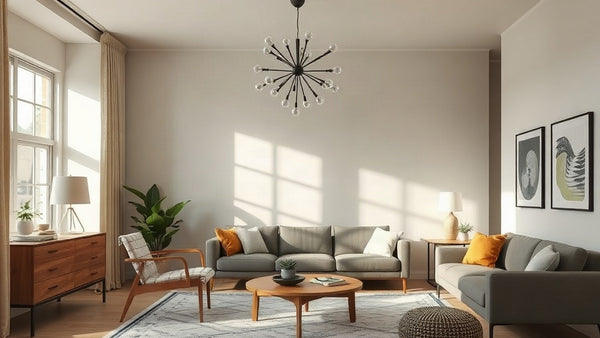
Start with scale, then material, then light temperature. A pendant or wall light should feel proportionate to the room and the furniture below it. Natural materials tend to soften modern interiors, while darker finishes can make a more graphic statement.
- Check ceiling height and furniture dimensions
- Choose a finish that repeats elsewhere in the room
- Use warm bulbs for living and dining spaces
Where to use it
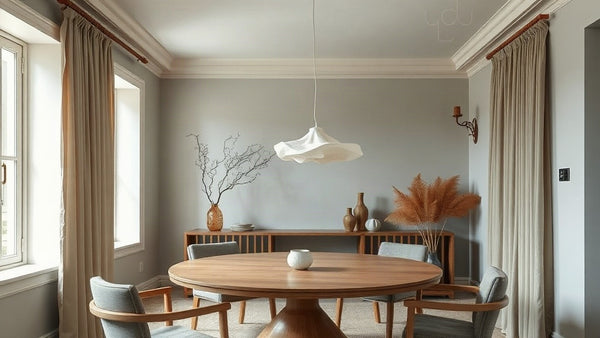
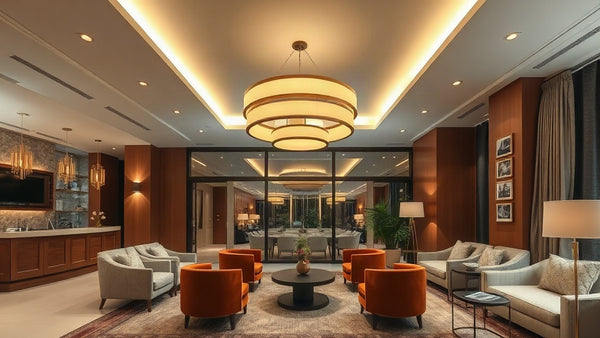
This look is especially effective in dining rooms, bedrooms, hallways and boutique hospitality spaces where atmosphere matters. It can also work in renovations where a single lighting change needs to make the room feel more finished.
- Dining tables and kitchen islands
- Bedrooms and reading corners
- Hallways, restaurants and boutique hotels
Shop the Look
For the most relevant products, start with the article's featured piece and the matching collection. Product price, availability and images should be pulled live from Shopify when the template renders.
View the featured bedside wall lamp or browse the full related collection.
Featured in this guide
View collectionWhy this style works
Frequently asked questions
Nauradika Trade