The Japanese Pendant Light Moment
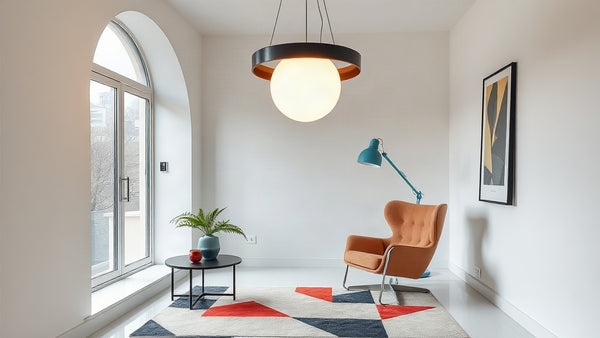
If you're renovating or refreshing your home décor, Japanese pendant lights deserve a place on your mood board. These understated luminaries have quietly become one of 2026's defining lighting trends, offering homeowners a refreshing alternative to overstated fixtures. Whether you're drawn to minimalism, natural materials, or simply want to create calm, welcoming spaces, a Japanese pendant light can transform how your home feels and functions.
The beauty of this aesthetic lies in its restraint. Japanese design philosophy prioritises balance, simplicity, and the celebration of natural imperfections—principles that translate beautifully into lighting design.
Why Japanese Pendant Lights Work Now
As we move through summer and into the lighter months, many homeowners are rethinking their interiors. Japanese pendant lights align perfectly with 2026's broader shift towards mindful living and sustainable design. They're not trend-led; they're timeless.
- Natural materials: Rice paper lamps, wood frames, and ceramic elements bring warmth and texture
- Soft illumination: Diffused light creates ambiance without harshness, ideal for dining areas and lounges
- Versatility: Works seamlessly with Scandinavian, mid-century modern, and contemporary interiors
- Space-saving: Pendant fixtures work brilliantly in smaller homes and open-plan layouts
The Wabi Sabi and Zen Appeal
At the heart of Japanese design is wabi sabi—an appreciation for imperfection, impermanence, and incompleteness. A wabi sabi pendant light celebrates irregular glazing, natural wood grain, and handmade qualities that mass-produced fixtures simply can't replicate.
Similarly, zen ceiling lamps embrace emptiness and negative space. Unlike ornate Victorian or baroque fixtures, they allow your room to breathe. This restraint makes your walls, artwork, and furnishings the true stars of your space.
Rice Paper Lamps: The Classic Choice
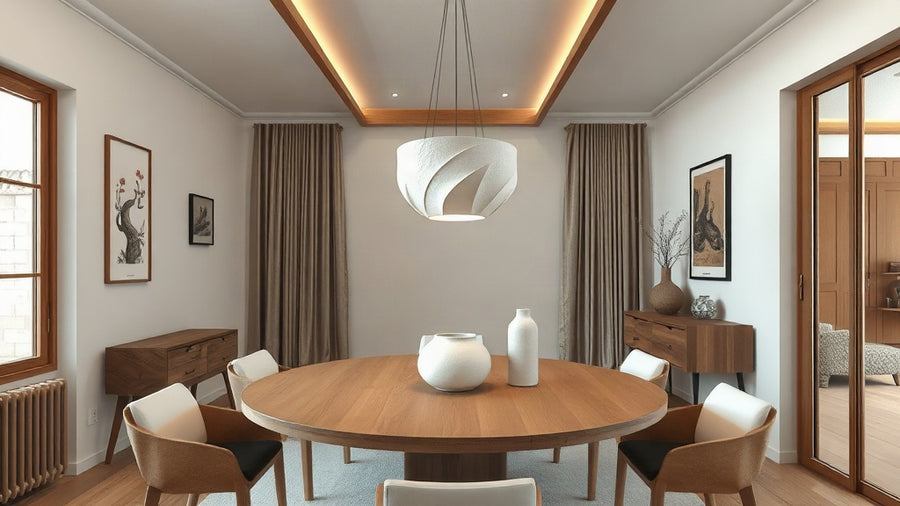
Rice paper lamps remain the quintessential Japanese pendant light. Their soft, creamy glow creates an almost ethereal quality, perfect for bedrooms, hallways, or intimate dining spaces. The translucency of quality rice paper means light diffuses evenly, eliminating harsh shadows.
When choosing a rice paper lamp, look for genuine materials over plastic alternatives. The warmth and subtle variations in natural rice paper are worth the investment.
Styling Your Japanese Pendant Light
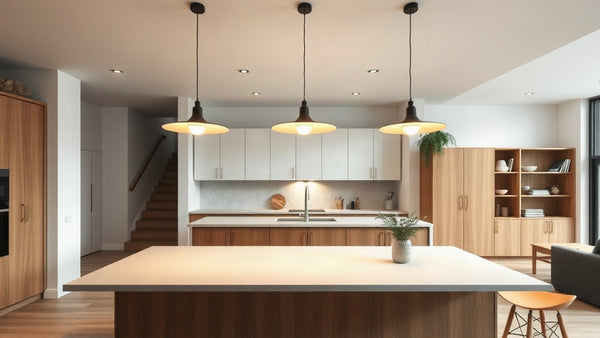
Placement matters. A single Japanese pendant light works beautifully above a kitchen island or in a bedroom corner. For larger spaces, consider clustering two or three at varying heights for visual interest without clutter.
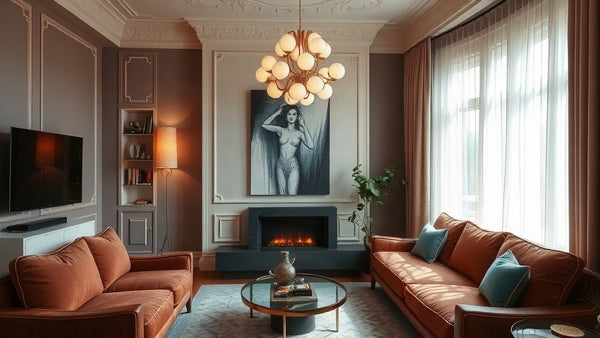
Pair your fixture with natural wood furniture, stone surfaces, and neutral palettes to amplify the zen effect. Alternatively, let a striking Japanese pendant light provide contrast in a more colourful, eclectic room—the simplicity of the fixture will ground the overall aesthetic.
Investing in Quality
Japanese pendant lights may cost more than mass-market alternatives, but they're investments in longevity and beauty. A well-chosen fixture will outlast fleeting trends and enhance your home's value and livability for years to come.
Explore our curated collection of Japanese pendant lights and discover how this timeless aesthetic can bring calm, intention, and understated elegance to your home today.
Explore the look through japanese pendant light options and related pieces in our Japanese Light Fixtures collection.
Why this style works
The right light does more than illuminate a room. It sets the rhythm of the space, gives furniture a visual anchor, and helps a decorative scheme feel intentional rather than assembled. For readers arriving from search, this section connects the design idea to practical product selection.
- Creates a clear focal point
- Adds warmth and texture
- Works across contemporary and vintage-inspired rooms
How to choose the right piece
Start with scale, then material, then light temperature. A pendant or wall light should feel proportionate to the room and the furniture below it. Natural materials tend to soften modern interiors, while darker finishes can make a more graphic statement.
- Check ceiling height and furniture dimensions
- Choose a finish that repeats elsewhere in the room
- Use warm bulbs for living and dining spaces
Where to use it
This look is especially effective in dining rooms, bedrooms, hallways and boutique hospitality spaces where atmosphere matters. It can also work in renovations where a single lighting change needs to make the room feel more finished.
- Dining tables and kitchen islands
- Bedrooms and reading corners
- Hallways, restaurants and boutique hotels
Shop the Look
For the most relevant products, start with the article's featured piece and the matching collection. Product price, availability and images should be pulled live from Shopify when the template renders.
View the featured japanese pendant light or browse the full related collection.
Featured in this guide
View collectionWhy this style works
Frequently asked questions
Nauradika Trade