Lighting for Architects in 2026: Design Direction and Practical Application
Architectural lighting design has evolved significantly this year, with emerging trends reflecting both aesthetic refinement and practical performance requirements. For architects specifying lighting across residential and commercial projects, understanding current design direction—particularly the influence of Scandinavian minimalism and mid-century modernist principles—remains essential to delivering spaces that balance form, function and client expectations.
The 2026 Architectural Lighting Landscape
Contemporary lighting for architects increasingly prioritises integrated, understated solutions. Gone are the days of statement fixtures dominating interiors; instead, specification lighting now favours cohesive systems that enhance architectural intent rather than compete with it. Summer 2026 sees particular momentum toward lighter, airier interiors—a response to evolving workspace standards and residential design preferences for spacious, well-lit environments.
Trade lighting suppliers are responding with curated ranges combining Scandinavian design principles with modern performance standards. The convergence reflects what specifiers have long understood: exceptional design needn't carry premium pricing when sourced intelligently.
Key Specification Considerations
- Colour temperature consistency: Neutral white (4000K) and warm white (2700K) remain industry standards, but specification must account for layered lighting strategies across task, ambient and accent zones
- Material authenticity: Brass, oak and tinted glass continue dominating architectural selections—materials with genuine patina potential rather than synthetic finishes
- Dimming integration: Smart dimming capabilities are now baseline expectations for residential projects; commercial applications demand DALI or 0-10V compatibility
- Energy compliance: Specifying LED throughout remains non-negotiable; efficiency ratings and lumen maintenance curves require careful documentation
Trade Lighting and Budget-Conscious Specification
Mid-range specification lighting represents the most pragmatic approach for architects navigating budget constraints without compromising design integrity. Retro and mid-century modern aesthetics—which have proven genuinely durable stylistically—offer accessible alternatives to bespoke luxury ranges whilst maintaining distinct character.
When selecting from trade lighting catalogues, prioritise manufacturers offering transparent technical data. Photometric reports, beam angles, colour rendering indices and driver compatibility specifications should be readily available. This information proves invaluable during the inevitable client review phase and protects against installation complications.
Lighter Interiors: Summer Specification Strategy
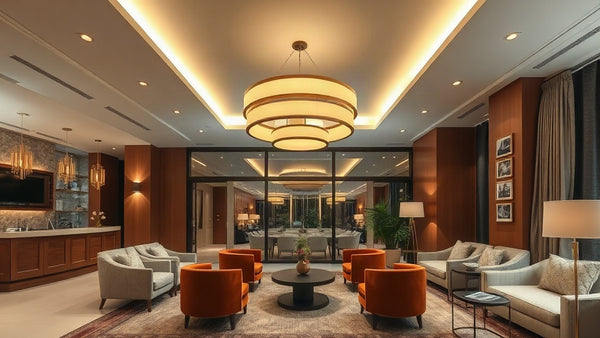
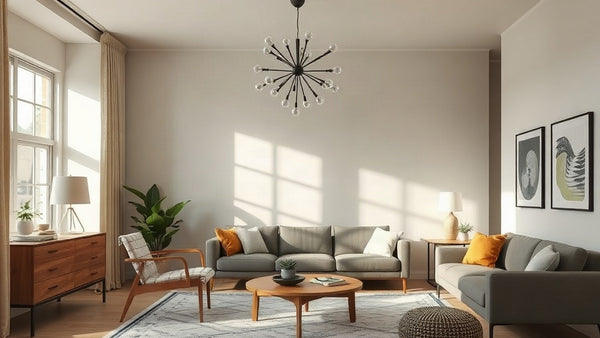
Contemporary architectural practice increasingly embraces lighter, more open interior volumes. This trend directly impacts lighting specification: multiple smaller sources often outperform single focal fixtures in delivering even illumination across larger floor plates. Pendant cluster arrangements and distributed wall-mounted solutions align with this spatial philosophy.
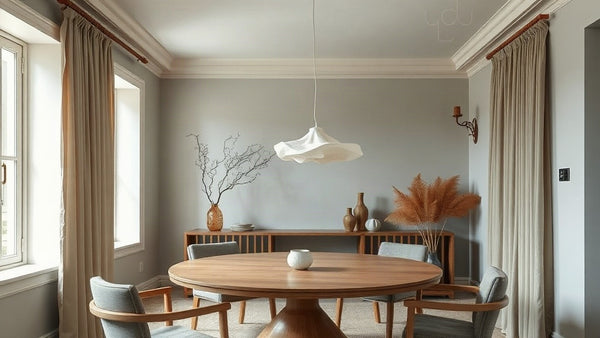
Translucent and opal diffusers—common in Scandinavian design traditions—remain optimal for summer-facing spaces, reducing glare whilst maintaining visual comfort in naturally bright environments.
Making the Right Choices
Effective lighting for architects requires balancing aesthetic vision, technical performance and practical budget reality. Specification lighting needn't represent a compromise between these elements when sourced from suppliers genuinely understanding architectural requirements. Invest time in evaluating photometric data, material quality and manufacturer support—the specifications you submit now directly influence site performance eighteen months forward.
Explore the look through lighting for architects options and related pieces in our Modern Lighting collection.
Why this style works
The right light does more than illuminate a room. It sets the rhythm of the space, gives furniture a visual anchor, and helps a decorative scheme feel intentional rather than assembled. For readers arriving from search, this section connects the design idea to practical product selection.
- Creates a clear focal point
- Adds warmth and texture
- Works across contemporary and vintage-inspired rooms
How to choose the right piece
Start with scale, then material, then light temperature. A pendant or wall light should feel proportionate to the room and the furniture below it. Natural materials tend to soften modern interiors, while darker finishes can make a more graphic statement.
- Check ceiling height and furniture dimensions
- Choose a finish that repeats elsewhere in the room
- Use warm bulbs for living and dining spaces
Where to use it
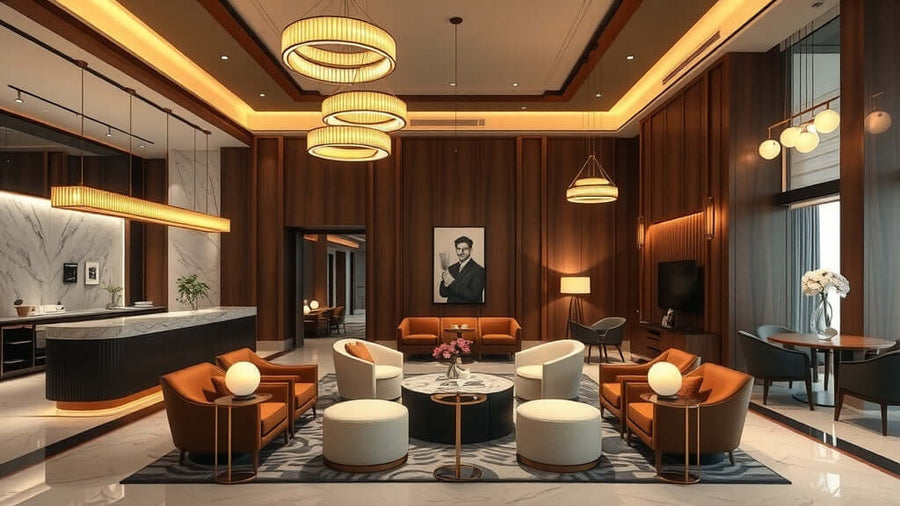
This look is especially effective in dining rooms, bedrooms, hallways and boutique hospitality spaces where atmosphere matters. It can also work in renovations where a single lighting change needs to make the room feel more finished.
- Dining tables and kitchen islands
- Bedrooms and reading corners
- Hallways, restaurants and boutique hotels
Shop the Look
For the most relevant products, start with the article's featured piece and the matching collection. Product price, availability and images should be pulled live from Shopify when the template renders.
View the featured lighting for architects or browse the full related collection.
Featured in this guide
View collectionWhy this style works
Frequently asked questions
Nauradika Trade