Travertine Wall Lamp Specification Guide for Architects
When specifying lighting for contemporary residential or commercial interiors, the travertine wall lamp has emerged as a refined choice that bridges materiality and function. Unlike conventional wall sconces, a travertine wall lamp brings tactile warmth to minimalist schemes while delivering practical task lighting. This guide outlines the technical and aesthetic considerations architects should evaluate when selecting these pieces.
Material Specification: Understanding Travertine as a Lighting Component
Travertine, a sedimentary limestone formed from mineral-rich hot springs, offers distinct advantages in lighting design. The stone's natural porosity creates subtle light diffusion when integrated with LED sources, softening glare while maintaining directional illumination. When specifying a travertine wall lamp, confirm the stone density and finish—honed surfaces diffuse light more generously than polished variants, which can create reflective spots.
The Lighting Trends 2026 report identified natural stone fixtures as a key trajectory in modern interior design, particularly in hospitality and residential applications where clients seek sensory richness beyond visual aesthetics. A travertine wall lamp satisfies this demand by introducing geological character to contemporary spaces.
Thermal properties matter. Travertine maintains cool-touch characteristics even with LED heat output, making it suitable for bedside applications and touch-sensitive zones. Specify suppliers who conduct thermal testing; poorly mounted stone can conduct unnecessary heat into wall cavities.
Technical Specifications for Architects
Electrical and Lighting Performance
- LED colour temperature: Specify 2700K–3000K for residential applications; 3000K–4000K for retail or gallery contexts where a travertine wall lamp benefits from slightly crisper rendering of the stone's natural striations.
- Lumen output: A single travertine wall lamp typically delivers 200–400 lumens depending on stone thickness and diffusion. For task lighting in home offices, combine multiple units or specify supplementary ambient sources.
- Dimming compatibility: Ensure specified units support phase-cut dimming (standard 0–10V systems) for client flexibility. Travertine's light-diffusing properties benefit from dimming capability, allowing occupants to adjust intensity seasonally.
- Power consumption: LED travertine wall lamps typically draw 4–8W, making them compliant with modern energy codes without requiring step-down transformers.
- CRI (Colour Rendering Index): Specify ≥90 CRI to ensure the stone's warm ochre and cream tones remain faithful under illumination.
Installation and Structural Considerations
A travertine wall lamp weighs 2–4kg depending on size and stone density. Confirm wall substrate compatibility before specifying—plasterboard requires substantial backing plates and cavity reinforcement. Masonry and timber substrates perform reliably. For commercial fit-outs, specify installation during the final M&E phase to avoid damage to finished surfaces.
Electrical rough-ins should terminate at least 150mm from the intended mounting point to allow installer flexibility. Confirm junction box depth with the lamp manufacturer; recessed travertine wall lamp designs require deeper cavities than surface-mounted alternatives.
Design Integration: Summer and Year-Round Application
During summer months, when interiors trend toward lighter palettes and reduced visual weight, a travertine wall lamp offers seasonal relevance. The stone's pale, warm tone aligns with linen, brass, and natural wood—dominant summer interior preferences. Unlike heavier marble wall light options, travertine reads as less imposing while maintaining material authenticity.
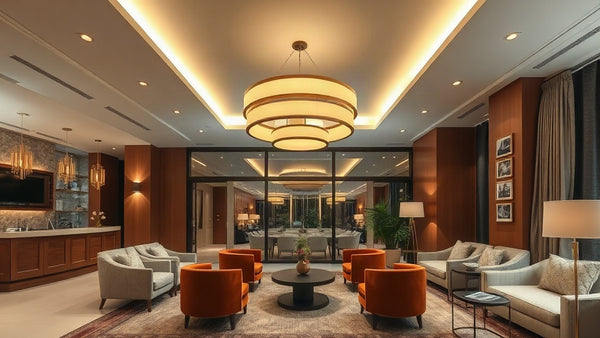
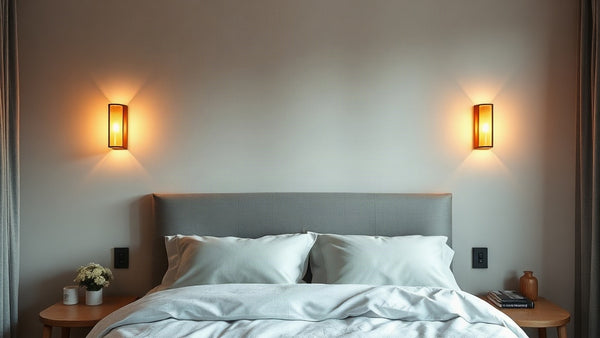
Position travertine wall lamps in layered lighting schemes. They perform well as task sources flanking bathroom mirrors (pair units symmetrically) or as accent lighting along bedroom headwalls. In commercial settings—boutique hotels, high-end residential lobbies—a travertine wall lamp creates a tactile moment that differentiates the space from standardised hospitality lighting.
Sourcing Specifications and Quality Control
Specify units with manufacturer certifications for electrical safety (CE marking for EU projects, BS/IEC standards for UK applications). Confirm the source stone origin—Turkish, Italian, and Iranian travertine each exhibit distinct colour variation and veining. Document this in specifications if a particular aesthetic is critical to the design intent.
Request samples for site review. Travertine's natural variation means batch matching is essential for projects requiring multiple units. Coordinate with suppliers during tender stage to establish sample approval protocols.
Nauradika's natural travertine stone wall lamp exemplifies current production standards: integrated LED, dimmable circuitry, and certified mounting hardware. Units of this specification reduce site risk and accelerate commissioning timelines.
Aesthetic Specification Language
When drafting specification documents, distinguish between a travertine wall lamp and generic "stone wall light" terminology. Specify:
- Material: Natural travertine, honed finish, origin [country], colour range: cream to warm ochre
- Form: Geometric (cube, rectangular, organic) — clarity prevents substitution
- Electrical: Dimmable LED, specify wattage, colour temperature, and control system compatibility
- Mounting: Surface-mounted or recessed; specify orientation (uplight, downlight, bilateral)
This prevents value-engineered substitutions and ensures the specified travertine wall lamp reaches site as designed.
Maintenance and Longevity Considerations
Travertine is hygroscopic—it absorbs moisture. In wet environments (bathrooms, spas), specify sealed variants or surfaces treated with stone sealer. Maintenance specs should prohibit acidic cleaners; specify only pH-neutral stone cleaners. LED modules require no maintenance beyond occasional dusting of the exterior stone surface.
Specify warranty terms covering stone defects (cracks, fissures) and electrical components separately. Reputable manufacturers typically offer 5-year electrical warranties and longer stone durability guarantees.
Budget and Specification Flexibility
Travertine wall lamp pricing varies considerably based on stone thickness, LED quality, and design complexity. For architects managing budget constraints, explore complete wall light fixture collections to identify variants at different price points without compromising design intent.
For projects specifying multiple units across residential or hospitality portfolios, the Nauradika trade discount programme provides meaningful cost optimisation while maintaining specification control.
Specification Checklist for Travertine Wall Lamp Projects
- Confirm wall substrate capacity and structural reinforcement requirements
- Specify LED colour temperature and dimming compatibility aligned with design layer
- Request stone samples for site approval and batch matching
- Establish finish specification (honed, polished, sealed) and maintenance protocols
- Verify electrical certifications and warranty terms before specification sign-off
- Coordinate with M&E consultants to finalise rough-in locations and junction box depths
- Document supplier contact and technical support availability for site commissioning
The travertine wall lamp represents a mature lighting category that merges contemporary material trends with functional necessity. When specified with precision—material authenticity, electrical performance, and installation detail—it delivers both aesthetic coherence and reliable durable performance across residential and commercial applications.
Nauradika Trade