Natural Stone in Contemporary Lighting Design
As we move into autumn 2026, architectural practices are increasingly specifying natural stone fixtures as a counterpoint to digital excess. The travertine wall lamp represents a deliberate shift towards tactile, material-led design—one that resonates with both residential wellness trends and commercial biophilic principles.
Travertine's porous surface and warm ochre palette offer genuine thermal comfort in specification. Unlike painted or lacquered finishes, stone lighting ages authentically, developing patina that documents its context over time. For projects targeting extended occupancy periods, this longevity becomes a commercial asset.
Specification Considerations for Stone Wall Lighting
Material Performance
Travertine wall lamps require careful moisture management. Specify fixtures with sealed electrical housings and IP-rated components if positioning near bathrooms or exterior-adjacent walls. The stone itself should be sealed with appropriate penetrating sealants to resist daily handling marks—particularly critical in commercial hospitality settings.
Light Output and Placement
Natural stone diffuses rather than reflects light. A travertine wall lamp typically delivers 200–400 lumens depending on cavity depth and internal reflector finish. Position fixtures 1800–2100mm from floor level for task-ambient balance in corridors, bedrooms, or reception areas. For accent lighting in feature walls, lower placement (1200–1500mm) emphasises textural depth.
Electrical Integration
- Specify low-voltage or 230V depending on project infrastructure
- Request dimmer-compatible drivers for residential applications
- Confirm lead-time for bespoke stone mounting plates if using non-standard wall construction
- Coordinate with structural engineer if suspending fixtures from plasterboard without solid backing
Design Trends: Stone Lighting in 2026
This season's architectural conversation centres on material authenticity. Marble wall lights and travertine fixtures sit comfortably within schemes emphasising slow design, natural finishes, and reduced visual noise. The stone wall lamp trend extends beyond Scandinavian minimalism into maximalist spaces, where a single sculptural travertine fixture grounds a complex material palette.
Colour temperature matters: specify 2700K for residential warmth, 3000K for commercial neutrality. Stone's inherent warmth often justifies cooler kelvin values than conventional advice suggests, preventing visual heaviness in smaller rooms.
Specifying for Different Project Types
Residential
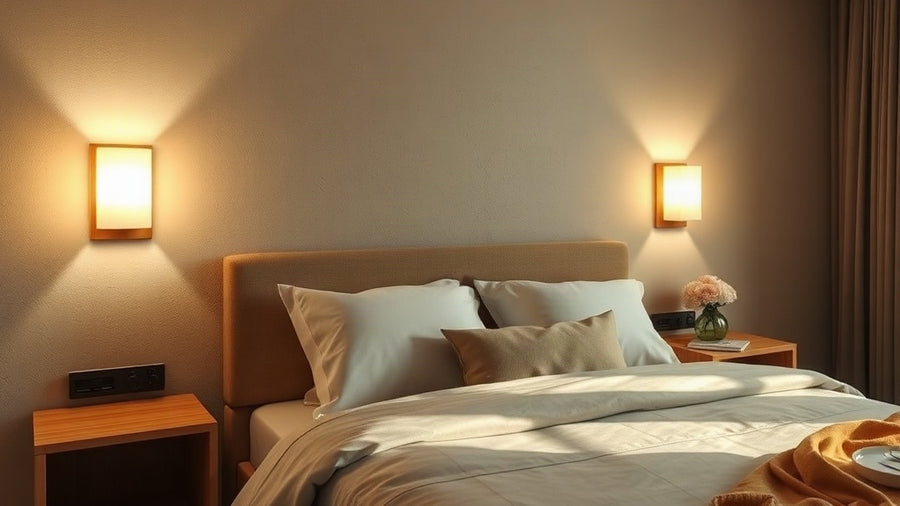
Bedside applications favour compact travertine wall lamps with integrated shelving or ledges. Specify touch-dimmable variants to eliminate visible switch infrastructure on feature walls.
Commercial Hospitality
Larger marble wall lights work effectively in corridors and suites. Coordinate finish consistency across 20+ units; request sample approval with final batch specification.
Offices and Workspaces
Subtle stone fixtures provide visual relief from screen-heavy environments. Task positioning above secondary work surfaces avoids glare reflection on monitors.
Sourcing and Lead Times
Natural stone fixtures typically require 8–12 weeks from order. Confirm quarry origin and batch consistency early in specification phase. Request digital colour-matched samples for client approval before committing to installation quantities.
The travertine wall lamp represents specification that ages intentionally—a material choice that justifies longer lead times and slightly elevated costs through durability and authentic aesthetic presence.
Explore the look through travertine wall lamp options and related pieces in our Wall Light Fixtures collection.
Why this style works
The right light does more than illuminate a room. It sets the rhythm of the space, gives furniture a visual anchor, and helps a decorative scheme feel intentional rather than assembled. For readers arriving from search, this section connects the design idea to practical product selection.
- Creates a clear focal point
- Adds warmth and texture
- Works across contemporary and vintage-inspired rooms
How to choose the right piece
Start with scale, then material, then light temperature. A pendant or wall light should feel proportionate to the room and the furniture below it. Natural materials tend to soften modern interiors, while darker finishes can make a more graphic statement.
- Check ceiling height and furniture dimensions
- Choose a finish that repeats elsewhere in the room
- Use warm bulbs for living and dining spaces
Where to use it
This look is especially effective in dining rooms, bedrooms, hallways and boutique hospitality spaces where atmosphere matters. It can also work in renovations where a single lighting change needs to make the room feel more finished.
- Dining tables and kitchen islands
- Bedrooms and reading corners
- Hallways, restaurants and boutique hotels
Shop the Look
For the most relevant products, start with the article's featured piece and the matching collection. Product price, availability and images should be pulled live from Shopify when the template renders.
View the featured travertine wall lamp or browse the full related collection.
Featured in this guide
View collectionWhy this style works
Frequently asked questions
Nauradika Trade