Wall Sconces: Essential Specification Guide for Architects
Wall sconces remain fundamental to layered lighting design, particularly as architects increasingly prioritise lighter, more flexible interiors for summer-ready residential and commercial spaces. Unlike pendant fixtures, sconces provide directional ambient light without visual clutter—a critical consideration for contemporary design briefs where ceiling real estate is premium.
Mid-Century Modern Wall Sconces: Specification Considerations
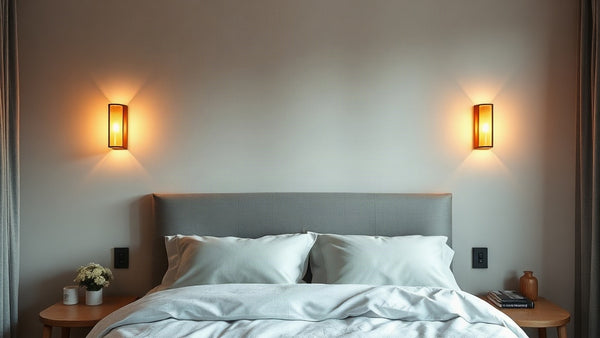
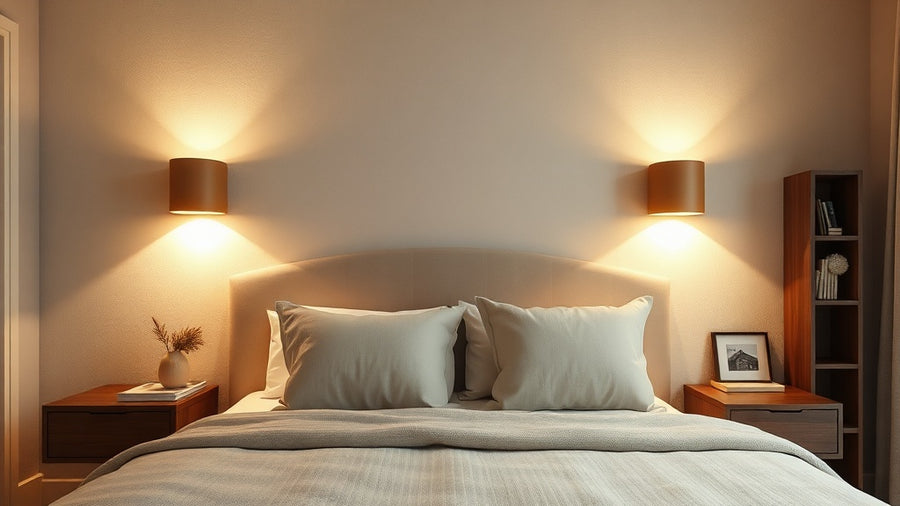
Mid-century modern wall sconces deliver both functional and aesthetic value. The movement's emphasis on clean lines and honest materials—typically brass, teak, and opal glass—ensures these fixtures integrate seamlessly across design periods. For residential projects, specify 40–60W equivalent LED equivalents to maintain the warm 2700K colour temperature characteristic of this genre without thermal issues. Commercial installations benefit from dimmable variants, allowing flexible zoning within open-plan environments.
Key Technical Parameters
- Mounting height: 1500–1700mm above finished floor for reading zones; 1900–2100mm for general ambient
- Beam angle: 120–140° for diffuse coverage; tighter angles (60–90°) for accent applications
- CRI: Minimum 90 for residential; 80+ acceptable for commercial circulation
- IP rating: IP20 for interior dry locations; IP54 for wet environments (bathrooms, covered external)
- Electrical load: Confirm compatibility with existing circuits; LED variants typically 8–15W actual draw
Scandinavian Wall Lamp Design: Material & Form
Scandinavian wall lamp design philosophy emphasises material authenticity and proportional restraint. Unlike ornamental Victorian or maximalist approaches, Scandinavian fixtures prioritise functional geometry—rotating joints, adjustable arms, and modular shades. This functionality becomes particularly valuable in residential schemes where flexibility accommodates evolving spatial use or commercial environments requiring adaptive task lighting.
Specification priorities should include:
- Natural material finishes (oiled walnut, powder-coated steel) that age gracefully and minimise maintenance
- Modular construction allowing replacement of consumables (gaskets, reflectors) without full unit replacement
- Certification to EN 60598-1 (European safety standard) and compatibility with local building control requirements
Summer Interior Lighting Trends
Current design discourse—notably amplified across architecture and interior design Instagram communities—emphasises lighter colour palettes and maximised natural light integration. Wall sconces support this direction by enabling strategic supplementary lighting that doesn't compete with daylight. Specify warm-white LEDs (2700K) positioned to create gentle ambient pools rather than task-focused beams, allowing spaces to transition naturally from daylight to evening use.
Procurement & Sustainability
Specify wall sconces from retailers offering detailed photometric data, BS/EN certification, and transparent material sourcing. Mid-century and Scandinavian designs typically utilise recyclable metals and glass, aligning with contemporary sustainability briefs. Lead times remain critical—confirm 4–6 week stock positions before finalising installation schedules.
Wall sconces remain a specification staple because they deliver on three fronts: performance, aesthetic coherence, and spatial flexibility. Careful selection ensures lighting that performs across use patterns whilst maintaining architectural integrity.
Explore the look through wall sconces options and related pieces in our Wall Light Fixtures collection.
Why this style works
The right light does more than illuminate a room. It sets the rhythm of the space, gives furniture a visual anchor, and helps a decorative scheme feel intentional rather than assembled. For readers arriving from search, this section connects the design idea to practical product selection.
- Creates a clear focal point
- Adds warmth and texture
- Works across contemporary and vintage-inspired rooms
How to choose the right piece
Start with scale, then material, then light temperature. A pendant or wall light should feel proportionate to the room and the furniture below it. Natural materials tend to soften modern interiors, while darker finishes can make a more graphic statement.
- Check ceiling height and furniture dimensions
- Choose a finish that repeats elsewhere in the room
- Use warm bulbs for living and dining spaces
Where to use it
This look is especially effective in dining rooms, bedrooms, hallways and boutique hospitality spaces where atmosphere matters. It can also work in renovations where a single lighting change needs to make the room feel more finished.
- Dining tables and kitchen islands
- Bedrooms and reading corners
- Hallways, restaurants and boutique hotels
Shop the Look
For the most relevant products, start with the article's featured piece and the matching collection. Product price, availability and images should be pulled live from Shopify when the template renders.
View the featured wall sconces or browse the full related collection.
Featured in this guide
View collectionWhy this style works
Frequently asked questions
Nauradika Trade