Overview
Mindfulness is a powerful practice that helps individuals find peace amidst life's distractions. By being fully present, mindfulness enhances mental well-being, improves relationships, reduces stress, and boosts productivity. Simple practices like meditation, mindful eating, and creating calm spaces can seamlessly integrate into daily life, leading to transformative lifestyle changes. Embracing mindfulness can positively impact both personal and professional aspects, encouraging a more balanced, fulfilling existence. Start small and be patient as you embark on this rewarding journey.
Table of Contents
- Understanding Mindfulness
- The Science Behind Mindfulness
- The Impact of Mindfulness on Daily Life
- Enhanced Mental Clarity
- Better Relationships
- Stress Reduction
- Mindfulness Practices to Explore
- Meditation
- Mindful Eating
- Walking Meditation
- How Mindfulness Affects Your Work Life
- Improved Focus and Productivity
- Emotional Intelligence
- Mindfulness in Everyday Situations
- Mindful Commuting
- Mindfulness in Parenting
- Creating Mindful Spaces
- Designing Calm Spaces
- Personal Sanctuary
- Embracing the Mindfulness Journey
- Start Small
- Connect with Others
- Keep a Mindfulness Journal
- A Journey Worth Taking
Key Takeaways
- Mindfulness enhances mental well-being by reducing stress, anxiety, and depression through present-moment awareness.
- Improved mental clarity leads to better concentration and decision-making, especially beneficial in professional settings.
- Mindful interactions foster better relationships by promoting active listening, empathy, and effective communication.
- Practices like meditation and mindful eating can be easily incorporated into daily life to enhance mindfulness.
- Mindfulness boosts productivity at work by allowing for mental refreshment and improved focus on tasks.
- Creating mindful spaces at home, such as a personal sanctuary, can enhance relaxation and reflection.
- Starting small and being consistent in your mindfulness practice can lead to significant lifestyle transformations over time.
Frequently Asked Questions
1. What is mindfulness?
2. How does mindfulness benefit mental health?
3. What are some mindfulness practices I can incorporate into my routine?
4. How does mindfulness affect relationships?
5. Can mindfulness be integrated into work life?
In our fast-paced world, where we are constantly bombarded with information and distractions, finding a moment of peace can seem like an elusive dream. Mindfulness offers a way to reclaim our sense of self, enhancing not just our mental well-being but also affecting various aspects of our lifestyle. By integrating mindfulness into our daily routine, we can create a more balanced, fulfilling existence. So how can mindfulness transform your lifestyle? Let’s explore the myriad benefits and practices that can make a significant difference.
Understanding Mindfulness
Mindfulness is the practice of being fully present and engaged in the moment, without judgment. This can involve paying attention to your thoughts, feelings, bodily sensations, and the surrounding environment. When you embrace mindfulness, you cultivate awareness, which opens the door to a transformed lifestyle. But how exactly does this work?
The Science Behind Mindfulness
Numerous studies have shown the psychological benefits of mindfulness practices. Research indicates that mindfulness can reduce stress, anxiety, and depression. By focusing on the present, individuals can break the patterns of negative thinking that often plague their minds. This shift in perspective can lead to a more positive outlook on life, fostering resilience and emotional stability.
The Impact of Mindfulness on Daily Life
Incorporating mindfulness into your daily routine can lead to transformative changes in various aspects of your life. Here are some areas where mindfulness can make a significant impact:
Enhanced Mental Clarity
Mindfulness helps to clear the mental fog that often obstructs our thinking. By prioritising presence, you can improve your concentration and decision-making skills. This is particularly beneficial in professional settings, where mental clarity can lead to improved productivity and creativity.
Better Relationships
Being mindful in your interactions empowers you to listen actively, communicate effectively, and demonstrate empathy. When you are fully present with friends, family, and colleagues, the quality of your relationships improves drastically. Mindfulness allows you to respond rather than react, thus fostering deeper connections.
Stress Reduction
One of the primary benefits of mindfulness is its ability to reduce stress levels. By practising mindfulness techniques, such as meditation or deep breathing, you can trigger the relaxation response in your body. As you become aware of stress triggers, you’ll learn how to cope better, reducing the overall impact stress has on your life.
Mindfulness Practices to Explore
Integrating mindfulness into your lifestyle doesn't have to be daunting. Here are several accessible practices that can help you cultivate mindfulness:
Meditation
Meditation is one of the most well-known mindfulness practices. You can start by dedicating just a few minutes each day to sit quietly and focus on your breath. As thoughts wander, gently guide your attention back to your breath. Over time, you’ll find that you can meditate for longer periods and develop a deeper sense of calm.
Mindful Eating
Transforming your relationship with food through mindful eating can lead to healthier, more intentional choices. Pay attention to the taste, texture, and aroma of your food. Slow down and savour each bite. This practice not only enhances the eating experience but also promotes healthier eating habits.
Walking Meditation
If sitting in silence feels challenging, walking meditation is a wonderful alternative. While strolling, focus your attention on the sensation of your feet touching the ground. Notice your surroundings—the sights, sounds, and smells. This practice allows you to connect outside while still fostering mindfulness.
How Mindfulness Affects Your Work Life
Incorporating mindfulness into your work life can lead to a host of benefits. Whether you are a designer, a business owner, or any professional, mindfulness can reshape your work environment and process.
Improved Focus and Productivity
As a trade lighting supplier for designers, attention to detail is paramount. Mindfulness can enhance your ability to concentrate on your tasks and projects. By implementing intervals of mindfulness throughout your workday, you allow your mind to refresh and refocus, ultimately boosting productivity.
Emotional Intelligence
Mindfulness encourages self-awareness, which is a cornerstone of emotional intelligence. Understanding your emotions and their impact on your work relationships can help create a collaborative and positive work environment. As you learn to manage your reactions, you set a precedent for your colleagues to follow.
Mindfulness in Everyday Situations
Mindfulness isn’t restricted to formal practices; it can seamlessly integrate into daily life, transforming mundane moments into opportunities for awareness:
Mindful Commuting
Commutes can be stressful. Rather than succumbing to impatience, practice mindfulness while driving or riding public transport. Focus on your breath and observe your surroundings. You may discover a newfound appreciation for simple moments during your commute.
Mindfulness in Parenting
For parents, practising mindfulness can profoundly affect interactions with children. By slowing down and being present during playtime, you can foster deeper connections. Mindfulness can also help you respond to your child's needs more empathetically, creating a more loving environment.
Creating Mindful Spaces
Your environment greatly affects your state of mind. Creating spaces conducive to mindfulness can enhance your practice:
Designing Calm Spaces
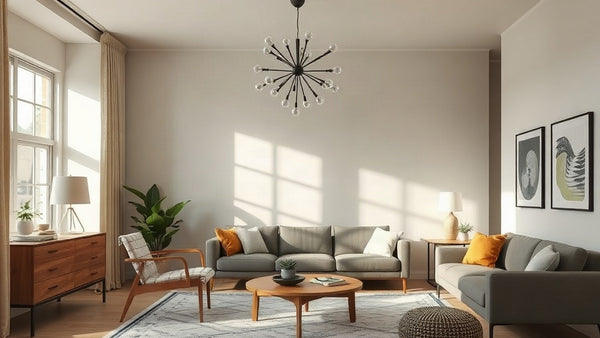
In contemporary lighting design, the way you illuminate spaces can influence mood. Soft lighting can foster a calming atmosphere perfect for mindfulness practices. Consider using diffused light to create serene settings that inspire relaxation and reflection. Not only does this enhance your home, but it also promotes a lifestyle focused on well-being.
Personal Sanctuary
Dedicate a small area in your home as a mindful sanctuary. Fill it with items that evoke calm, such as candles, relaxing scents, or comfortable seating. This space should invite you to pause, reflect, and practice mindfulness whenever you enter.
Embracing the Mindfulness Journey
Beginning your mindfulness journey isn’t about perfecting the practice—it’s about integrating it into your life in a way that feels authentic. Each step counts, no matter how small. Remember to be patient with yourself as you embark on this transformative quest.
Start Small
Begin with just a few moments of mindfulness each day. Gradually increase the time as you become more comfortable. This practice can lead to significant transformations over weeks and months. Consistency is key: make it a habit that eventually feels natural.
Connect with Others
Find a community or group focused on mindfulness. Sharing experiences can provide motivation, encouragement, and a sense of belonging. Whether it's through online forums or local meet-ups, connect with others who value mindfulness.
Keep a Mindfulness Journal
Documenting your thoughts, experiences, and progress can offer insights into your mindfulness journey. Reflect on your feelings and any shifts you've noticed in your lifestyle. Journaling can act as a mirror, allowing you to see how far you’ve come.
A Journey Worth Taking
The path of mindfulness is rich and rewarding, offering a plethora of benefits that extend beyond just our mental health. By embracing this practice, you can transform the way you interact with the world, enhance your relationships, improve your professional life, and create spaces that uplift your spirit. The lifestyle changes you make today can profoundly impact your tomorrow. Dive into mindfulness and uncover the endless possibilities it brings to your unique journey.
Glossary
| Term | Meaning |
|---|---|
| Mindfulness | The practice of being fully present and engaged in the moment. |
| Meditation | A technique for focusing the mind, often involving breath awareness. |
| Mindful Eating | Paying attention to the experience of eating to promote healthier choices. |
| Walking Meditation | A form of meditation that involves mindful walking and sensory awareness. |
| Emotional Intelligence | The ability to understand and manage your emotions and those of others. |
| Stress Reduction | Practices that lower stress levels and promote relaxation. |
| Mindful Commuting | Practicing mindfulness during travel to reduce stress and enhance awareness. |
| Personal Sanctuary | A dedicated space for mindfulness practices and reflection. |
| Mindfulness Journal | A tool for documenting thoughts and progress in mindfulness practice. |
Linked Product

Modern Minimalist Pendant Lamp – Elegant Bedside & Dining Room Lighting
The Modern Minimalist Pendant Lamp offers a stylish blend of contemporary design and retro elements, making it suitable for various settings such as bedrooms, dining areas, and hotels. Available in two sizes, it provides flexibility to fit different spaces while its energy-efficient LED light source allows for customizable illumination options. The unique cream white and red color combination adds warmth and character, enhancing the overall ambiance of any room.
View ProductNauradika Trade