Rechargeable Wall Lights: Redefining Flexible Interior Lighting
The emergence of high-performance rechargeable wall lights marks a significant shift in how architects approach residential and commercial lighting design. Unlike traditional hardwired solutions, these wireless wall lights offer installation flexibility without compromising on design integrity or light output.
For projects where cable routing poses constraints—listed buildings, heritage interiors, or post-completion modifications—rechargeable wall lights provide a technically sound alternative. The latest generation delivers lux ratings comparable to mains-powered equivalents, with colour temperature stability across charge cycles.
Technical Specifications Worth Evaluating
Battery Performance and Runtime
- Lithium-ion cells typically provide 15–40 hours of continuous operation per charge
- USB-C charging reduces downtime; fast-charge models reach full capacity in 2–3 hours
- Battery degradation rates stabilise at 80% capacity after 500+ cycles
- Temperature stability ensures consistent colour temperature (±100K variance acceptable)
Light Output and Dimming
Modern rechargeable wall lights now achieve 300–800 lumens, suitable for accent, task, and ambient applications. Crucially, PWM (pulse-width modulation) dimming maintains colour fidelity at reduced brightness levels—a specification often overlooked in budget alternatives.
Wireless Integration
Battery wall lights increasingly incorporate smart home protocols: Zigbee, Z-Wave, or proprietary 2.4GHz systems. For architects specifying multi-zone lighting control, ensure compatibility with the project's chosen ecosystem. Latency should be <100ms for perceived instantaneous response.
Practical Design Considerations
Installation and Maintenance Access
Rechargeable wall lights eliminate the need for in-wall wiring, reducing structural intervention. However, plan charging locations strategically—typically within 5 metres of power. For commercial applications, establish a maintenance schedule: monthly condition checks, quarterly charging cycles.
Aesthetic and Contextual Fit
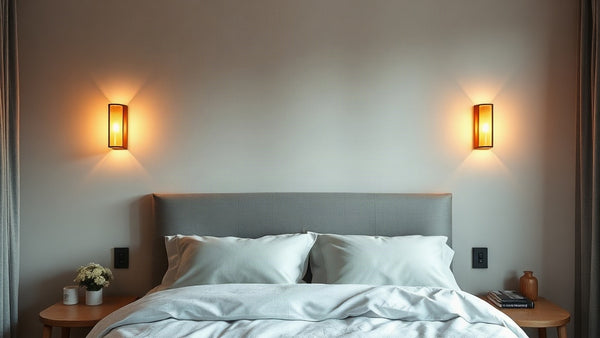
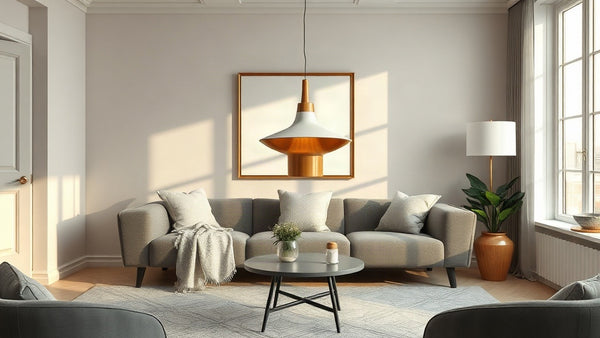
Scandinavian and mid-century modern aesthetics translate effectively into wireless formats. The absence of visible flex or conduit often enhances minimalist interiors. Specify finish consistency across multiple units to avoid visual fragmentation.
Commercial vs. Residential Specifications
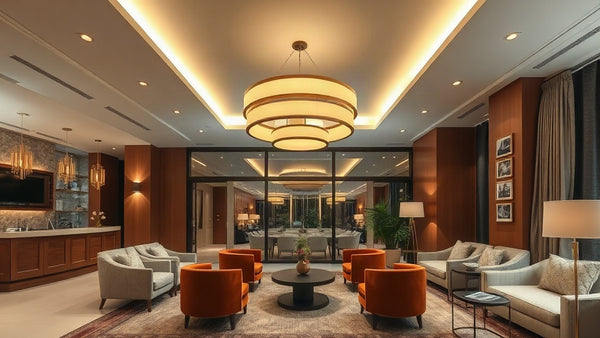
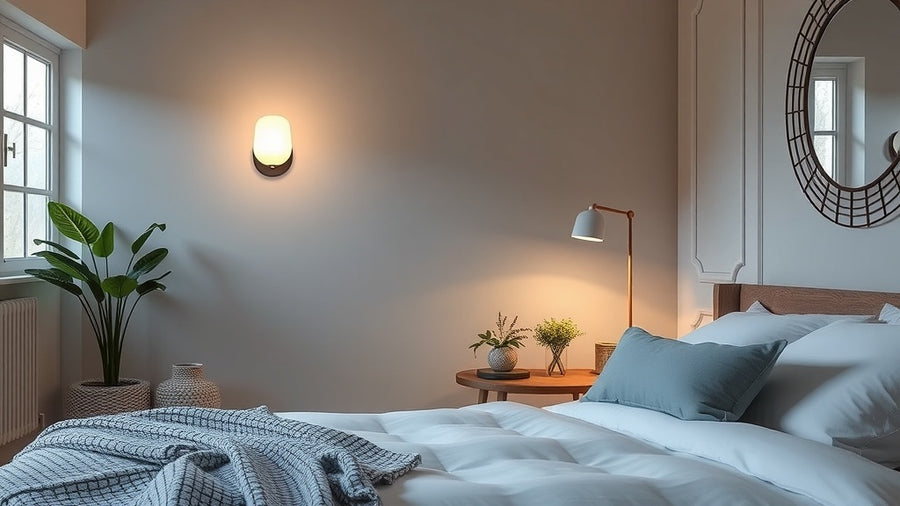
In hospitality or office environments, rechargeable wall lights suit accent lighting, reading nooks, and feature walls. Avoid primary task lighting roles unless backup power systems are integrated. Residential applications—bedside lighting, gallery walls, workspace supplementation—prove more straightforward from a liability perspective.
Why Architects Are Adopting This Approach
- Retrofit viability: No rewiring required; minimal surface damage
- Design flexibility: Repositioning without replanning electrical schematic
- Cost efficiency: Reduced installation labour; no licensed electrician required for placement
- Sustainability: Lower embodied energy than full circuit upgrades
Specification Checklist
When evaluating rechargeable wall lights for your project, document: lux output at 1 metre, colour rendering index (minimum 90 CRI), charge cycle rating, wireless protocol, dimming curve, and warranty terms. Request photometric data sheets; manufacturer claims often overstate effective brightness in real-world conditions.
For summer-focused interior schemes emphasising lighter palettes and supplementary lighting layers, battery wall lights reduce thermal load and simplify electrical design. They represent a pragmatic evolution in how architects solve spatial lighting challenges.
Explore the look through rechargeable wall lights options and related pieces in our Rechargeable Light Fixtures collection.
Why this style works
The right light does more than illuminate a room. It sets the rhythm of the space, gives furniture a visual anchor, and helps a decorative scheme feel intentional rather than assembled. For readers arriving from search, this section connects the design idea to practical product selection.
- Creates a clear focal point
- Adds warmth and texture
- Works across contemporary and vintage-inspired rooms
How to choose the right piece
Start with scale, then material, then light temperature. A pendant or wall light should feel proportionate to the room and the furniture below it. Natural materials tend to soften modern interiors, while darker finishes can make a more graphic statement.
- Check ceiling height and furniture dimensions
- Choose a finish that repeats elsewhere in the room
- Use warm bulbs for living and dining spaces
Where to use it
This look is especially effective in dining rooms, bedrooms, hallways and boutique hospitality spaces where atmosphere matters. It can also work in renovations where a single lighting change needs to make the room feel more finished.
- Dining tables and kitchen islands
- Bedrooms and reading corners
- Hallways, restaurants and boutique hotels
Shop the Look
For the most relevant products, start with the article's featured piece and the matching collection. Product price, availability and images should be pulled live from Shopify when the template renders.
View the featured rechargeable wall lights or browse the full related collection.
Featured in this guide
View collectionWhy this style works
Frequently asked questions
Nauradika Trade