The Wabi Sabi Shift: Why Architects Are Specifying Imperfect Lighting
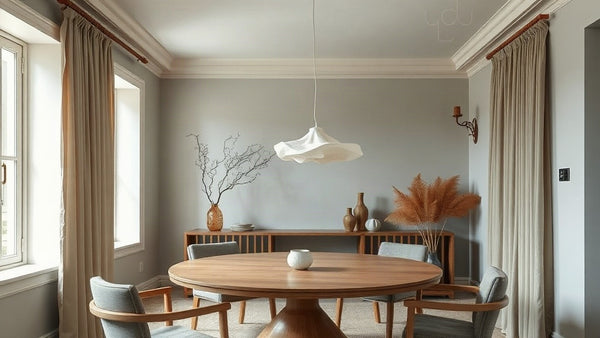
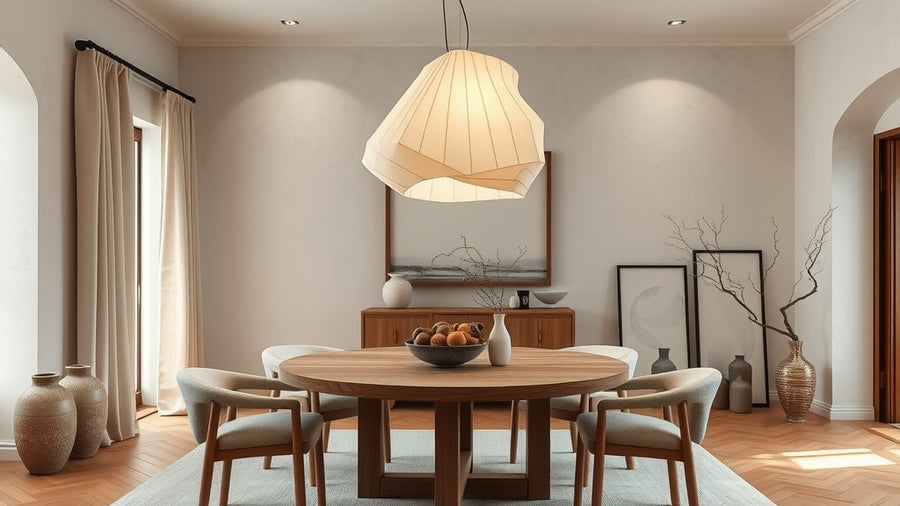
The 2026 lighting design landscape reflects a marked departure from maximalist precision. Architects across residential and commercial sectors are increasingly drawn to wabi sabi philosophy—the Japanese aesthetic celebrating impermanence, imperfection, and incompleteness. This trend, validated by recent industry reports from Zhongshan design hubs, positions the wabi sabi pendant light as a cornerstone specification for considered, humanistic interiors.
Unlike clinical modernism, wabi sabi design embraces visible wear, asymmetry, and organic materiality. For pendant lighting, this translates to undulating ceramic forms, raw wood elements, and surfaces that age visibly—creating authentic rather than artificial atmospheres.
Material Authenticity & Specification Rigour
When specifying a wabi sabi pendant light, material selection demands precision. Specify unglazed or partially glazed ceramics with intentional surface variation. Verify that finishes permit natural patination without compromising structural integrity. Travertine-textured surfaces—noted in Zhongshan 2026 forecasting—offer tactile authenticity alongside light diffusion properties suited to hospitality and residential contexts.
- Ceramic bodies: Hand-thrown or semi-artisanal finishes; ensure compliance with electrical safety standards despite aesthetic irregularity
- Metal hardware: Oxidised brass, blackened steel, or untreated copper; specify for realistic ageing characteristics
- Lumen output: Confirm adequate light delivery despite diffusion through organic materials—critical for task-lit commercial applications
- Sustainability credentials: Verify material provenance and production methods; wabi sabi aesthetics should align with ethical sourcing
Japanese Pendant Light Philosophy in Contemporary Practice
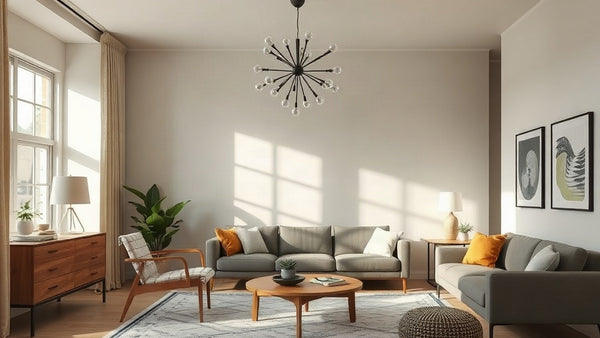
The Japanese pendant light category extends beyond wabi sabi—encompassing zen ceiling lamp principles of spatial harmony and minimal visual weight. However, the wabi sabi subset deliberately foregrounds materiality and impermanence, differentiating it from sleeker Scandinavian interpretations.
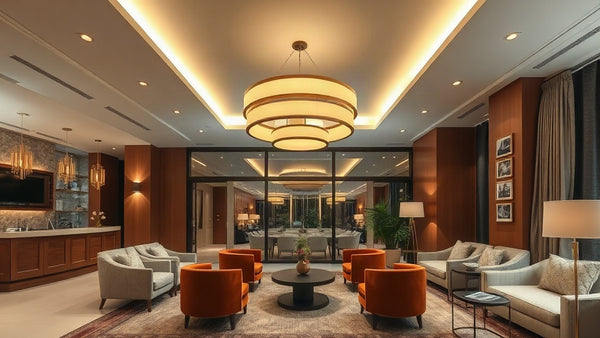
For residential schemes, wabi sabi pendant lights create intimate focal points; their irregularity disrupts corporate sterility whilst their handcrafted qualities suggest narrative and place-making. Commercial applications—particularly hospitality, wellness facilities, and design-conscious offices—leverage these lights to signal intentionality and cultural sophistication.
Lighting Performance Considerations
Architects must balance aesthetic coherence with functional requirements. Wabi sabi pendant lights often feature organic forms that complicate light distribution; specify units with adequate internal reflectivity to compensate. For open-plan residential areas, specify warm colour temperature (2700K–3000K) to complement natural light and extend summer's visual warmth into evening hours.
Ensure electrical specifications accommodate vintage-style filament bulbs if aesthetic intent demands visible light sources—increasingly favoured in contemporary wabi sabi design.
Integration & Specification Next Steps
When incorporating wabi sabi pendant lights into residential or commercial projects, request detailed material samples and photometric data sheets. Verify compatibility with existing ceiling infrastructure and confirm lead times, as artisanal production typically exceeds mass-manufacture schedules.
The 2026 trajectory indicates sustained momentum for this category. Specifying wabi sabi pendant lights communicates design literacy and responds to client demand for authentic, imperfect interiors—a directional shift validated across residential and commercial practice.
Explore the look through wabi sabi pendant light options and related pieces in our Japanese Light Fixtures collection.
Why this style works
The right light does more than illuminate a room. It sets the rhythm of the space, gives furniture a visual anchor, and helps a decorative scheme feel intentional rather than assembled. For readers arriving from search, this section connects the design idea to practical product selection.
- Creates a clear focal point
- Adds warmth and texture
- Works across contemporary and vintage-inspired rooms
How to choose the right piece
Start with scale, then material, then light temperature. A pendant or wall light should feel proportionate to the room and the furniture below it. Natural materials tend to soften modern interiors, while darker finishes can make a more graphic statement.
- Check ceiling height and furniture dimensions
- Choose a finish that repeats elsewhere in the room
- Use warm bulbs for living and dining spaces
Where to use it
This look is especially effective in dining rooms, bedrooms, hallways and boutique hospitality spaces where atmosphere matters. It can also work in renovations where a single lighting change needs to make the room feel more finished.
- Dining tables and kitchen islands
- Bedrooms and reading corners
- Hallways, restaurants and boutique hotels
Shop the Look
For the most relevant products, start with the article's featured piece and the matching collection. Product price, availability and images should be pulled live from Shopify when the template renders.
View the featured wabi sabi pendant light or browse the full related collection.
Featured in this guide
View collectionWhy this style works
Frequently asked questions
Nauradika Trade