Mastering Illumination: Material Effects on Light
|
|
Time to read 5 min
|
|
Time to read 5 min
When it comes to interior design, an often-overlooked aspect is the interplay of texture and lighting. The materials you choose for your home can dramatically influence how light is perceived and utilised in a space. Whether you are working with a cozy living room or a sleek modern office, understanding the relationship between textures, types of light, and how materials absorb or reflect illumination can enhance your interior design process. This post explores how different materials affect lighting, offering tips for optimising your environment to create the desired mood and function.
Before diving into the materials, it’s essential to grasp the nature of light itself. Light can alter perceptions, create ambience, and even influence our moods. Natural light changes throughout the day, while artificial light can provide tailored illumination based on specific needs. When considering how textures interact with lighting, keep in mind that different finishes can manipulate the way light bounces off surfaces.
Materials are generally known to either reflect or absorb light. A great way to explore this property is by looking at two contrasting materials:
Texture plays a critical role in how light is treated in a space. Different textures from various materials can create layered lighting effects. Here are some essential textures to consider:
Soft textiles provide a warm glow, especially when illuminated with soft, diffused lighting. Curtains, for instance, can soften harsh sunlight and create a calming atmosphere. Consider incorporating sheer drapes that filter light gently while allowing for privacy.
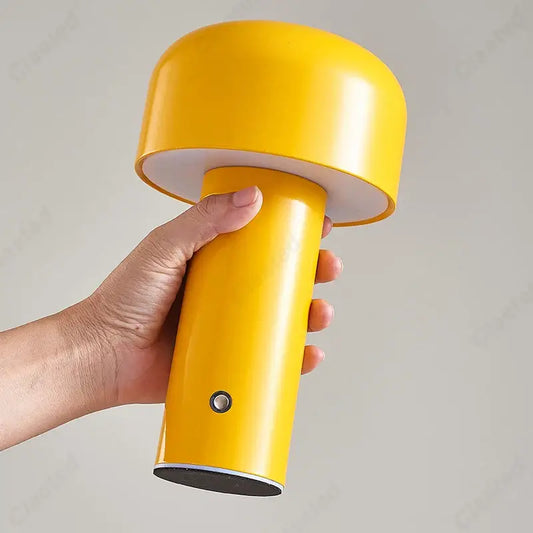
Materials like stone and unfinished wood add character and depth to spaces. When coupled with strategic lighting, these textured surfaces can create dramatic shadows that enhance interest. For example, a mushroom-shaped lamp placed near a rough stone wall can create captivating patterns and textures that change throughout the day.
Not all lighting works well with every type of material; hence, it’s crucial to consider the synergy between them. Let’s break down some of the most effective lighting options:
This type of lighting is the foundation for any well-designed space. It provides overall illumination, making it essential for visibility. Materials like white walls and light-coloured woods enhance ambient light, ensuring the whole room feels open and airy. Pairing with warm lightbulbs will create a soothing effect appealing to the eye.

For areas where specific tasks are performed—like reading or working at a desk—task lighting should be focused and practical. A well-placed mushroom-shaped lamp can illuminate a workspace effectively while providing a modern aesthetic. This style of lamp complements various materials well, adding a unique flair to practical lighting solutions.
Accent lighting is employed to highlight artwork, architectural features, or intriguing textures. This type of lighting can create a focal point within a room. Track lights or strategically placed wall sconces can be used; however, be cautious with tinted or coloured bulbs, as they can alter the perceived texture significantly.
The colour of a material also influences how it interacts with light. Light colours reflect more light, while darker tones tend to absorb. Here are ways to harmonize colour and texture:
As an interior designer, the following tips can guide you in creating a beautiful, illuminated space:
Utilise a combination of ambient, task and accent lighting to create a multi-dimensional effect. This layered approach allows different areas of a room to shine in their own right while providing flexibility for moods and activities.
Don’t shy away from mixing materials; blending finishes can lead to exciting contrasts. Pair sleek metal fixtures with natural wood surfaces or soft textiles. Experimenting helps discover unique textures and lighting characteristics.
Take into account the source of your light. LEDs, incandescent, and fluorescent lights all have different outputs and temperature readings. Warmer lights will bring out earthy textures, while cooler lights will amplify sleek designs.
Ultimately, how materials and lighting interact in your home reflects your style and personality. By understanding these dynamics, you can optimise every room to align with your vision. Consider how textures can create warmth, elegance, or modernity through skilful lighting design. A mushroom-shaped lamp could be just the accent you need to tie your theme together, serving both as a functional light source and a statement piece that highlights your attention to detail.
Whether it’s experimenting with colour, selecting the right types of lighting, or finding the perfect materials to accentuate illumination, mastering the interplay of texture and lighting is key to elevating your space. Embrace the journey, explore unique materials, and watch as your interior transforms with the right illumination strategy!