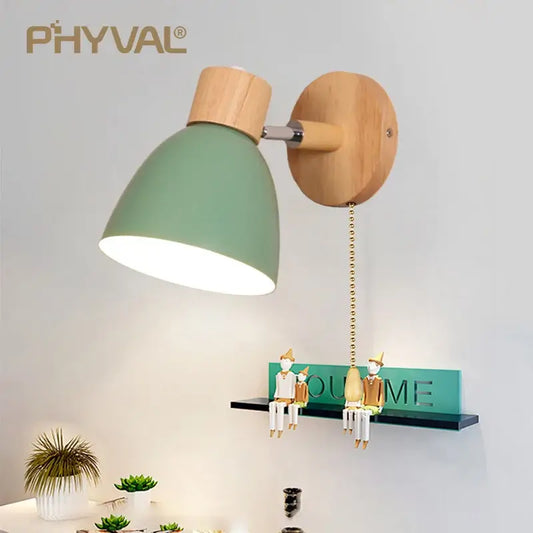
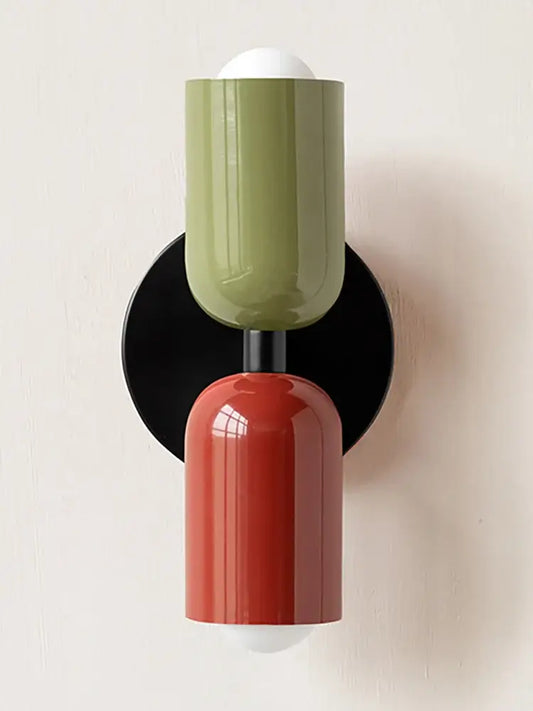
🏡 What Is Layered Lighting? A Complete Guide to Perfect Home Lighting
|
|
Time to read 3 min
|
|
Time to read 3 min
What is layered lighting, and why does it matter?
Layered lighting is a design approach that combines multiple types of lighting—ambient, task, and accent—to create a space that is both functional and visually appealing.
Instead of relying on a single overhead light, layered lighting allows you to:
Adjust brightness depending on the time of day
Highlight architectural or decorative features
Create mood and atmosphere
Improve comfort and usability in your home
👉 In this guide, you’ll learn exactly how to use layered lighting like an interior designer—and how to apply it to every room.
What Is Layered Lighting?
The 3 Types of Lighting Explained
Why Layered Lighting Is Essential
How to Layer Lighting in Any Room
Room-by-Room Lighting Guide
Common Mistakes to Avoid
FAQs
Glossary
Layered lighting = ambient + task + accent lighting combined
It improves both functionality and aesthetics
Each room should include at least 2–3 light sources
Dimmers and placement are just as important as fixtures
Scandinavian design heavily relies on layered lighting for warmth and comfort
| Lighting Type | Purpose | Examples | Best Placement |
|---|---|---|---|
| Ambient | General illumination | Ceiling lights, chandeliers | Center of room |
| Task | Focused lighting for activities | Desk lamps, reading lights | Near work areas |
| Accent | Decorative or highlighting | Wall lights, spotlights | Around features/art |
Layered lighting is the practice of combining different light sources in a room to achieve balance, depth, and flexibility.
Think of it like this:
Ambient lighting = the base layer (like a canvas)
Task lighting = functional highlights (like tools)
Accent lighting = decorative finishing touches
💡 Without layering, a room can feel flat, harsh, or impractical.
💡 With layering, the same room feels warm, dynamic, and intentional.
Ambient lighting provides overall illumination for a space.
Examples:
Ceiling-mounted fixtures
Pendant lights
Recessed lighting
Pro Tip:
Use warm white bulbs (2700K–3000K) for a cozy atmosphere.
Task lighting is designed for specific activities like reading, cooking, or working.
Examples:
Desk lamps
Bedside wall lamps
Under-cabinet kitchen lighting
Pro Tip:
Position task lighting to avoid shadows and glare.
Accent lighting adds depth and visual interest.
Examples:
Wall sconces
LED strips
Spotlights for artwork
Pro Tip:
Accent lighting should be 3x brighter than ambient light to create contrast.
A single ceiling light feels harsh. Multiple light sources create a warm, inviting environment.
You get the right light exactly where you need it.
Lighting highlights textures, colors, and furniture—making your space look professionally designed.
Use dimmers and combinations to shift from:
Bright workspace → Relaxing evening ambiance
Follow this simple formula:
Choose a central fixture (pendant or ceiling light)
Identify key activities (reading, cooking, working)
Add focused lights accordingly
Highlight:
Artwork
Shelves
Architectural features
Control intensity and mood instantly
Ambient: Ceiling light or large pendant
Task: Floor lamp near sofa
Accent: Wall sconces or shelf lighting
Ambient: Soft ceiling light
Task: Bedside lamps or wall lights
Accent: Warm LED strips behind headboard
Ambient: Ceiling or track lighting
Task: Under-cabinet lighting
Accent: Pendant lights over island
Ambient: Ceiling lighting
Task: Mirror lighting
Accent: Soft indirect lighting for spa feel
❌ Using only one light source
❌ Choosing bulbs that are too cold (blue tones)
❌ Poor placement causing shadows
❌ Ignoring dimmers
❌ Over-lighting (too bright everywhere)
To create a balanced, functional, and visually appealing space using multiple light sources.
At least 3 sources of light (ambient, task, accent).
Not necessarily. You can start with just 2–3 well-placed fixtures and build over time.
Warm (2700K–3000K) → living spaces
Neutral (3500K–4000K) → kitchens/workspaces
Ambient Lighting: General room illumination
Task Lighting: Lighting for specific activities
Accent Lighting: Decorative or highlight lighting
Color Temperature: Warmth or coolness of light (Kelvin scale)
Dimmers: Devices that adjust light intensity
👉 Add modern layered lighting to your home with:
Scandinavian wall lamps
Minimalist pendant lights
Elegant floor lamps
Explore the collection on Nauradika.com to build your perfect lighting setup.
Layered lighting is one of the most powerful yet overlooked tools in interior design.
By combining ambient, task, and accent lighting, you can:
Transform any room
Improve comfort and usability
Create a home that feels both functional and beautiful
💡 Start small: Add a wall lamp or floor light—and instantly elevate your space.
Which room in your home needs better lighting right now?
Start there—and build your layers step by step.