Bauhaus Lighting: Functional Elegance for Contemporary Interiors
As we move through 2026, the resurgence of bauhaus lighting principles reflects a broader shift toward emotionally intelligent, layered interior environments. For architects and designers specifying lighting systems, bauhaus methodology offers a rigorously tested framework: form follows function, materials express their nature, and every element serves a measurable purpose.
Unlike decorative lighting trends, bauhaus philosophy prioritises honest material expression, geometric clarity, and spatial hierarchy—qualities that translate directly into buildable, maintainable commercial and residential schemes.
Core Bauhaus Lighting Principles for Modern Specifications
Contemporary bauhaus lamp design operates within three interdependent parameters:
- Material honesty: Steel, brass, and frosted glass remain primary; finishes reflect their structural role rather than conceal it
- Geometric reduction: Clean lines, cylindrical forms, and modular proportioning enable flexible installation across varied spatial scales
- Light distribution logic: Diffusion and glare control through material and form, not electronic dimming alone
This specification approach simplifies maintenance schedules and ensures consistent performance across multi-unit residential or open-plan commercial environments.
Layered Lighting Strategy: Moving Beyond Single Fixtures
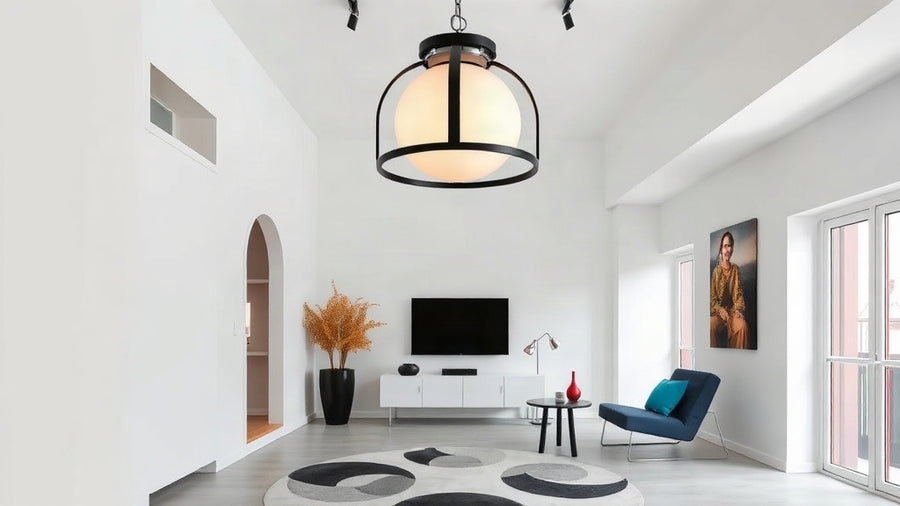
The 2026 shift toward emotionally responsive interiors demands layered illumination rather than single-source reliance. Modernist lighting—rooted in bauhaus principles—naturally supports this requirement through modular pendant and wall-mounted systems that function independently yet cohere visually.
A typical residential or office scheme might combine:
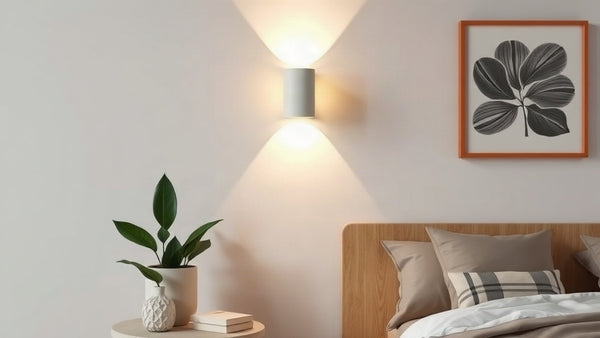
- Ambient: Wall-mounted or suspended cylindrical diffusers providing base illumination
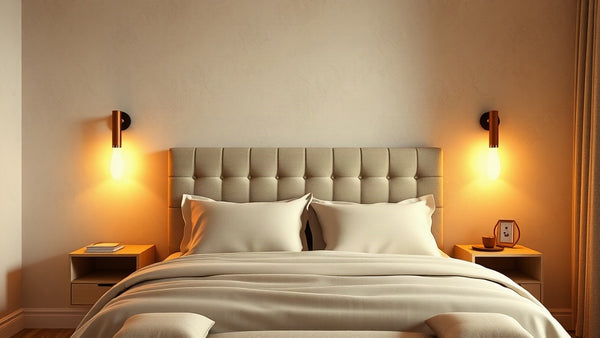
- Task: Directional, articulated arm lamps above working surfaces
- Accent: Linear or sculptural elements that define spatial zones without functional lighting load
This triadic approach reduces lux density requirements in upper zones whilst maintaining visual comfort and spatial definition—particularly valuable in open-plan commercial applications where acoustic absorption and spatial legibility matter equally to lighting metrics.
Specification Advantages: Durability and Coherence
Bauhaus lamp designs from the 1920s remain in service globally, a durability standard rarely matched by contemporary commercial fixtures. Specified correctly, modernist lighting systems:
- Perform consistently across 10,000+ hour lifespan with minimal maintenance intervention
- Accommodate LED retrofit without aesthetic or functional compromise
- Create visual continuity across multi-phase projects or building extensions
- Reduce specification complexity by operating within coherent material and geometric families
For architects managing budgets without compromising design intent, bauhaus lighting offers accessible pricing on designs with proven performance records—essential for residential portfolios and public-sector commercial work where whole-life costs are calculated.
Practical Application: Summer Light and Interior Perception
As natural light intensity increases through the year, artificial lighting strategies shift. Bauhaus principles support this through precise material selection: frosted glass and matte finishes diffuse bright summer daylight without introducing thermal load common to reflective surfaces, whilst geometric simplicity ensures fixtures remain visually restrained against high ambient light levels.
The result is interior environments that perform optically, functionally, and emotionally across seasons and times of day—the fundamental mandate of specifying bauhaus-inspired lighting systems in contemporary practice.
Explore the look through bauhaus lighting options and related pieces in our Bauhaus Inspired Light Fixtures collection.
Why this style works
The right light does more than illuminate a room. It sets the rhythm of the space, gives furniture a visual anchor, and helps a decorative scheme feel intentional rather than assembled. For readers arriving from search, this section connects the design idea to practical product selection.
- Creates a clear focal point
- Adds warmth and texture
- Works across contemporary and vintage-inspired rooms
How to choose the right piece
Start with scale, then material, then light temperature. A pendant or wall light should feel proportionate to the room and the furniture below it. Natural materials tend to soften modern interiors, while darker finishes can make a more graphic statement.
- Check ceiling height and furniture dimensions
- Choose a finish that repeats elsewhere in the room
- Use warm bulbs for living and dining spaces
Where to use it
This look is especially effective in dining rooms, bedrooms, hallways and boutique hospitality spaces where atmosphere matters. It can also work in renovations where a single lighting change needs to make the room feel more finished.
- Dining tables and kitchen islands
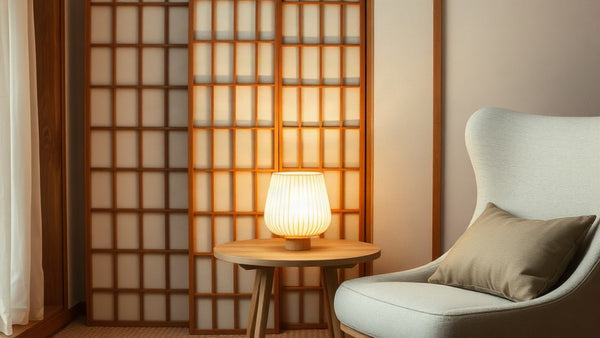
- Bedrooms and reading corners
- Hallways, restaurants and boutique hotels
Shop the Look
For the most relevant products, start with the article's featured piece and the matching collection. Product price, availability and images should be pulled live from Shopify when the template renders.
View the featured bauhaus lighting or browse the full related collection.
Featured in this guide
View collectionWhy this style works
Frequently asked questions
Nauradika Trade