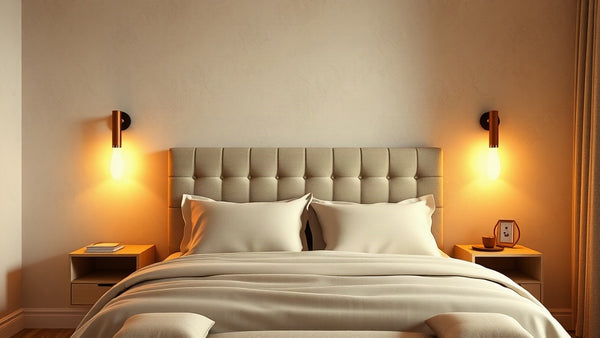
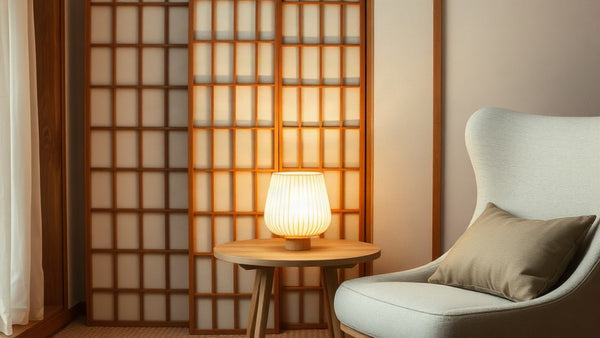
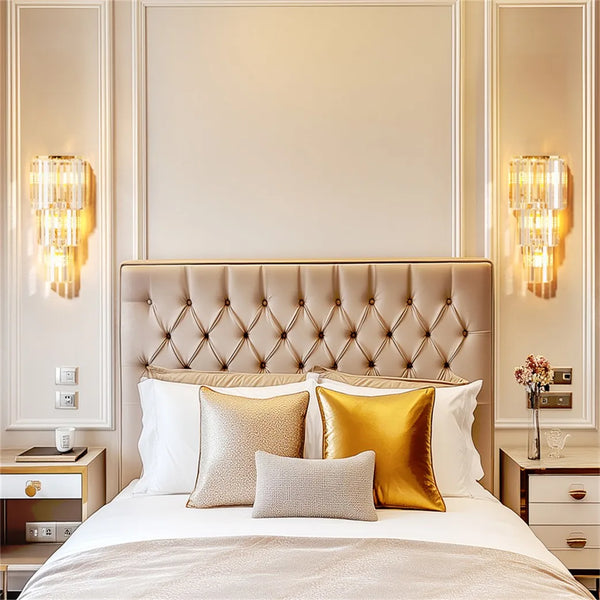
A common mistake people make when decorating their homes is overcrowding the space with too much furniture or accessories. While it may seem like more is better, in reality, it can make a space feel cluttered, chaotic, and overwhelming. In this article, we'll use the BAB (Before, After, Bridge) method to explore why it's essential to avoid overcrowding a space.
Before: Assess the Space and Needs
Before you start decorating a room, it's important to assess the space and determine what it needs. Here are some questions to ask:
- What is the purpose of the room? Is it a place to relax, work, entertain, or sleep?
- How much space is available? Take measurements of the room and determine how much furniture can fit comfortably without making the space feel cramped.
- What are the existing design elements? Consider the style of the room, the color scheme, and any architectural details that may impact your design choices.
After: Choose Furniture and Accessories Carefully
Once you have assessed the space and needs, it's time to choose furniture and accessories carefully. Here are some tips:
- Select furniture that is the right size for the room. Oversized furniture can overpower a small space, while too many small pieces can make a room feel cluttered.
- Consider the function of the furniture. If the space is for relaxation, choose comfortable seating. If it's for work, select a desk and ergonomic chair.
- Don't forget about storage. Choose furniture with built-in storage, such as a coffee table with drawers or an ottoman with a lift-up top.
- Choose accessories that complement the design of the room. Don't add too many accessories that can make the space feel cluttered.
Bridge: Create a Balanced and Inviting Space
After you have chosen furniture and accessories carefully, it's time to create a balanced and inviting space. Here are some tips:
- Arrange furniture in a way that promotes conversation and functionality. Don't block doorways or windows.
- Use rugs to define seating areas and add texture to the room.
- Leave some negative space. Negative space is the area around and between objects. It's essential to have some negative space to balance out the room.
- Don't forget about lighting. Adequate lighting can help create an inviting and balanced space.
Overcrowding a space with too much furniture or accessories can make it feel cluttered and overwhelming. By assessing the space and needs, choosing furniture and accessories carefully, and creating a balanced and inviting space, you can avoid overcrowding and make your room look and feel comfortable and welcoming. So, take your time when decorating a room and remember that sometimes, less is more.
You will find many other interior design tips in our Top 50 Best Kept Secrets Used By Interior Designers to Transform your Space.
Nauradika Trade