Hotel Lighting Specification Guide 2026: Choosing the Right Fixtures for Hospitality Projects
The conversation around hotel lighting has shifted considerably. Where once hospitality interiors relied on heavy-handed ambient schemes, contemporary hotel lighting now demands precision, flexibility, and design integrity. This specification guide cuts through the noise for architects and designers working on residential or commercial hospitality projects, offering practical parameters for selecting fixtures that perform aesthetically and functionally.
Recent industry analysis confirms what we've observed on the ground: designers are increasingly rejecting cookie-cutter solutions in favour of curated, mid-century and Scandinavian-inflected schemes that create genuine differentiation in competitive markets. The best hotel lighting ideas for 2026 centre on authentic material choices, layered illumination strategies, and fixtures that read as intentional rather than formulaic.
Understanding Layered Hotel Lighting Strategy
Professional hotel lighting design operates across three distinct layers, each serving specific functional and atmospheric purposes.
Ambient Base Layer
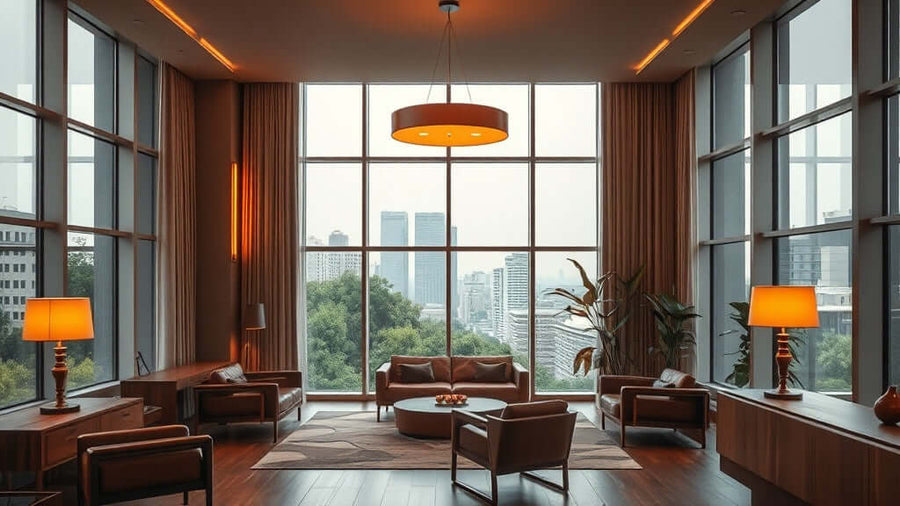
This foundational layer provides general illumination without drama. For hotel lighting schemes, ambient levels typically range from 150–300 lux depending on space type (corridors, lobbies, guest rooms). The fixture selection here matters enormously: cheap downlights create visual noise; considered choices establish tone. Mid-century modern pendants and flush-mounts deliver both sufficient brightness and visual sophistication, particularly when specified in warm colour temperatures (2700K–3000K for hospitality applications).
Task Lighting
Hotel lobbies, restaurant lighting zones, and guest room work areas require focused, glare-free illumination at 500+ lux. This layer includes desk lamps, reading lights, and directional wall-mounted fixtures. Scandinavian design principles—minimalist form, functional elegance—translate exceptionally well to task specifications where precision engineering meets aesthetic restraint.
Accent and Feature Lighting
This is where hotel lighting becomes memorable. Accent schemes highlight architectural features, artworks, or create visual hierarchy. Controlled spotlights, feature chandeliers, and architectural luminaires establish the design narrative that guests retain. This layer typically operates at 100–200 lux but commands disproportionate visual and psychological weight.
Material Selection and Durability in Hospitality Contexts
Hotel and restaurant lighting fixtures endure heavy use, cleaning cycles, and constant environmental exposure. Specification-grade fixtures in brass, brushed steel, and powder-coated aluminium outperform cheaper alternatives across 3–5 year assessment periods. Consider:
- Brass fixtures: Develop patina over time; require occasional lacquering in high-traffic hospitality environments to maintain finish consistency. Specify unlacquered brass only when aesthetic ageing is intentional.
- Stainless steel: Exceptionally durable in restaurant lighting and bathroom applications; specify 304-grade minimum for saline or humid environments.
- Powder coating: Specifying RAL numbers ensures batch consistency across multiple fixtures. Matte finishes hide fingerprints better than gloss in high-contact guest rooms.
- Glass and ceramic: Opt for acid-etched or frosted finishes in hospitality lighting—they conceal dust and fingerprints far more effectively than clear glass.
Our modern lighting collection emphasises material authenticity precisely because hospitality projects demand longevity. Specifying quality fixtures reduces replacement cycles and maintains design intent across the asset lifecycle.
Colour Temperature and Circadian Alignment
Hotel lighting strategy increasingly incorporates circadian-responsive illumination, particularly in guest rooms and spa environments. The specification parameters:
- Lobby and public areas: 3000K (warm white) creates welcoming, slightly formal atmosphere
- Restaurant lighting: 2700K–3000K enhances food presentation and guest comfort
- Guest rooms: 2700K base with optional 4000K task capability supports relaxation and functionality
- Corridors and back-of-house: 4000K improves wayfinding and staff alertness
Dimming capability across all zones is non-negotiable in contemporary hotel lighting design. Specify 0–10V dimming infrastructure rather than relying on DALI systems unless integrated building automation justifies the complexity. Guest room control should enable both ambience adjustment and full task illumination from bedside.
Fixture Specifications for Key Hospitality Zones
Guest Room Lighting
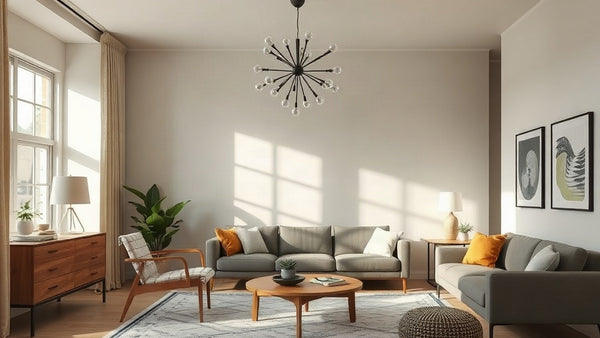
Bedside task lighting remains frequently overlooked in cost-driven specifications. Rather than wall-mounted reading lights that create glare, consider articulating wall lamps or restrained table lamps that deliver 200–300 lux to bed surface. Feature ceiling fixtures in guest rooms should be dimmer-compatible and deliver visual interest without theatrical excess—a single statement pendant or modest chandelier at 2.1–2.4 metres above floor finish proves more successful than multiple recessed downlights.
Lobby and Public Circulation
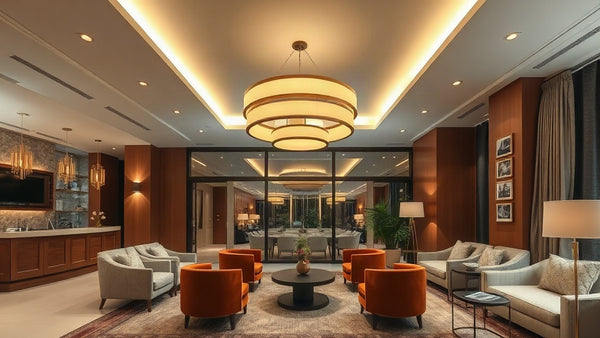
Hotel lighting in public areas establishes immediate brand perception. Vertical surfaces require illumination (walls, art, architectural detail) at equivalent or greater intensity than horizontal planes. Feature chandeliers, suspended luminaires, and wall sconces create visual rhythm. Specify 300–500 lux on lobby surfaces, ensuring minimal shadows from columns or structural elements. Summer-appropriate lighter interiors benefit from mid-tone brass or brushed steel finishes that don't create harsh reflections in high-daylight exposure periods.
Restaurant Lighting Strategy
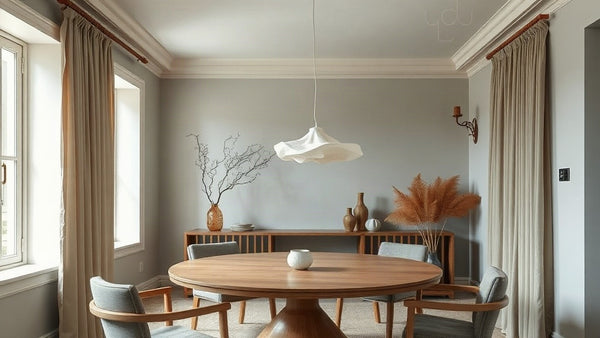
Restaurant lighting operates under unique constraints. Table surfaces require 200–300 lux but must avoid glare on diners' faces. Pendant fixtures suspended 750–900mm above table height prove optimal. Accent lighting on architectural elements or feature walls should operate at 150–200 lux to create visual interest without competing with dining experience. Warm colour temperatures (2700K) enhance food and wine presentation. Consider specifying dimmable circuits for restaurant lighting to accommodate different service periods and atmospheric adjustments.
LED Specifications and Control Strategy
All contemporary hotel lighting specifications must assume LED technology. Specify colour rendering index (CRI) minimum 90 across all front-of-house fixtures—lower ratings create unnatural guest appearance and food presentation issues. For hospitality lighting in feature or accent applications, CRI 95+ justifies cost premium.
LED efficacy specifications (lumens per watt) vary significantly. Hospitality fixtures typically achieve 80–120 lm/W depending on design constraints. Integrated LED solutions (non-replaceable modules) often deliver superior photometric performance but require longer lead times for specification. Ensure firmware updates and spare part availability across project lifecycle—five-year technical support minimum for integrated LED fixtures.
Budget Positioning and Professional Sourcing
Mid-century modern and Scandinavian design fixtures deliver superior performance-to-cost ratios compared to bespoke custom alternatives. A thoughtfully specified collection of 8–12 fixture types typically addresses all hospitality lighting requirements while maintaining design coherence. Designers working on larger projects should explore Nauradika trade discount programme, which provides substantial cost reduction on specification volumes without compromising quality or lead time.
Practical Specification Checklist
Before finalizing hotel lighting selections, verify:
- Dimming compatibility across all ambient and task fixtures
- CRI and colour temperature consistency within each zone
- IP rating suitability for moisture-exposed areas (bathrooms, pools, exterior)
- Maintenance access and component replaceability
- Structural load calculations for suspended or wall-mounted fixtures
- Integration with building management systems or standalone control protocols
- Lead times aligned with project programme (mid-century and Scandinavian pieces often require 8–12 week manufacturing)
- Spare parts availability and technical support duration
Professional hotel lighting design succeeds through disciplined specification rather than aesthetic excess. By applying these parameters systematically across each hospitality zone, architects and designers create environments that perform functionally while establishing genuine design differentiation in competitive markets.
Nauradika Trade