
Illuminate Your Kitchen: The Role of Safety and Functional Lighting in Modern Spaces
|
|
Time to read 5 min

Discover new arrivals in modern lighting, home decor, and Scandinavian design—updated weekly...
|
|
Time to read 5 min
When it comes to creating the perfect kitchen, the spotlight often falls on aesthetics and functionality. However, one important aspect that shouldn’t be overlooked is lighting. The right balance of safety and functional lighting plays a crucial role in enhancing the kitchen's overall design while ensuring a safe cooking environment. In this blog post, we will delve into the significance of kitchen lighting and how various types of light fixtures—including floor lamps, table lamps, wall light fixtures, and ceiling light fixtures—can contribute to both safety and aesthetic appeal in modern kitchens.
The kitchen is often referred to as the heart of the home, a gathering place for family and friends to share meals, stories, and laughter. With that in mind, the functionality and safety of this space become paramount. Here are a few reasons why lighting is essential in kitchens:
When planning your kitchen's lighting scheme, it is important to consider various types of lighting sources that will complement each other. Here’s a breakdown of the essential types of lighting you should consider:
Ambient lighting serves as the foundational light source in any kitchen. Ceiling light fixtures, such as recessed lights or pendant lights, provide the general illumination needed for the entire space. A well-lit kitchen with adequate ambient lighting allows for safe navigation and creates an inviting environment for cooking and dining.
Task lighting is designed to illuminate specific areas where you perform focused activities. In the kitchen, this may include under-cabinet lighting to brighten countertops or dedicated wall light fixtures that shine directly over your work areas. By incorporating effective task lighting, you can enhance your cooking and food prep experience while ensuring safety.
Accent lighting adds a decorative touch to your kitchen by highlighting architectural features or artwork. This type of lighting can be achieved through floor lamps or stylish table lamps placed strategically around the room. Not only does accent lighting elevate your kitchen's design, but it also creates mood and ambiance, adding a warm inviting glow to your space.
The next step is to choose light fixtures that align with your vision for the kitchen. When making selections, consider the following:
While floor lamps may not be a traditional choice for the kitchen, they can be a creative addition, particularly in open-concept designs or areas adjacent to the kitchen. A well-placed floor lamp can provide soft light, making the space feel cozy while ensuring that dark corners are illuminated.
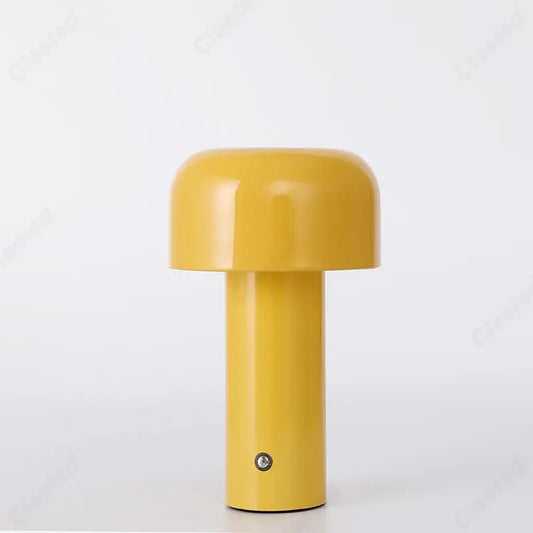
Table lamps are another versatile lighting option. When paired with side tables or kitchen islands, they can provide task lighting for specific activities like reading recipes or enjoying a casual breakfast. For a pop of color or style, look for table lamps that complement your kitchen's aesthetic.
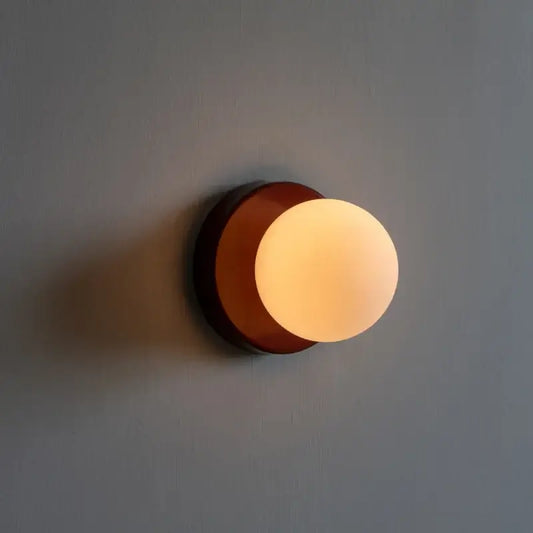
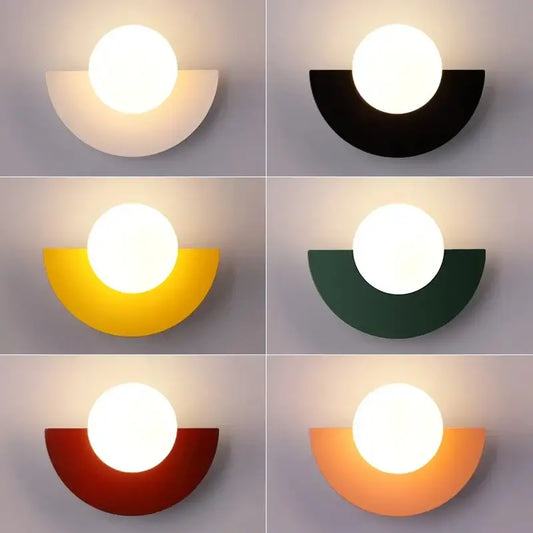
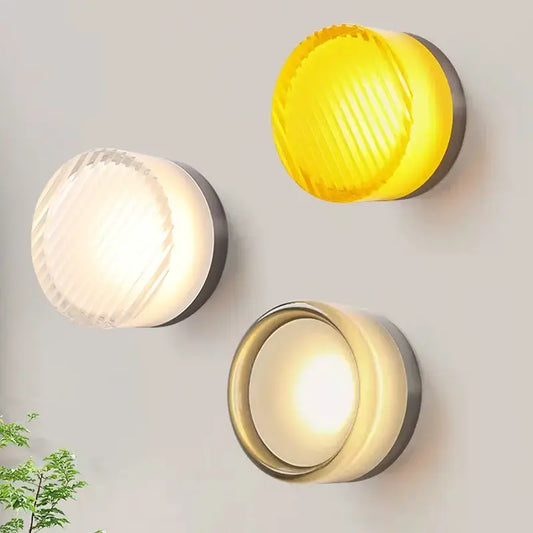
Wall light fixtures can offer both functionality and design appeal. Placing these fixtures above the sink or cooking areas provides excellent task lighting, while they also serve as decorative elements on your walls. Choose fixtures that reflect your preferred interior design style—whether it’s modern, rustic, or industrial—for seamless integration.
Ceiling light fixtures are perhaps the most common lighting used in kitchens. Consider installation options that allow you to customize the height and brightness. Pendant lights over a kitchen island can create an eye-catching focal point, while flush mounts or chandeliers can provide ample ambient lighting.
In addition to safety and aesthetics, energy efficiency is another significant consideration when it comes to kitchen lighting. Here are a few tips to choose energy-efficient solutions:
The key to effective kitchen lighting lies in creating a balanced scheme that layers different types of lighting. By combining ambient, task, and accent lighting, you will achieve an inviting yet practical kitchen that meets all your lighting needs.
Here are some easy techniques to layer your lighting in a modern kitchen:
The world of interior design is always evolving, and kitchen lighting is no exception. Here are some current trends that are enhancing modern kitchens:
Industrial design emphasizes raw materials and simplicity. Exposed bulb fixtures, metal finishes, and Edison-style bulbs are making waves in modern kitchen designs, combining functionality with a vintage vibe.
As sustainability becomes a greater focus, many homeowners are gravitating towards eco-friendly lighting options, such as recycled materials and energy-efficient bulbs, to minimize their environmental impact.
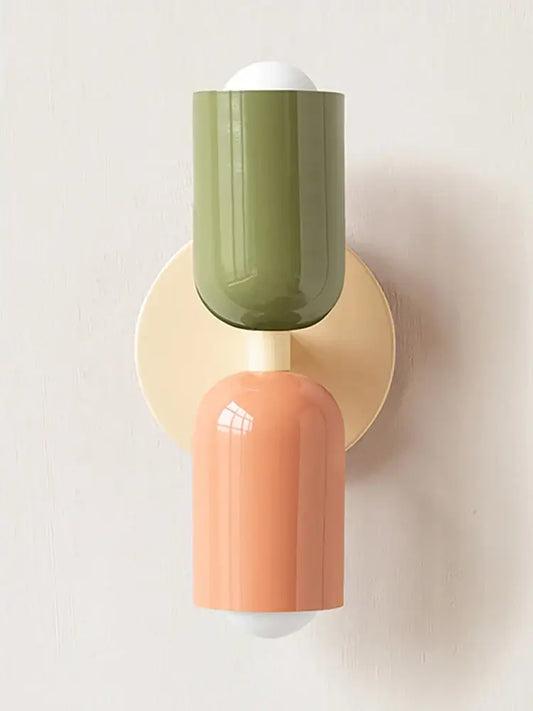
Colorful light fixtures are gaining popularity as a way to inject personality into kitchen design. Bright hues and unique shapes can change the vibe of a kitchen from basic to innovative.
For those with limited space, lighting can play a pivotal role in making a small kitchen feel more expansive. Here are some tips:
In the realm of interior design, lighting goes beyond merely illuminating a space; it shapes the mood and functionality of the kitchen, ensuring safety and practicality while enhancing aesthetic appeal. By thoughtfully incorporating various types of light fixtures such as floor lamps, table lamps, wall light fixtures, and ceiling light fixtures, you can transform your kitchen into a vibrant and dynamic space. Remember, the right lighting can not only brighten your home but also elevate your cooking experience, making every meal an occasion. So, light up your kitchen and bask in the warmth and safety that comes with a well-lit environment!
Like our Magazine? You will like our store even more with all its curated homeware, modern lighting, kitchen utensils and Wall Art. We also recommend that you sign up to our newsletter or follow us on social media to find out about our news article releases, promotions and discount codes.