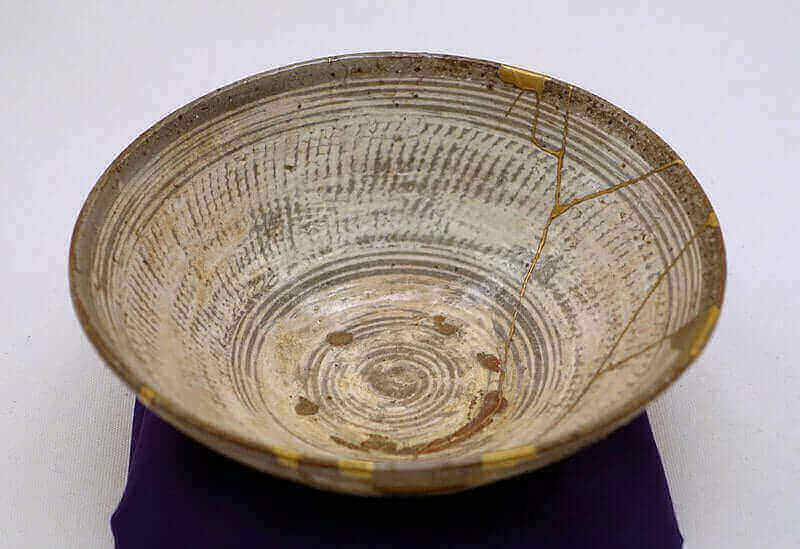
In the world of Japanese aesthetics, Kintsugi stands as a remarkable embodiment of the Wabi-Sabi philosophy. Translating to "golden joinery," Kintsugi is a traditional Japanese art of ceramic repair that embraces the beauty of imperfection and impermanence. With its roots dating back to the 15th century, Kintsugi has not only become a captivating art form but also a profound representation of the Japanese worldview. This article delves into the history, techniques, and significance of Kintsugi, exploring its connection to Wabi-Sabi and its enduring appeal in the modern world.
A Rich History of Kintsugi
Kintsugi has a long and storied history that originated in Japan during the Muromachi period (1336–1573). It is said to have been inspired by the Zen Buddhist monks' practice of repairing broken ceramics with lacquer mixed with powdered gold, silver, or platinum. Over time, Kintsugi evolved into a recognized art form that symbolizes the beauty found in embracing the flaws and history of an object.
The Art of Kintsugi: Techniques and Process
At its core, Kintsugi is an art form that celebrates imperfections rather than concealing them. The process begins with meticulously reassembling the broken ceramic pieces using a natural lacquer called urushi. The skilled artisan carefully places the fragments back together, creating an artful composition that highlights the cracks and fractures. Once the lacquer dries, the artisan applies powdered gold, silver, or platinum along the lines of the mended cracks, transforming them into radiant veins of gold or silver. This deliberate use of precious metals accentuates the repaired areas, elevating the broken ceramic into an object of beauty and reverence.
The Symbolism of Kintsugi
Beyond its aesthetic appeal, Kintsugi carries profound symbolism. The act of repairing the broken ceramics with precious metals acknowledges the object's history and celebrates its resilience. It embodies the Japanese belief in the beauty of impermanence and the acceptance of life's transience. The resulting repaired piece becomes a testament to the object's journey, its survival through damage, and its transformation into something even more precious and unique.
Kintsugi and Wabi-Sabi: A Harmonious Union
Kintsugi and Wabi-Sabi share a symbiotic relationship, as both art forms embrace the philosophy of imperfection and the transient nature of existence. Wabi-Sabi revels in the natural and aged, while Kintsugi showcases the beauty of repair and renewal. Together, they remind us of the beauty found in embracing life's imperfections, a sentiment that resonates deeply with the Japanese ethos.
The Modern Resurgence of Kintsugi
In recent years, Kintsugi has experienced a resurgence in popularity, both in Japan and globally. Its profound philosophy and artistic expression have captivated art enthusiasts, interior designers, and collectors alike. In contemporary design, Kintsugi has transcended ceramics and has inspired artists to apply the technique to various mediums, including glass, wood, and even fabric.
References and Resources:
Books:
- "Kintsugi: Embrace the Imperfections and Find Happiness the Japanese Way" by Tomás Navarro offers insights into the philosophy of Kintsugi and its application in daily life.
- "The Book of Kintsugi: The Japanese Art of Repairing Your Broken Heart" by Tina Chow explores the spiritual and emotional aspects of Kintsugi.
Websites:
- The Nezu Museum (www.nezu-muse.or.jp) in Tokyo showcases a stunning collection of Kintsugi pieces and offers a deeper understanding of this traditional art form.
- Japan Society (www.japansociety.org) offers resources and exhibitions related to Japanese art and culture, including Kintsugi.
Shopping:
Conclusion
Kintsugi, the Wabi-Sabi art of Japanese ceramic repair, stands as a testament to the profound philosophy of embracing imperfection and the beauty of transience. Rooted in history and deeply intertwined with the Wabi-Sabi ethos, Kintsugi continues to captivate and inspire in the modern world. Its enduring appeal lies in its ability to transcend cultural boundaries, touching the hearts of individuals worldwide and reminding us all of the beauty found in life's brokenness and the art of repair. As Kintsugi thrives in contemporary design and creative expressions, its philosophy remains timeless and ever-relevant, offering a powerful reminder to cherish life's imperfections and find beauty in the journey of renewal and transformation.
Nauradika Trade