
How can I utilise texture to add depth to my interiors?
|
|
Time to read 6 min

Discover new arrivals in modern lighting, home decor, and Scandinavian design—updated weekly...
|
|
Time to read 6 min
Incorporating texture into your interiors enhances depth, character, and warmth, creating a unique atmosphere. This blog explores methods to utilise texture through wall treatments, furniture choices, accessories, and plants, while emphasising balance, contrast, and personal style. Experimenting with various materials can transform your space into a dynamic and inviting home.
Adding texture to your interiors is an essential design element that can significantly enhance the overall aesthetic of your home. Texture brings depth, character, and warmth to a space, allowing you to create a unique atmosphere that reflects your personal style. In this blog post, we will explore various ways to utilise texture in your interiors, with a focus on incorporating items such as a Tropical Decor Wall Clock and Designer Table Lamps Wholesale. Let's dive into the world of texture and discover how it can transform your space!
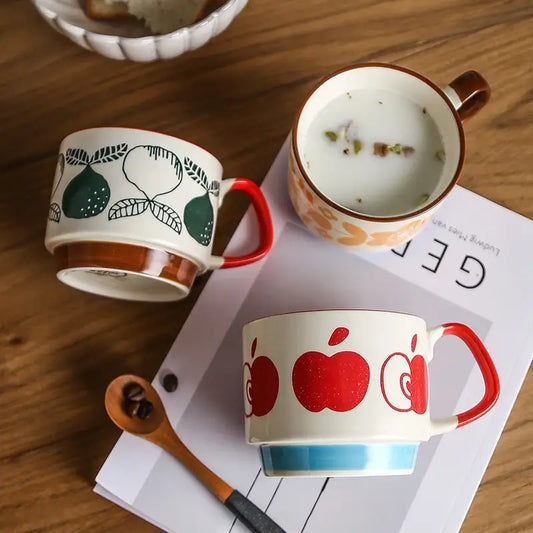
When considering interior design, many people focus solely on colour and shape, often overlooking the importance of texture. Textures can be classified into three categories: visual texture (what we see), tactile texture (what we feel), and physical texture (the way surface materials interact). Integrating different textures in your home creates a sense of balance and harmony while adding decorative interest.
One of the fundamental principles of interior design is achieving balance. To create a well-rounded space, it’s crucial to mix various textures. For example, pairing a smooth leather sofa with soft, knitted throw pillows adds not only comfort but also visual intrigue. You can even introduce materials like wood, metal, and fabrics to create contrast. Consider the natural grain of wooden surfaces juxtaposed against sleek metal elements for a modern touch.
When selecting textures, consider your overall colour scheme and style. A cohesive palette of textures can enhance the design of your room. Here are a few popular materials that can elevate your interiors:
Walls are a blank canvas and present ample opportunity for texture. Consider using textured wallpaper, which can introduce patterns and depth. Alternatively, a feature wall constructed from reclaimed wood or stone can create a stunning focal point. For an added touch, hang a decorative Tropical Decor Wall Clock that not only serves a purpose but also adds an artistic element to your design.
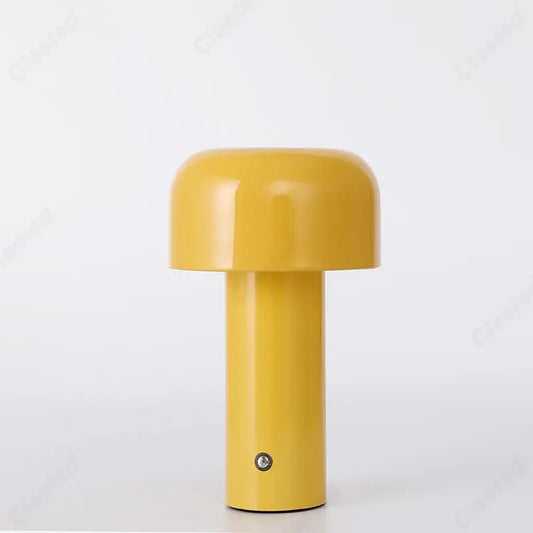
As you curate your interiors, don’t forget about furniture choices. A designer style sofa with varied fabrics, such as tweed cushions on a leather lounge, can add layers of texture. Look for tables and chairs that feature raw wood finishes or intricate metalwork. When looking for flexibility in pricing and styles, sourcing from Designer Table Lamps Wholesale can provide eclectic lighting options that help to emphasise your chosen textures throughout the space.
Accessories are the finishing touches that tie your space together. Incorporating textured accessories can make a significant impact. Consider adding:
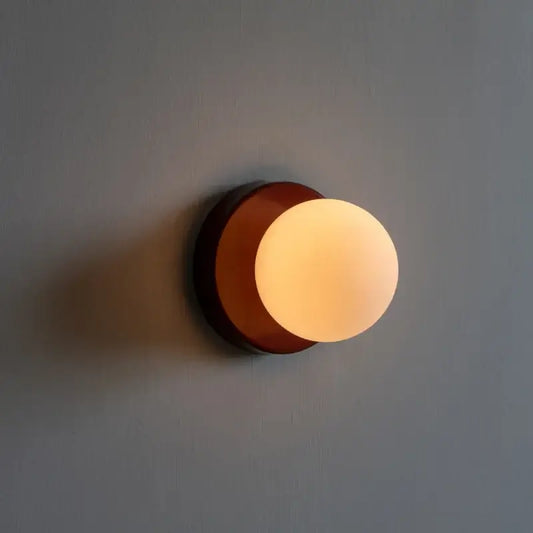
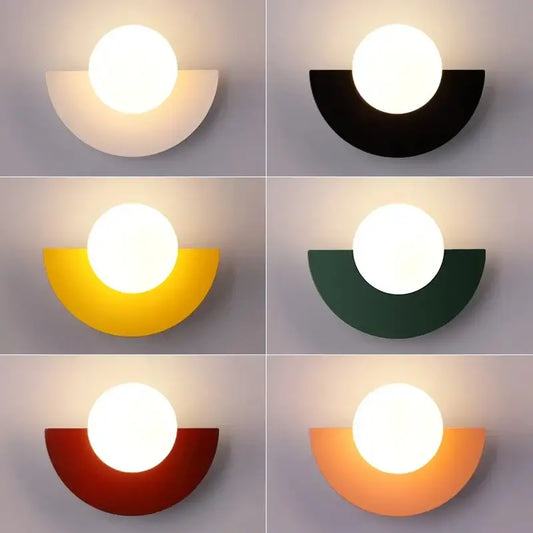
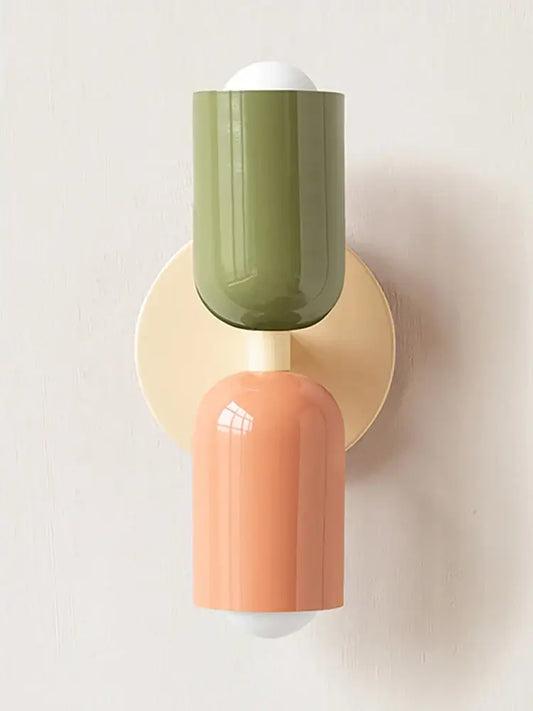
Lighting is crucial in accentuating texture in your interiors. Consider an array of light sources that vary in texture and materials. For instance, a fabric lampshade with soft lighting can create an inviting atmosphere, while a glass lamp adds brightness and elegance. Choose lamps that not only serve a functional purpose but also act as statement pieces within your design. Explore options in Designer Table Lamps Wholesale for unique selections that complement your vision.
Incorporating green plants into your interiors can add a refreshing and organic texture to your space. Plants have different leaf shapes and sizes, from the large and glossy leaves of a monstera to the delicate fronds of a fern. Not only do they enhance your decor, but plants also bring life into your home, improving air quality while contributing to a calming environment.
Consider placing plants in various locations: on shelves, hanging from the ceiling, or in decorative pots on tables. Use pots with different finishes, such as terracotta, ceramic, or metallic options, to enrich the texture palette within your rooms. This abundant use of natural textures complements other design elements and enhances the overall feeling of warmth.
Sometimes, bold textured pieces can serve as stunning focal points. Think of a large, intricately woven tapestry or a striking sculpture made from natural stone. These statement pieces can draw the eye and become conversation starters while enhancing the overall texture of the environment. Position them against simpler backgrounds to allow their textures to stand out.
Utilising contrasting textures can add drama to an otherwise subdued setting. For example, pairing hard and soft textures—such as a smooth marble table with a shaggy wool rug—can create an arresting effect. The juxtaposition of the two types not only enhances the visual interest but also creates a tactile experience for anyone who interacts with the space.
In today's world, people engage with spaces not just visually but through their senses as well. Think about how textures feel underfoot, against the skin, and even how they interact with sound. Soft surfaces absorb sound, reducing echo and creating a more intimate atmosphere, while harder surfaces can bounce sound and add energy to a space. By carefully balancing these elements, you can create a sensory-rich environment that is both welcoming and invigorating.
When it comes to selecting textures for your interiors, it is essential to stay true to your own style and preferences. Avoid trends that don't resonate with you personally. Instead, invest in pieces that you love and that showcase the textures you appreciate. Remember, the goal is to create a space that feels comfortable, inspiring, and truly representative of who you are.
By embracing and utilising texture in your interiors, you can create an engaging and dynamic living space that reflects your unique personality. From the walls to the choice of accessories, texture plays a crucial role in enhancing the overall atmosphere and design of your home. Remember to experiment with various materials, colours, and patterns to find the perfect combination that thrives in your space. As you embark on your journey to texture-filled interiors, let your creativity flourish, and watch as your home comes to life!

The Hand Woven Raffia Wall Clock serves as both a functional timepiece and a decorative element, enhancing your interiors with its unique texture. Its natural fibres and warm tones can create a sense of depth and warmth, making it a perfect addition to spaces aiming for a relaxed, vintage aesthetic. This eco-friendly clock not only tells time but also contributes to a serene, beach-inspired atmosphere in your home.
View ProductLike our Magazine? You will like our store even more with all its curated homeware, modern lighting, kitchen utensils and Wall Art. We also recommend that you sign up to our newsletter or follow us on social media to find out about our news article releases, promotions and discount codes.