Rattan Pendant Lights in 2026: Enduring Appeal or Passing Trend?
The rattan pendant light has evolved considerably since its peak popularity in the early 2020s. Rather than fading, this natural material category has matured into a refined design staple that commands respect in both residential and commercial interiors. For architects specifying lighting solutions, understanding the current trajectory of rattan fixtures is essential to delivering contemporary yet timeless schemes.
The Current Market Position
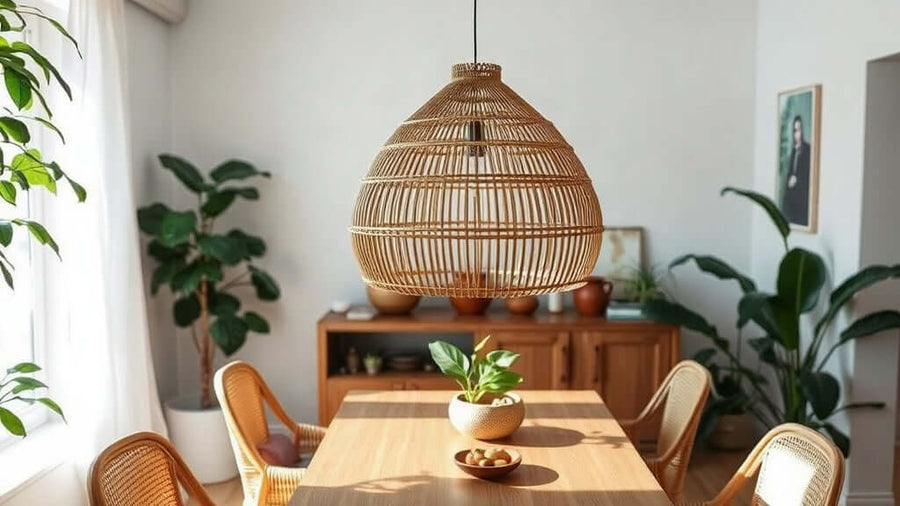
Rattan pendant lights remain firmly established in 2026, though the aesthetic has shifted. The oversized, sculptural forms of previous years are giving way to more restrained proportions and refined detailing. Designers are increasingly pairing natural rattan with minimalist silhouettes and precision engineering, creating fixtures that read as sophisticated rather than bohemian.
This evolution reflects a broader move towards biophilic design that emphasises authenticity without sentimentality. Clients recognise that natural materials contribute demonstrably to occupant wellbeing—particularly relevant in commercial wellness spaces and residential environments where productivity and relaxation are priorities.
Specification Considerations
When selecting a rattan pendant light for your project, several technical factors warrant careful attention:
- Material integrity: High-quality rattan maintains structural rigidity and maintains finish consistency over extended periods. Verify supplier specifications for UV stability and humidity performance, particularly in commercial kitchens or humid climates.
- Scale relationships: A rattan pendant light functions most effectively when proportions align with ceiling height and floor area. Oversized specimens can overwhelm modest spaces; undersized fixtures fail to generate visual impact in generous volumes.
- Light diffusion: Natural rattan creates warm, filtered illumination. Confirm lux output and colour temperature specifications to ensure functional adequacy. Some fixtures integrate opal diffusers for enhanced uniformity.
- Maintenance profiles: Rattan requires periodic dusting and occasional professional cleaning. Budget accordingly in commercial settings with high occupancy densities.
Design Integration Strategies
Contemporary schemes employ rattan pendant lights as textural counterpoints within minimalist or industrial frameworks. Pairing natural rattan with matte black metalwork, concrete finishes, or exposed brick creates sophisticated contrast. This approach prevents interiors from reading as thematically narrow or dated.
For commercial applications—hospitality, wellness centres, contemporary offices—a carefully curated natural pendant light introduces warmth without compromising professional aesthetic standards. The material signals intentionality and materiality while maintaining visual restraint.
Future Outlook
The rattan pendant light will likely remain relevant through the remainder of the decade, but expect continued refinement in design language. Expect to see increased integration with smart lighting systems, sustainable manufacturing transparency, and hybrid material combinations. Natural materials are no longer positioned as alternatives to contemporary design; they are integral to it.
For architects seeking a natural pendant light that delivers both visual authenticity and design credibility, the category remains reliable. The key is specification rigour and awareness of current aesthetic positioning. Rattan fixtures are no longer trending—they are simply part of the contemporary vocabulary.
Explore the look through rattan pendant light options and related pieces in our Vintage Light Fixtures collection.
Why this style works
The right light does more than illuminate a room. It sets the rhythm of the space, gives furniture a visual anchor, and helps a decorative scheme feel intentional rather than assembled. For readers arriving from search, this section connects the design idea to practical product selection.
- Creates a clear focal point
- Adds warmth and texture
- Works across contemporary and vintage-inspired rooms
How to choose the right piece
Start with scale, then material, then light temperature. A pendant or wall light should feel proportionate to the room and the furniture below it. Natural materials tend to soften modern interiors, while darker finishes can make a more graphic statement.
- Check ceiling height and furniture dimensions
- Choose a finish that repeats elsewhere in the room
- Use warm bulbs for living and dining spaces
Where to use it
This look is especially effective in dining rooms, bedrooms, hallways and boutique hospitality spaces where atmosphere matters. It can also work in renovations where a single lighting change needs to make the room feel more finished.
- Dining tables and kitchen islands
- Bedrooms and reading corners
- Hallways, restaurants and boutique hotels
Shop the Look
For the most relevant products, start with the article's featured piece and the matching collection. Product price, availability and images should be pulled live from Shopify when the template renders.
View the featured rattan pendant light or browse the full related collection.
Featured in this guide
View collectionWhy this style works
Frequently asked questions
Nauradika Trade