
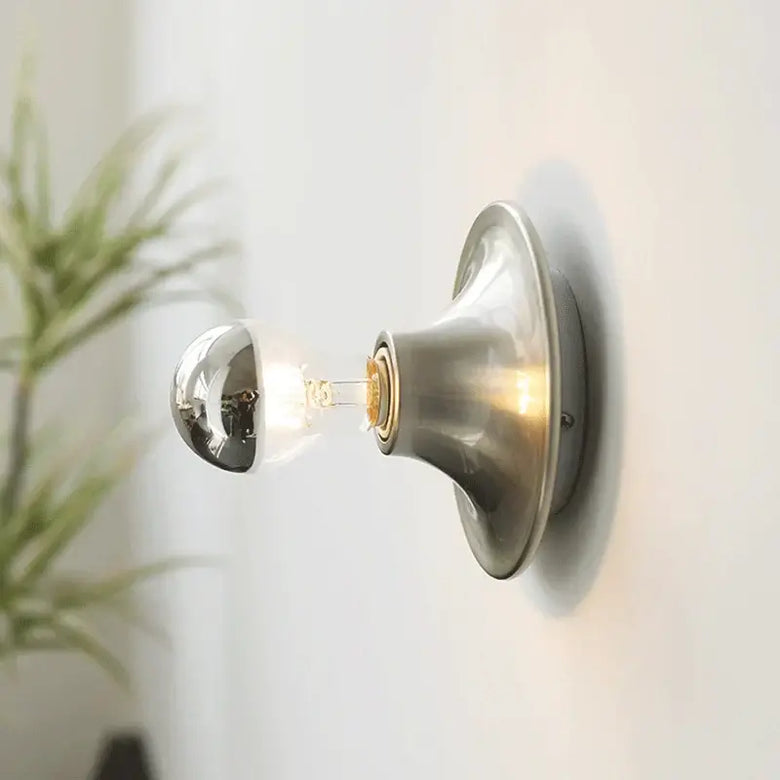
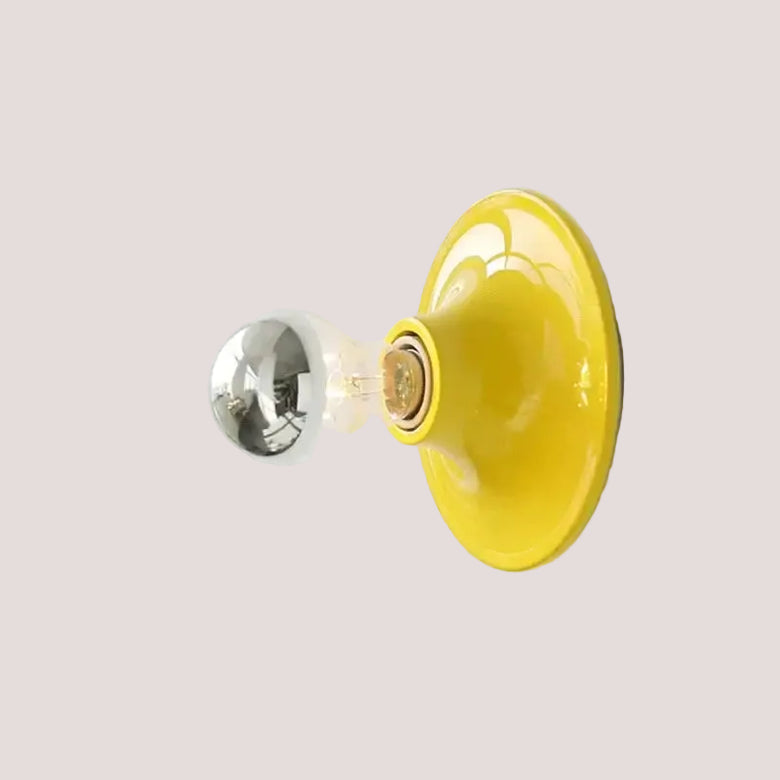
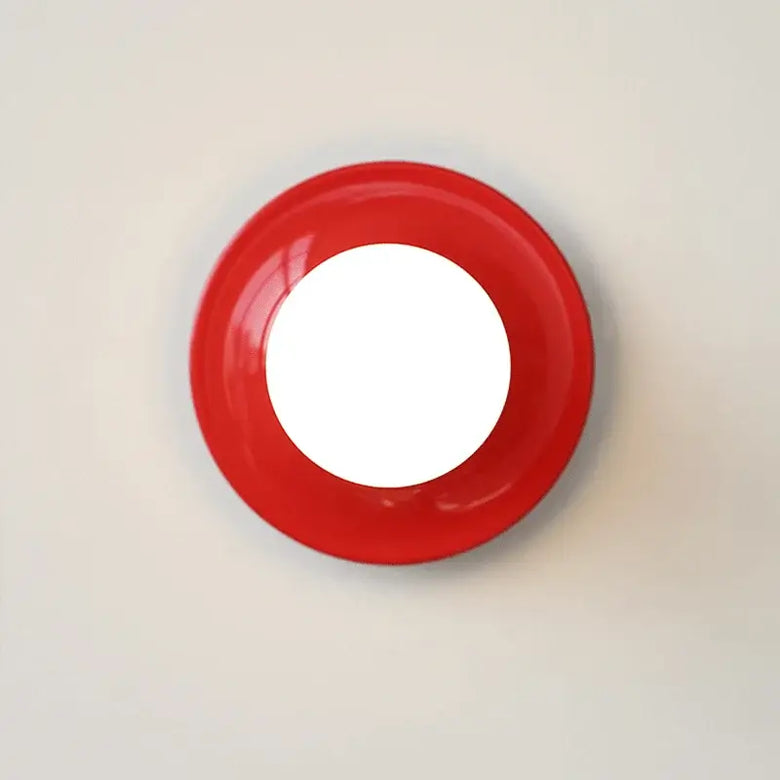
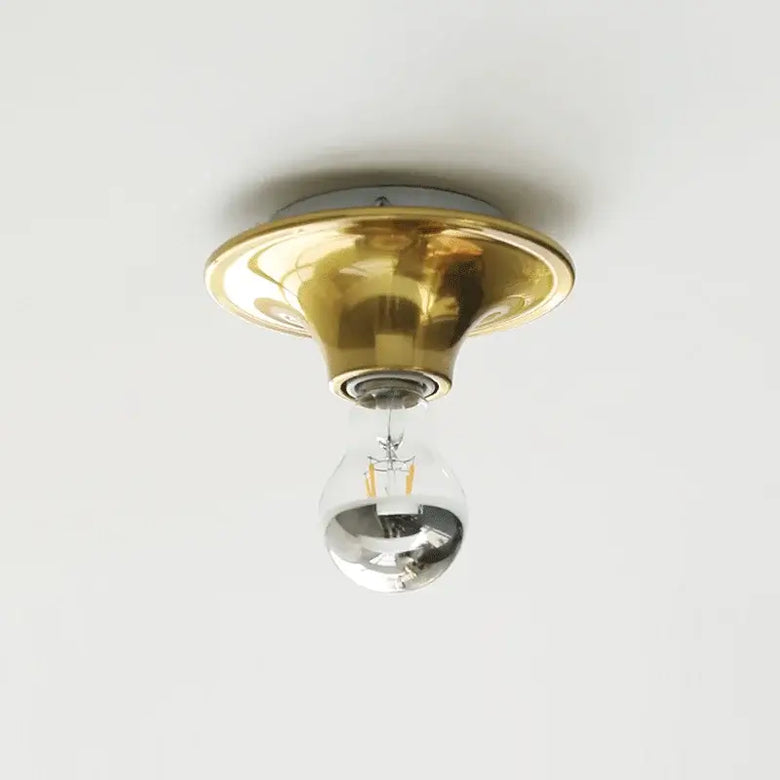
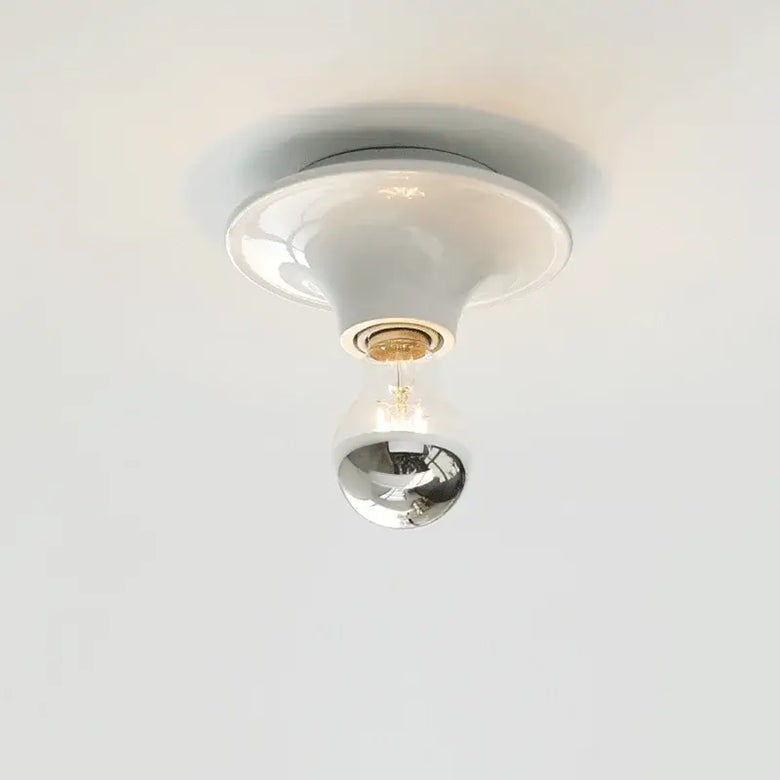
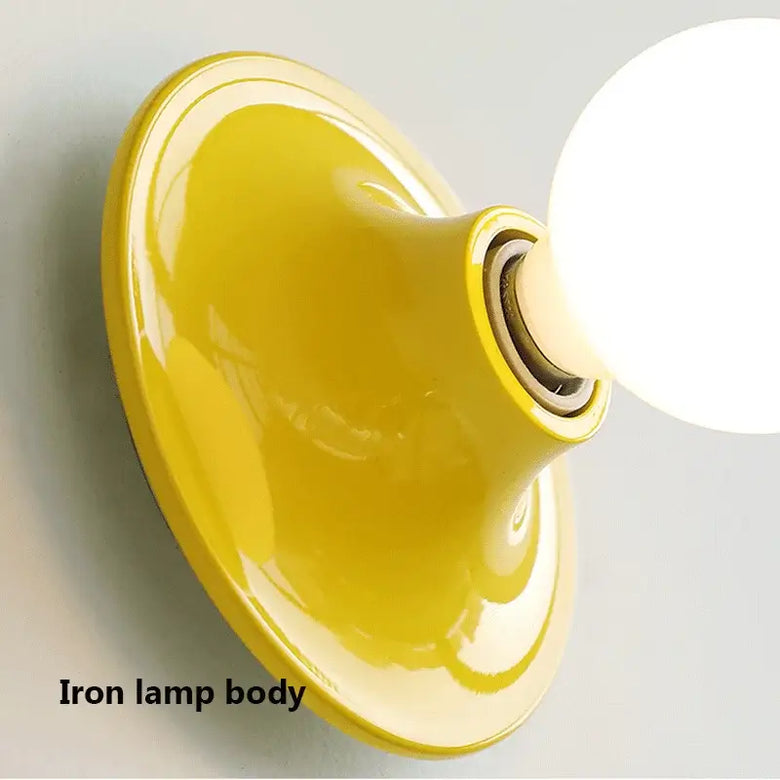
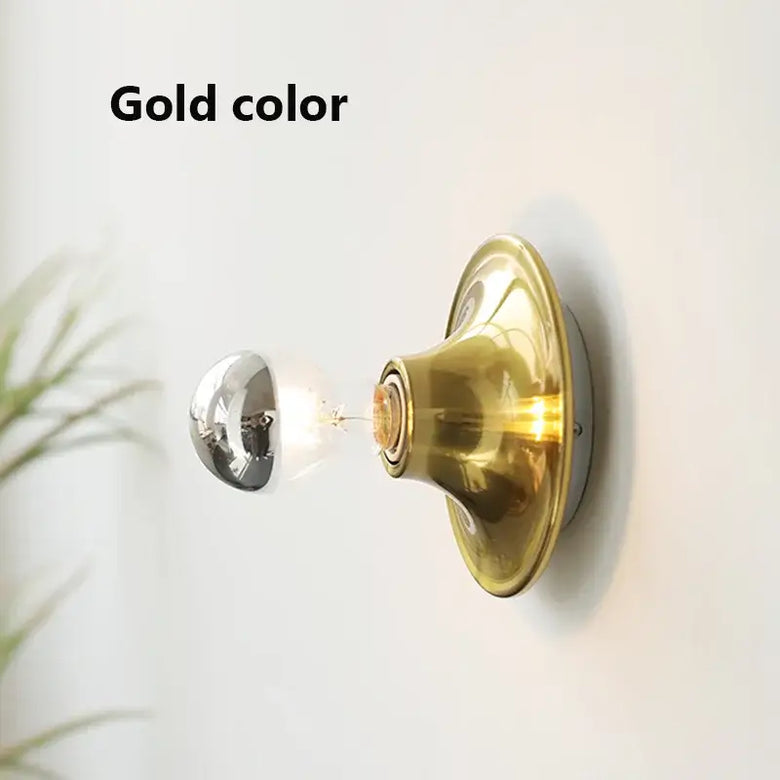
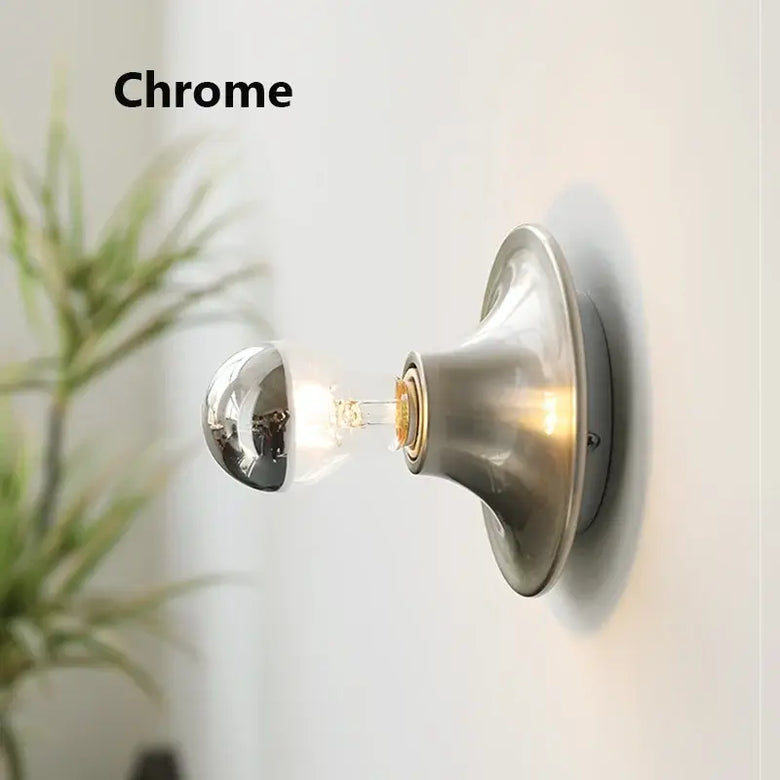
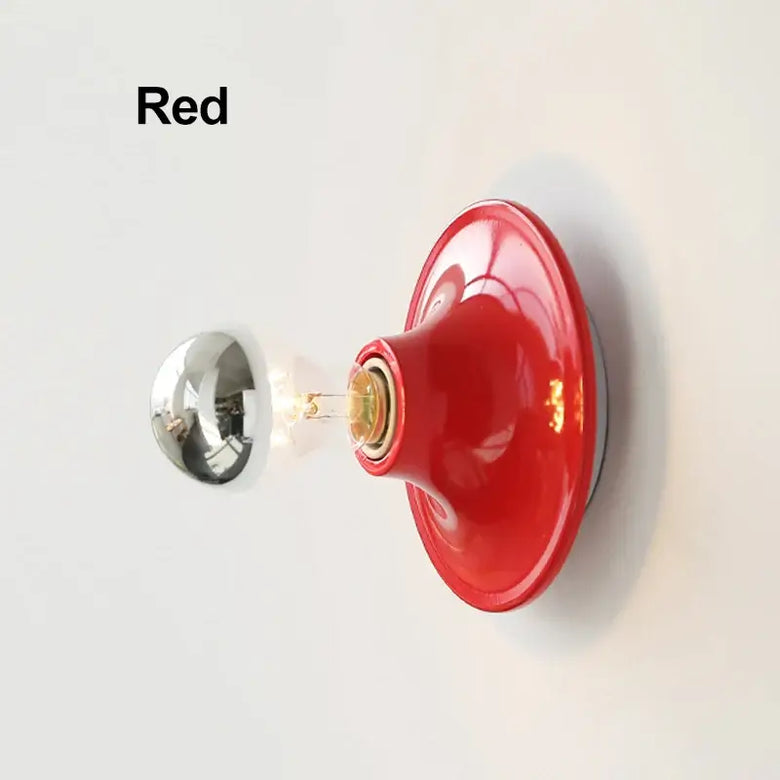
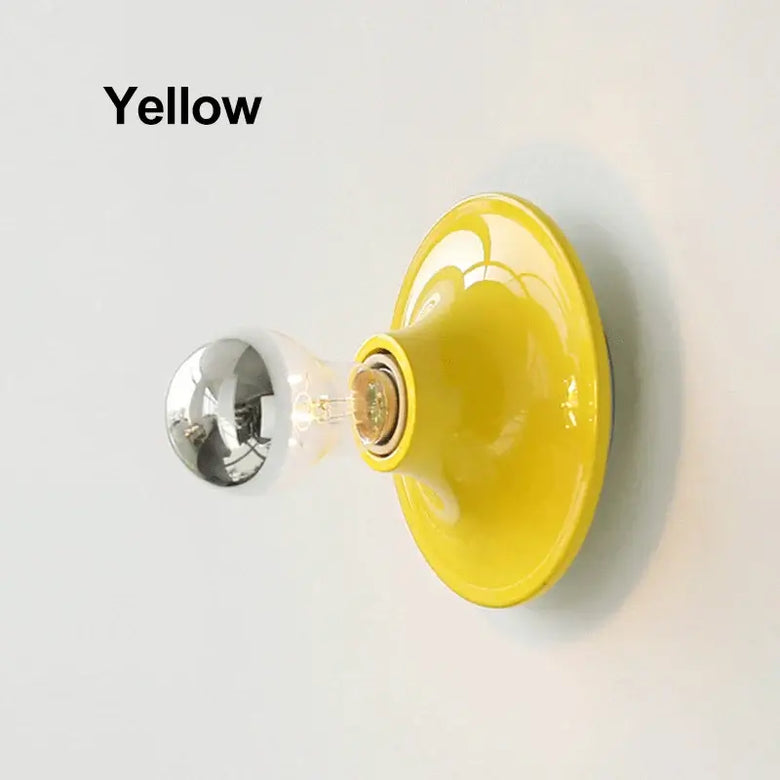
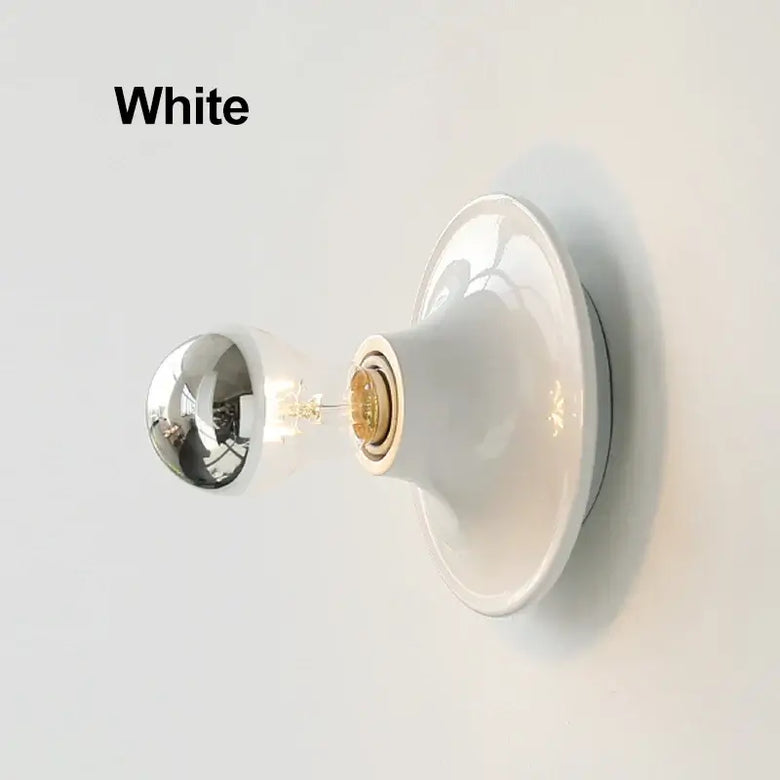
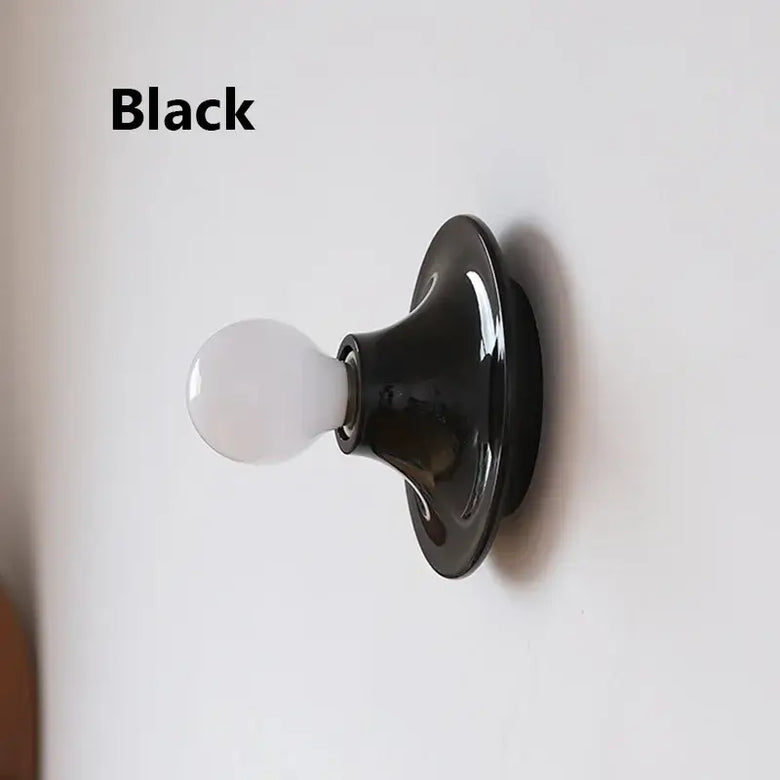
80S Revival Wall Light
Bulb included•IP20
Product description
80s revival wall light is a 1980s revival wall light designed for interiors where lighting needs to do more than simply brighten a room. It is a decorative object, a practical source of illumination and a design cue that helps define the mood of a space. Chosen well, a wall light can make a room feel more considered, more intimate and more complete. This piece is especially relevant for customers looking for wall lights with personality: lighting that feels distinctive enough for a design-led home, but versatile enough for everyday living, renovation projects and hospitality interiors.
Why this wall light works
The strength of this design is its ability to balance visual presence with usability. Some decorative lighting is beautiful in photographs but difficult to integrate into real homes; this piece has a more adaptable character. It can support a quiet, minimal interior, but it can also add contrast to rooms with bolder furniture, richer colour palettes or vintage references. The form gives the product a clear identity, while the proportions make it easier to place in the kinds of spaces people actually use every day. Whether you are upgrading one room or specifying lighting across a larger project, this is the type of design that can give a scheme a more finished, intentional look.
Design character and style
The design language sits between contemporary decorative lighting and timeless interior detailing. Its 1980s revival character makes it suitable for modern homes, renovated period properties, boutique apartments and carefully styled commercial spaces. It can be used to introduce a softer layer of light, to punctuate a plain wall, to bring interest to a ceiling line or to create a memorable focal point. Instead of disappearing completely into the background, it adds a layer of personality without overwhelming the room. This is useful when you want lighting to contribute to the design scheme rather than simply function as an afterthought.
Where to use it
This wall light is particularly well suited to bedrooms, hallways, reading corners, living room feature walls, boutique corridors and restaurant banquettes. In a home, it can help make transitional spaces feel more deliberate and lived in. In a bedroom or living area, it can provide a warmer and more atmospheric alternative to relying only on central ceiling lighting. In a hospitality or trade setting, it can help create a recognisable visual rhythm across guest rooms, corridors, dining areas or reception spaces. The key is to think of it not only as a single product, but as part of the wider lighting plan: ambient light for softness, task light for practicality and decorative light for mood.
How to style it at home
For residential interiors, this piece works best when it is given enough visual breathing room. Pair it with natural materials, warm neutrals, textured fabrics, timber, marble, brass, glass or coloured accents depending on the atmosphere you want to create. If the room already contains strong shapes, use the wall light to echo one of those forms. If the room is minimal, let the lighting introduce the decorative detail. It can be styled with contemporary furniture, mid-century pieces, Scandinavian interiors, eclectic homes and softer hotel-inspired schemes. The result should feel intentional rather than overdecorated.
For trade, hospitality and interior design projects
This product also has strong potential for interior designers, architects, boutique hotels, restaurants, serviced apartments and retail environments. Decorative lighting is often one of the quickest ways to give a project a more premium feel, especially when the same design is repeated with discipline across a space. A run of coordinated wall lights, a pair placed symmetrically or a carefully chosen statement piece can make a room feel designed rather than merely furnished. For trade buyers, the commercial value lies in the way this piece can create atmosphere, support a design concept and contribute to memorable guest or customer experiences.
Lighting effect and ambience
The purpose of decorative lighting is not only brightness. It should shape the atmosphere of the room. Depending on the bulb and installation, this wall light can create a warm, layered effect that softens surfaces, highlights textures and makes the space feel more welcoming. It is particularly effective when combined with other light sources rather than used alone. In a living room, combine it with table lamps and indirect lighting. In a bedroom, pair it with softer bedside or reading light. In a restaurant or hotel, use it as part of a layered scheme that makes people feel relaxed while still giving enough practical illumination.
Materials, finish and practical details
The exact finish, scale and technical details should always be checked against the product specification before ordering. Use the product specification fields for exact dimensions, bulb requirements, voltage, installation notes and finish information before ordering, particularly when coordinating several wall lights along a corridor or above bedside tables. Product photography can communicate mood and proportion, but the final decision should also consider measurements, installation conditions and the existing lighting plan. If you are ordering several pieces for one room or a larger project, check spacing, symmetry and the relationship with furniture. Good lighting depends as much on placement as on the object itself.
How it helps a room feel more complete
Many interiors feel unfinished because the lighting has been treated as a practical necessity rather than a design layer. This piece helps solve that problem. It can draw attention to a surface, create rhythm, frame a view, soften a dark corner or give a room a more curated atmosphere. It is the kind of product that supports the overall interior rather than competing with it. For homeowners, that means a room that feels warmer and more personal. For designers and hospitality buyers, it means a more coherent specification that can support the story of the space.
Pair it with related lighting
For a cohesive scheme, pair this product with related lighting categories rather than relying on one light source. Browse designer wall lights, modern wall lights, statement lighting to build a layered lighting plan across the room. A good interior often combines ceiling lighting for overall illumination, wall lighting for atmosphere, table or floor lamps for softness and statement pieces for visual identity. Internal coordination matters: finishes do not need to match exactly, but they should feel related through material, tone, shape or design period.
Buying advice
Before ordering, consider the role this wall light needs to play. Is it there to provide practical light, create atmosphere, act as a decorative focal point or repeat across a larger scheme? Check the scale against the wall, ceiling height, furniture and surrounding objects. If the product will be used in a hospitality or commercial setting, order with consistency in mind and allow for spares where appropriate. If it will be used at home, think about how it will look both switched on and switched off. Good decorative lighting should earn its place in daylight as well as at night.
Colour, texture and visual balance
Lighting often succeeds because it connects several parts of a room. The colour of the fitting can echo a door handle, a chair frame, a picture frame, a table base or the warmer tones in timber and textiles. Texture is equally important. Smooth glass, soft fabric, polished metal, natural stone effects or sculptural forms each change the way a room feels. When selecting this wall light, look at the finishes already present in the space and decide whether the light should blend in quietly or provide contrast. A considered contrast can be very effective: a refined light against a textured wall, a warm finish in a neutral room or a simple silhouette within a more decorative scheme.
Using several pieces together
If you plan to use more than one unit, spacing becomes part of the design. Repetition can make a room feel architectural, especially in corridors, hospitality bedrooms, restaurants and open-plan living spaces. A pair can create symmetry around a bed, mirror, fireplace or console, while a sequence can guide the eye through a larger interior. For commercial buyers, consistency across multiple rooms can create a stronger brand experience and make a project feel more coherent. For homeowners, using related pieces in more than one room can help the entire home feel connected without making every space look identical.
Frequently asked questions
Is this suitable for a design-led home?
Yes. The design has enough character to work in a considered home interior, especially where lighting is used as part of the decoration rather than hidden as a purely functional feature.
Can it work for trade or hospitality projects?
Yes. The style is suitable for boutique hospitality, interior design projects, restaurants, retail environments and residential developments where decorative lighting can help create atmosphere and perceived value.
What should I check before ordering?
Check the dimensions, finish, bulb requirements, voltage, installation notes and delivery details. For multiple units, also check spacing, symmetry and consistency across the full lighting plan.
Specifications
| Bulb Included | Yes |
| Dimmable | Yes |
| Voltage | Universal (100-240V) |
| IP Rating | IP20 |
| Diameter | 15cm |
| Category | Wall Light Fixtures |
| Material | Iron and glass, Metal, Plastic |
| Finish | Other, Metallic, Satin, Gloss, Matte |
| Style | Modern, Minimalist, Contemporary, Retro/Vintage |
See it in real spaces
More inspiration →


Frequently Asked Questions
What makes 80S Revival Wall Light suitable for interiors?
80S Revival Wall Light has been selected as a wall light fixtures for interiors where lighting needs to support both atmosphere and visual structure. A good light fixture should do more than simply brighten a room: it should help define the mood, support the furniture layout, guide the eye and make the space feel more complete. Transform your space with our 80s wall light. Easy to install and vibrant, this UFO-shaped lamp brings character to any room.
In a residential setting, 80S Revival Wall Light can help make a room feel warmer, calmer and more intentional. In a hospitality or commercial setting, it can support the guest experience by adding visual rhythm, softness and character to the interior. The aim is not only to provide light, but to create a more considered atmosphere.
Use it alongside other forms of lighting, such as ceiling lights, wall lights, table lamps or accent lighting, to create a balanced scheme. This layered approach gives you more flexibility throughout the day, allowing the room to feel brighter and more practical when needed, then softer and more atmospheric in the evening.
Is the bulb included with 80S Revival Wall Light?
Yes, the bulb is included with 80S Revival Wall Light. This makes the fixture easier to specify and helps ensure the light source is appropriate for the design. It is still worth checking the product specifications before installation, especially if you are planning to use the fixture in a professional project or alongside a dimmer.
When selecting a bulb, consider both brightness and colour temperature. Warm white is usually the safest choice for bedrooms, living rooms, restaurants and hotel-style interiors because it creates a softer atmosphere. Brighter or cooler light may be more suitable for task-focused areas, but can feel harsh if used as the only light source in a room.
Is 80S Revival Wall Light dimmable?
Yes, 80S Revival Wall Light supports dimming with compatible components. This can be especially useful in living rooms, bedrooms, dining areas, hotel bedrooms and hospitality interiors where the mood changes throughout the day. See specifications for details before choosing a dimmer or driver.
Dimming is useful when a fixture needs to work for several moments: brighter light for practical use, lower light for evening atmosphere, and softer illumination when the room is used for relaxing or dining. If dimming is important to your project, confirm compatibility with your electrician before installation.
What kind of light does 80S Revival Wall Light produce?
80S Revival Wall Light is available withWarm White (2700-3500K) light options. This allows you to choose a version that better suits the mood and function of the room.
Warm white is usually best for bedrooms, dining rooms, living rooms and hotel-style interiors because it creates a softer and more relaxed atmosphere. Cool white gives a cleaner, brighter effect for task-focused areas where clarity is more important, such as utility spaces, work surfaces or commercial areas where visibility is the priority.
Think about how 80S Revival Wall Light will be used within the whole lighting scheme. If it is one of several lights in the room, it can be softer and more atmospheric. If it needs to provide more functional illumination, choose the light colour and brightness more carefully so that the result feels practical without becoming cold or flat.
Where does the size of 80S Revival Wall Light work best?
At approximately 15cm, 80S Revival Wall Light is best suited to narrow hallways, small bedrooms, compact bathrooms, reading corners and paired bedside installations.
The scale of a wall light affects how much presence it has on the wall. Smaller fixtures feel discreet and architectural, while larger fixtures become more decorative and visible within the scheme. When choosing a size, think not only about the wall area available, but also about how close people will be to the fixture.
In narrow spaces, a more compact wall light usually feels more elegant and practical. In larger rooms or hospitality interiors, a more generous wall light can help the space feel designed rather than simply lit. 80S Revival Wall Light should have enough breathing room around it so that it reads as part of the interior rather than as an afterthought.
Can 80S Revival Wall Light be used as a bedside wall light?
Yes. At approximately 15cm, 80S Revival Wall Light is a strong scale for bedside use. Install the centre of the fixture around 105–120cm above the floor, or roughly 20–30cm above the bedside table.
Bedside wall lights are useful because they free up space on the bedside table and create a more integrated look. They can also make a bedroom feel more like a hotel suite, especially when used as a pair on either side of the bed. If you want the fixture to be used for reading, check the light direction and brightness carefully.
For the most balanced result, place the light in relation to both the mattress height and the bedside table height. If the room has a large headboard, artwork or panelling, align 80S Revival Wall Light with those elements so the installation feels intentional.
Is 80S Revival Wall Light a good size for a hallway?
Yes. The compact size of 80S Revival Wall Light works well in narrow hallways where projection and visual weight need to stay restrained.
Hallways are often treated as purely functional spaces, but good wall lighting can make them feel warmer and more finished. A repeated rhythm of wall lights can guide circulation, soften long corridors and create a stronger connection between rooms.
If you are using several 80S Revival Wall Light fixtures in one hallway, keep the spacing consistent. Avoid placing fixtures too close to door frames, corners or artwork unless the composition is deliberate. The aim is to create a calm visual rhythm rather than clutter the wall.
Can 80S Revival Wall Light be used in a bathroom?
80S Revival Wall Light has an IP rating of IP20. This rating is generally intended for dry indoor areas rather than wet bathroom zones.
Bathroom lighting must always be checked carefully because suitability depends on the installation zone, distance from water sources and local electrical regulations. Even when a fixture has an IP rating, final placement should be confirmed by a qualified electrician.
How many 80S Revival Wall Light fixtures do I need for a living or dining room?
For ambient wall lighting, use one fixture in rooms under 20m², three fixtures for rooms between 20–30m², and three fixtures plus at least one additional wall light for each extra 10m² above that.
80S Revival Wall Light should usually be treated as part of a layered lighting plan, rather than the only source of light in the room. Combine it with ceiling lighting, table lamps or floor lamps for a more flexible result. This makes the room easier to adapt for reading, dining, entertaining or relaxing.
In a dining room, wall lights can soften the perimeter of the space and make the table feel more intimate. In a living room, they can reduce reliance on a central ceiling light and add depth to the walls. In larger hospitality interiors, repeating wall lights can help create atmosphere while supporting wayfinding and visual consistency.
Which finish or colour should I choose for 80S Revival Wall Light?
80S Revival Wall Light is available in the following finishes:Red, Yellow, WHITE, black, Gold, Chrome Warm White (2700-3500K) .
Choose darker finishes for contrast and architectural definition; choose lighter finishes for a quieter, more integrated look. Warm metallic finishes can add softness and richness, while black, white or neutral finishes often feel cleaner and more graphic.
In professional schemes, repeating the same finish across several fixtures can help the project feel more coherent. In homes, you can either match the finish to existing hardware and furniture details, or deliberately use the light as a contrasting feature. The best choice depends on whether you want 80S Revival Wall Light to blend into the room or become a visible design accent.
Which light colour should I choose for 80S Revival Wall Light?
Available light colours for 80S Revival Wall Light:Warm White (2700-3500K) .
Warm white is usually best for bedrooms, dining rooms and living spaces. It makes materials feel softer and creates a more relaxed atmosphere. Cool white is better for task-focused areas where a cleaner, brighter light is preferred, but it can feel less intimate in rooms designed for relaxing or entertaining.
If 80S Revival Wall Light will be used in a hotel, restaurant or residential living space, warm white is usually the safer choice. If it will be used in a workspace, utility area or task-focused setting, a cleaner white may be more appropriate. The best option depends on how the room will be used most often.
What is the build quality of 80S Revival Wall Light like?
80S Revival Wall Light is selected for material integrity, finish consistency and design longevity. The aim is to offer a wall light fixtures that looks considered beyond the first installation day and remains suitable for real interiors over time.
Build quality matters because lighting is both decorative and functional. A fixture is handled during installation, used daily and seen from close range, so the finish, proportions and details need to feel appropriate once the piece is installed in the room.
Nauradika focuses on lighting that can work in homes, hotels, restaurants and design-led commercial interiors, where visual impact and reliability both matter. 80S Revival Wall Light has been chosen to offer a considered design effect without relying on short-lived trends.
How should I clean and care for 80S Revival Wall Light?
For everyday care, gently wipe 80S Revival Wall Light with a soft, dry cotton cloth. Avoid household detergents, abrasive cleaners, alcohol-based sprays or rough cloths, as these can affect the finish over time.
Before cleaning, switch the light off and allow it to cool fully. For glass, painted or plated surfaces, use light pressure only. Good maintenance should be almost invisible: regular dusting is usually enough to keep the piece looking quietly exceptional for years.
In hospitality or commercial interiors, include the fixture in a regular maintenance routine so dust does not build up around visible edges, shades or fittings. Avoid over-cleaning with strong products; gentle, consistent care is usually better for preserving the finish.
Is 80S Revival Wall Light suitable for professional projects?
Yes. 80S Revival Wall Light is suitable for residential, hospitality and commercial projects where scale, finish and longevity matter. This wall light fixtures can be specified for interiors that need lighting with presence, without feeling short-lived.
Professional projects often require lighting that works across more than one room or zone. A fixture may need to support bedrooms, corridors, dining areas, lobbies, bathrooms, apartments or commercial spaces while still feeling visually coherent. 80S Revival Wall Light can be considered as part of that wider specification process.
For larger quantities or project-led requirements, consider creating a business account or reviewing our trade discount information. This is especially useful for architects, interior designers, builders, developers, hotel operators and hospitality teams sourcing lighting across multiple rooms or properties.
How does 80S Revival Wall Light compare to designer brands?
Nauradika works through a direct-from-supplier model, reducing traditional retail markups while keeping the focus on considered design, reliable materials and long-term visual appeal.
This means 80S Revival Wall Light can offer a design-led look for homes, hotels, restaurants and commercial interiors without the pricing structure usually associated with traditional designer lighting distribution.
The goal is not to imitate a brand name, but to make well-considered lighting more accessible for projects where atmosphere, form and budget all matter. For many interiors, the right balance of scale, finish, proportion and light quality is more important than the label attached to the fixture.
How long does delivery take for 80S Revival Wall Light?
Delivery timelines for 80S Revival Wall Light are shown above the add-to-cart section. Delivery estimates may vary depending on destination, product availability and selected variant.
For general delivery and order information, see our FAQ page.
What if 80S Revival Wall Light doesn’t work in my space?
We offer a 14-day return window, giving you time to assess whether 80S Revival Wall Light works with your room, proportions and wider lighting scheme.
Before installing, check the scale, finish and position of the fixture carefully. Hold the product near the intended location, review it in natural and artificial light, and make sure it works with nearby furniture, wall colours and other fixtures.
Full return details are available on our FAQ page.
How can I style 80S Revival Wall Light with other lighting?
80S Revival Wall Light works best as part of a layered lighting plan. Combine it with other fixtures from our modern lighting collection to create a balance of practical, ambient and decorative light.
If you are designing a calmer or material-led interior, explore Japanese lighting. For a more structured design language, browse Bauhaus-inspired lighting. For warmer and more characterful schemes, consider vintage light fixtures.
The most successful interiors usually combine several types of light rather than relying on one source. Use ceiling lighting for general illumination, wall lights for rhythm and atmosphere, and smaller lamps or accent lights for intimacy. This gives the room more flexibility and makes it easier to change the mood throughout the day.
When styling 80S Revival Wall Light, think about repetition and contrast. Repeating similar finishes can make a scheme feel calm and coherent, while introducing one contrasting fixture can create a focal point. In hospitality spaces, this can help define zones such as lobbies, corridors, bedrooms, dining areas and lounges.
How does the light feel?


