Les suspensions en verre italien dominent les cahiers des charges de l'automne 2026
À l'approche de la saison automnale, les suspensions en verre italien s'imposent comme le choix de prédilection des architectes spécialisés dans les intérieurs inspirés du milieu du siècle et du style rétro. Le renouveau de l'esthétique du verre italien des années 70 reflète une évolution plus large de l'industrie vers un savoir-faire vintage authentique associé à une conception spatiale contemporaine.
Qu'il s'agisse de concevoir un projet hôtelier de charme ou une rénovation résidentielle, comprendre les propriétés techniques et esthétiques des suspensions en verre italien est essentiel pour une prescription éclairée.
Pourquoi les architectes privilégient le verre italien aujourd'hui
Le design des suspensions en verre italien allie formes sculpturales et distribution fonctionnelle de la lumière. Contrairement aux alternatives produites en série, les pièces authentiques — qu'il s'agisse de reproductions ou d'originaux — offrent :
- Qualité optique : Le verre soufflé à la bouche produit une diffusion naturelle de la lumière sans éblouissement
- Intégrité des matériaux : Le verre borosilicate et le verre sodocalcique résistent aux fluctuations thermiques dans les environnements climatisés
- Provenance du design : Une filiation traçable vers des ateliers reconnus de Murano et de Venise
- Cohérence des couleurs : La production en séries limitées garantit une esthétique cohérente lors de l'installation
Verre de Murano vintage vs. reproductions contemporaines
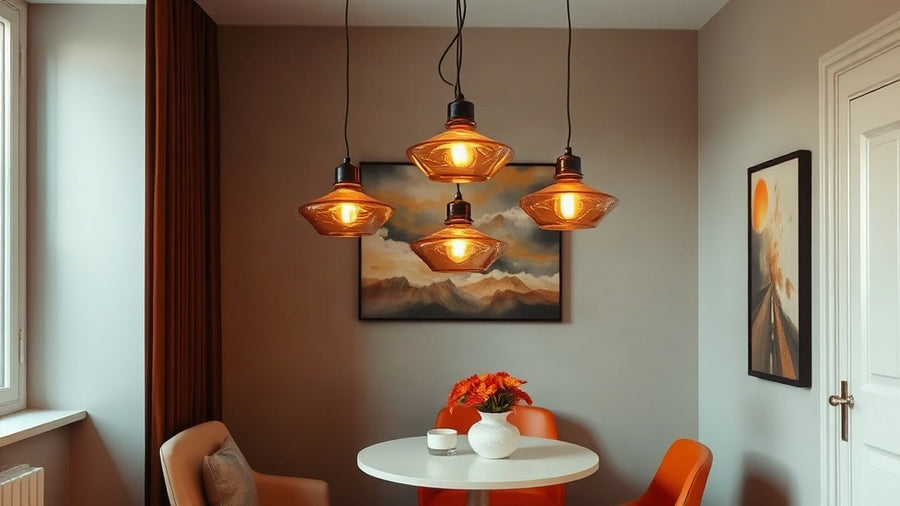
Le verre de Murano vintage original implique des coûts de prescription élevés et des contraintes de disponibilité. Les fabricants contemporains répliquent désormais les méthodes de production authentiques du verre italien des années 70 — techniques de soufflage à la bouche, palettes de couleurs d'époque (ambre, fumé, transparent, dépoli) — à des prix accessibles, adaptés aux projets multi-unités.
Considération clé pour la prescription : vérifiez l'épaisseur du verre (généralement 8-12 mm pour la stabilité) et confirmez les indices de résistance aux UV pour les installations exposées à la lumière directe du soleil.
Applications du design selon les types de projets
Intérieurs résidentiels
Les suspensions en verre italien conviennent particulièrement aux cuisines ouvertes sur salle à manger et aux espaces de caractère. Leurs qualités chaudes et translucides créent une ambiance intime, essentielle durant les mois d'automne et d'hiver. À prescrire en grappes de trois ou en pièces maîtresses individuelles au-dessus de plans de travail ou d'îlots.
Hôtellerie commerciale
Les restaurants, hôtels de charme et bars continuent d'utiliser le verre italien des années 70 comme signature visuelle. Les propriétés acoustiques du matériau (le verre absorbe le son différemment du métal) contribuent à améliorer l'expérience des clients dans les lieux très fréquentés.
Bureaux et espaces de travail
De plus en plus, les projets d'aménagement d'espaces de travail intègrent des suspensions en verre italien dans les zones de détente et les salles de réunion pour humaniser les environnements d'entreprise. Les spécifications de l'éclairage de travail doivent tenir compte de la température de couleur (privilégiez un blanc chaud de 2700K plutôt qu'un neutre de 4000K pour la cohérence esthétique).
Liste de contrôle pour la prescription technique
- Confirmez la capacité de charge du poids du verre par rapport aux fixations au plafond et à la classification structurelle
- Vérifiez la certification électrique selon les normes de construction en vigueur (UK/BS EN 60598)
- Établissez des protocoles de nettoyage et d'entretien (le verre soufflé à la bouche nécessite un soin spécifique)
- Demandez les fiches de données de sécurité des matériaux pour toutes les finitions ou revêtements appliqués
- Confirmez les délais de livraison — les pièces artisanales nécessitent généralement 8 à 12 semaines de fabrication
Sourcing de verre italien authentique
À des fins de prescription, travaillez avec des fournisseurs démontrant une documentation de provenance transparente. Les détaillants proposant des reproductions contemporaines de verre italien des années 70 doivent fournir les détails des méthodes de production et les certifications de lots.
La suspension en verre italien représente une catégorie de design mature : elle ne dépend plus des tendances, mais constitue plutôt un choix fondamental pour les architectes en quête de solutions intemporelles et artisanales offrant une performance optique et spatiale mesurable.
Explorez ce style via nos options de suspensions en verre italien et les pièces associées dans notre collection de Luminaires de plafond.
Pourquoi ce style fonctionne
Le bon éclairage ne se contente pas d'illuminer une pièce. Il définit le rythme de l'espace, offre un ancrage visuel au mobilier et permet à une décoration de paraître intentionnelle plutôt qu'assemblée au hasard. Pour les lecteurs arrivant via une recherche, cette section relie l'idée de design à la sélection pratique de produits.
- Crée un point focal clair
- Ajoute chaleur et texture
- S'adapte aussi bien aux pièces contemporaines qu'aux intérieurs d'inspiration vintage
Comment choisir la bonne pièce
Commencez par l'échelle, puis le matériau, et enfin la température de la lumière. Une suspension ou une applique murale doit être proportionnelle à la pièce et aux meubles situés en dessous. Les matériaux naturels ont tendance à adoucir les intérieurs modernes, tandis que les finitions plus sombres peuvent créer un impact graphique plus marqué.
- Vérifiez la hauteur sous plafond et les dimensions du mobilier
- Choisissez une finition qui rappelle d'autres éléments de la pièce
- Utilisez des ampoules chaudes pour les espaces de vie et de repas
Où l'utiliser
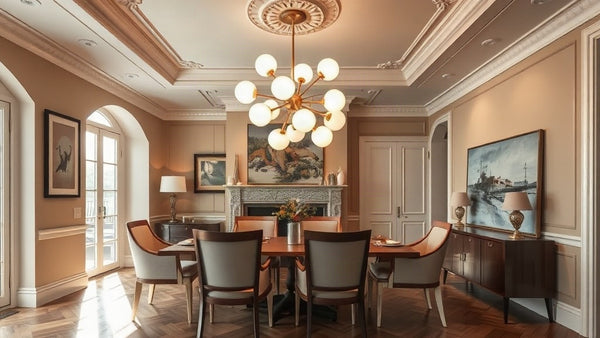
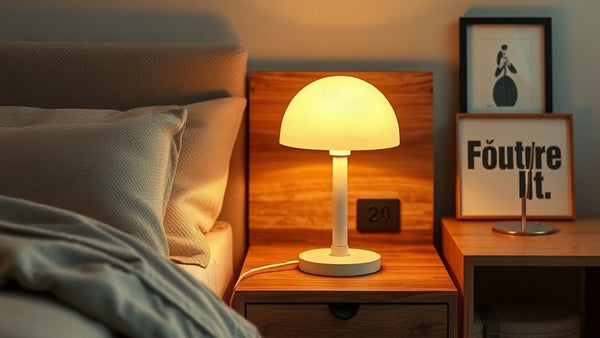
Ce look est particulièrement efficace dans les salles à manger, les chambres, les couloirs et les espaces hôteliers de charme où l'atmosphère est primordiale. Il peut également convenir aux rénovations où un simple changement d'éclairage suffit à parfaire l'aspect de la pièce.
- Tables de salle à manger et îlots de cuisine
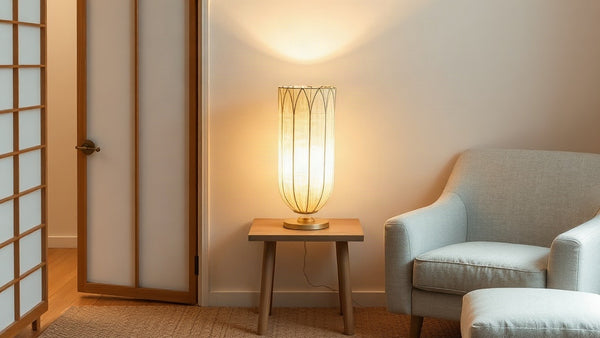
- Chambres et coins lecture
- Couloirs, restaurants et hôtels de charme
Découvrir le style
Pour les produits les plus pertinents, commencez par la pièce phare de l'article et la collection associée. Le prix, la disponibilité et les images des produits sont mis à jour en temps réel via Shopify lors du rendu du modèle.
Voir la suspension en verre italien mise en avant ou parcourez la collection complète associée.
Nauradika Trade