
How can I incorporate sustainable materials into my home design?
|
|
Tempo di lettura 6 min
Hai un account?
Login per effettuare il pagamento più velocemente.

Scoprire nuovi arrivi In illuminazione moderna, arredamento per la casa, E design...
|
|
Tempo di lettura 6 min
This blog discusses how to incorporate sustainable materials into home design, highlighting their environmental benefits and aesthetic appeal. Key topics include understanding sustainable materials, selecting eco-friendly furniture and flooring, utilising low-VOC paints, and integrating greenery. It also offers tips for outdoor spaces and emphasises the importance of shopping sustainably while embracing design trends that reflect luxury and minimalism. Overall, the article encourages creating beautiful, eco-conscious homes that contribute positively to the planet.
The quest for a sustainable lifestyle has led many to rethink their home design choices. Whether you are renovating or starting fresh, incorporating sustainable materials not only benefits the environment but also enriches your living space aesthetically. This guide will explore practical tips on how to make your home eco-friendly, focusing on utilising sustainable materials that contribute to a healthier planet.
Sustainable materials are those that are sourced, produced, and disposed of in a way that minimises environmental impact. In recent years, there has been an impressive shift towards using materials that are not only durable but also eco-conscious. Some common types of sustainable materials include:
Incorporating sustainable materials into your home design doesn’t have to mean sacrificing style. Here’s how to seamlessly integrate these materials into your décor:
When furnishing your space, opt for pieces made from reclaimed wood or certified sustainable sources. A natural wood vase can add a lovely, organic touch to your interior while serving as a stylish reminder of nature inside your home. Look for local artisans who craft furniture from environmentally responsible materials; they often have unique designs that stand out.
Flooring is one of the most impactful areas to implement sustainable design. Bamboo and cork are excellent eco-friendly options. Both materials are durable, attractive, and harvested responsibly. Furthermore, they offer excellent insulation and comfort underfoot, making them ideal for various rooms.
Consider using low-VOC (volatile organic compounds) paints and natural plaster for painting and finish treatments. These options reduce indoor air pollution and contribute to a healthier living environment. Additionally, reclaimed bricks or sustainable wood panelling can provide striking accents to your walls, promoting an architectural statement with a low carbon footprint.
Integrating sustainable elements into your home doesn’t stop at major structures; your décor choices also matter. Here are a few sustainable décor ideas:
Choose curtains, cushions, and rugs made from organic or recycled materials. Look for brands that prioritise sustainable production practices. Natural fabrics such as linen, hemp, and organic cotton do not only offer environmental benefits, but they also provide an aesthetically pleasing and comfortable living space.
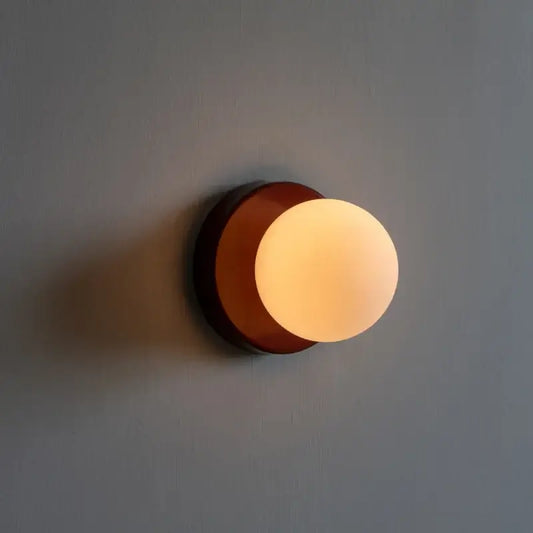
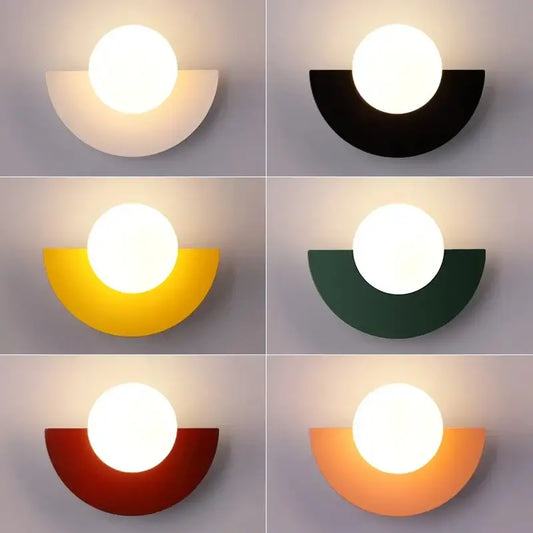
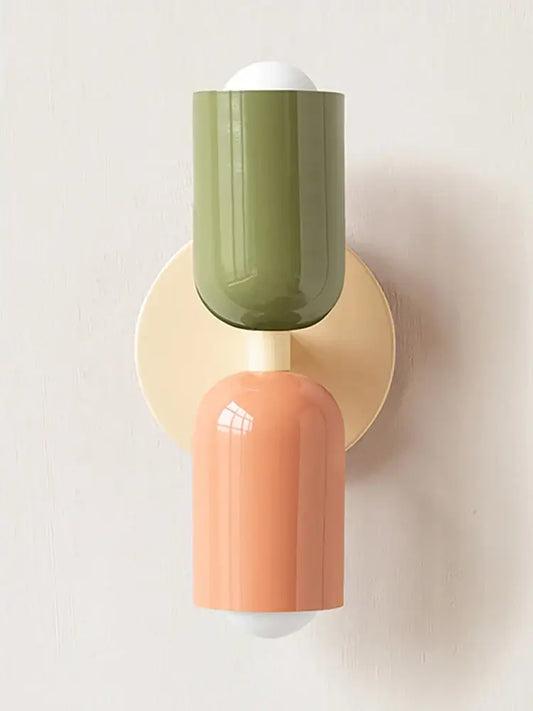
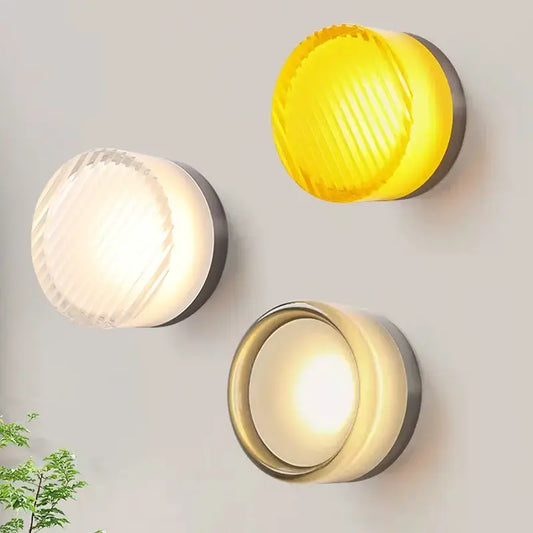
Light fixtures crafted from salvaged materials not only showcase creativity but also help reduce waste. Consider energy-efficient LED bulbs for lower energy consumption. Innovative designs can become an eye-catching focal point in any room.
Incorporating plants into your home is a simple way to add life and colour while improving air quality. Opt for native species that require less water and maintenance to thrive. Create stunning displays using sustainable planters made from recycled materials or natural wood.
Your outdoor areas can also benefit from sustainable materials. Here are a few ways to ensure your garden or patio is eco-friendly:
Choose outdoor furniture made from sustainable materials such as teak or recycled plastic. These durable options require less maintenance and have a longer lifespan, making them cost-effective over time. Enhance your outdoor aesthetics with a natural wood vase that can beautifully hold fresh or dried flowers.
Opt for native plants for landscaping, as they require minimal irrigation and provide habitats for wildlife. Incorporating hardscapes made from permeable materials helps manage stormwater runoff and prevents erosion in your outdoor area.
The benefits of utilising sustainable materials in your home design are plentiful:
Interestingly, some decorating trends for hotel rooms can seamlessly transfer into your home design while maintaining a sustainable ethos. Think of creating a luxurious vibe with eco-friendly elements. You can achieve high-end aesthetics using ethical materials that echo the opulence found in upscale hotels.
Adopting a minimalistic style is very much in vogue. This trend promotes fewer but higher-quality pieces, which naturally aligns with sustainable living. Aim for timeless designs that value craftsmanship over volume. By investing in durable, sustainable materials, you ensure a stylish yet responsible home.
Bringing the outdoors in is a trend that has gained incredible momentum. Integrate features like wooden beams, stone accents, and large windows that allow natural light to flood in. This design philosophy keeps a close connection to nature, enhancing the overall atmosphere of your home.
The shift toward sustainable home design has resulted in a wealth of options available in the market today. When shopping, keep the following tips in mind to ensure you are making truly sustainable choices:
As an increasing number of consumers value sustainability, the landscape of home design is evolving. Innovations in sustainable materials and technologies continue to emerge. Keeping abreast of these developments ensures that your home can contribute positively to the environment while being stylish and functional. The fabric of our planet ought to inspire us to create spaces that honour it, and embracing sustainable materials is one of the most impactful ways to do so.
Your home can be a testament to sustainability, beauty, and innovation. By thoughtfully incorporating sustainable materials into your design, you not only contribute to the health of our planet but also create a serene, stylish sanctuary for yourself and your loved ones. Start your journey towards a more sustainable home today—every little choice adds up to significant change!

The Unique Eco-friendly Wooden Vase is crafted from real hardwood, offering a natural aesthetic that complements various home design styles. Its distinctive design not only serves as an elegant decor piece but also promotes sustainability by utilizing eco-friendly materials. Ideal for showcasing flowers or as a standalone accent, this vase adds a touch of warmth to any space.
View ProductTi piace la nostra rivista? Il nostro negozio ti piacerà ancora di più, con tutti i suoi articoli per la casa, l'illuminazione moderna, gli utensili da cucina e le decorazioni da parete selezionati. Ti consigliamo inoltre di iscriverti alla nostra newsletter o di seguirci sui social media per scoprire le novità, le promozioni e i codici sconto.