
How do I choose the right furniture layout for my space?
|
|
Time to read 6 min

Discover new arrivals in modern lighting, home decor, and Scandinavian design—updated weekly...
|
|
Time to read 6 min
Maximise your home's comfort and style by understanding your space, selecting key furniture pieces, ensuring smooth movement, and incorporating personal touches. Test layouts before finalising, adapt as needed, and stay inspired by design trends to create a functional and inviting environment.
When it comes to creating a home that feels both vibrant and functional, the layout of your furniture plays a crucial role. Whether you're revamping a small apartment or redesigning a spacious living room, making informed decisions about your furniture arrangement can lead to enhanced comfort and aesthetics. In this guide, we will explore the art of furniture layout, ensuring you maximise your space while achieving a beautiful design that reflects your personal style.
Before diving into various furniture arrangements, it's essential to understand the space you're working with. Each room will have unique features, such as natural light sources, architectural elements, and existing furniture that can influence how you arrange new pieces.
Start by measuring the dimensions of your room, including doorways, windows, and any architectural features such as columns or fireplaces. These measurements will provide a clear understanding of how much space you have to work with.
Every room has a specific purpose, and the furniture layout should support that function. Consider how you plan to use the space and the activities that will take place there.
If the room is meant for socialising, such as a living room or family room, focus on creating an inviting layout that encourages interaction. Arrange sofas and chairs in a circle or a U-shape to promote conversation. Be mindful of the placement of any designer table lamps wholesale to provide adequate lighting without obstructing the flow of movement.
In spaces meant for work or study, such as an office or reading nook, ensure your desk and seating promote productivity. Position your desk near a window for natural light, and choose a comfortable chair that encourages focus. Use area rugs to visually define the workspace, helping it feel separate from the rest of the room.
One of the most critical aspects of furniture layout is ensuring a smooth flow of movement throughout the space. You want to avoid creating bottlenecks or making it difficult to navigate through the room.
Allow for at least 60cm of space between larger pieces of furniture to enable easy movement. This distance helps facilitate conversation and encourages a relaxed atmosphere. In tighter spaces, opt for multi-functional furniture that can be easily moved or tucked away.
Every room needs focal points—key pieces that draw the eye and set the tone for the space. These can be your larger items, such as sofas, beds, or dining tables.
Choose a central item to draw attention. If you have a stunning view outside, arrange your seating to face those windows. Alternatively, if you want to highlight a beautiful Nordic minimalist wall clock or a statement piece of art, arrange your furniture around that focal point to enhance its prominence.
In smaller spaces, opting for multi-functional furniture can be a game changer. Consider items like a sofa bed or extendable dining table that can adapt to your needs. These pieces not only save space but also add versatility to your layout.
After placing your significant pieces, think about layering to create depth and interest within your space. This involves adding smaller items like throw pillows, decorative objects, and lighting fixtures.
Area rugs can help define spaces, especially in open floor plans. Choose a rug that complements your furniture layout, aiming for at least the front legs of your furniture to sit on the rug to create cohesion. Layer textiles, such as cushions or curtains, to soften the space and add warmth.
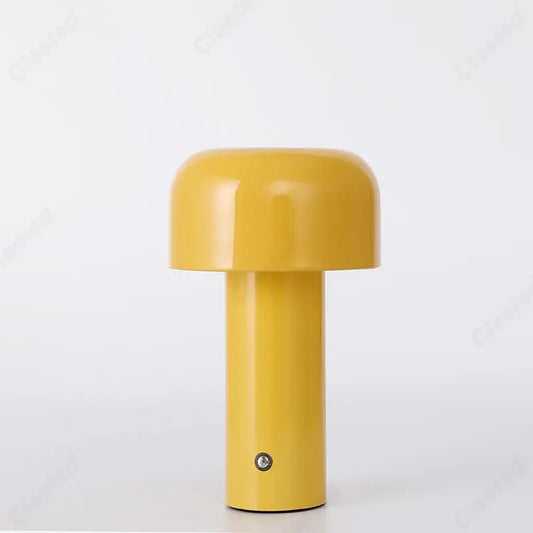
Lighting can dramatically change the mood of a room and should not be overlooked when planning your layout. Incorporate a mixture of lighting types, including ambient, task, and accent lighting. The right placement of a designer table lamp wholesale can add warmth and highlight specific areas of the room, enhancing the overall ambiance.
Visualising your layout is essential, but once you have a plan, it's wise to test it out. Use masking tape to outline furniture placement on the floor to see how it feels. This tactic can help you understand flow and spacing before making any permanent arrangements.
Pay attention to the traffic patterns in your room. High-traffic areas should remain clear of obstacles. For instance, avoid placing furniture in the path between entries and exits, which can lead to frustration and a cluttered feel.
Your furniture layout should reflect your personal style while staying functional. Consider the following tips to ensure your unique taste shines through:
Furnishing a space is not necessarily a one-time event. As life circumstances change, so may your needs. Stay flexible and ready to adapt your layout as required or inspired by new trends.
Consider making seasonal adjustments to your layout. You might want to create an open space in the summer for gatherings or cosy up the furniture during the winter by arranging it closer together for warmth and conversation.
Keep up with interior design trends and ideas by following design blogs, visiting showrooms, and attending exhibitions. Find inspiration from various sources, including Nordic minimalism, contemporary styles, or vintage charm. Allow these inspirations to inform your layouts while maintaining your unique touch.
Now that you are armed with practical tips and knowledge on choosing the right furniture layout for your space, it's time to put this information to good use. Embrace the creativity involved in arranging your furniture, allowing it to reflect your style while providing functionality. Remember, a well-planned furniture layout has the power to transform your living space into a sanctuary of comfort and aesthetics. Happy decorating!

The Nordic Minimalist Wooden Wall Clock offers a stylish and functional addition to any modern home. Its silent operation makes it suitable for spaces where concentration is key, such as bedrooms, studies, or offices. Available in three sizes, this clock seamlessly complements various room aesthetics while providing a timeless touch to your decor.
View ProductLike our Magazine? You will like our store even more with all its curated homeware, modern lighting, kitchen utensils and Wall Art. We also recommend that you sign up to our newsletter or follow us on social media to find out about our news article releases, promotions and discount codes.