Enhancing Your Living Space: The Importance of Interior Design
Updated for 2025: Exploring Light, Color, Materials, and Timeless Influences
Introduction
Interior design is more than just arranging furniture—it is the art and science of shaping spaces to improve how we live, feel, and interact. From psychological comfort to functional beauty, well-considered interiors influence mood, behavior, and overall quality of life. In our ever-evolving world, design now also reflects broader cultural, environmental, and technological changes. Thoughtfully designed spaces not only meet physical needs but also enhance emotional well-being, mental clarity, and social connection.
Lighting: Setting the Tone
Lighting is one of the most powerful tools in interior design. It defines spatial boundaries, enhances architectural details, and influences our circadian rhythms. The right lighting plan can elevate even the simplest room into a layered, multi-functional experience.
Creating Ambiance
Layered lighting—ambient, task, and accent—is key to building ambiance. General lighting ensures functionality, task lighting supports focused activities, and accent lighting draws attention to artworks or architectural features. Together, they provide both flexibility and emotional impact.
Smart Lighting Technology
Smart home systems now allow for programmable lighting that adjusts with time, mood, and activity. Circadian lighting, for example, mimics natural daylight patterns, improving sleep and productivity. Mobile apps and voice-activated controls make these solutions more accessible than ever.
Warm Light in Contemporary Design
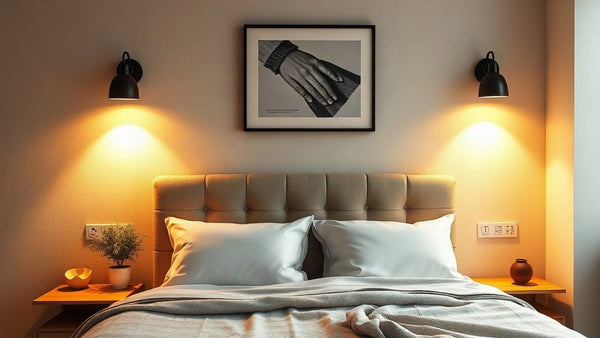
Warm light fosters intimacy and relaxation. In contrast to cool-toned LEDs, warm lighting works beautifully in living rooms, dining areas, and bedrooms. It softens textures, flatters skin tones, and creates a sense of welcome—ideal for hospitality spaces as well.
Fixture Design and Style
Fixtures themselves are design statements. Sculptural pendants, retro floor lamps, and minimalist sconces double as artistic features. Designers now often treat light sources as part of the room's visual storytelling—using materials like smoked glass, brass, and matte ceramics to express character and tone.
Color: Evoking Emotion and Personality
Color is a language. It speaks to our emotions, memories, and cultural identities. In design, color establishes harmony, contrast, or surprise. It can calm the nervous system, energize a workplace, or evoke nostalgia and belonging.
Understanding Color Psychology
Cool tones like blue promote calm and focus, ideal for bedrooms or home offices. Warm tones like red and orange stimulate conversation and appetite—popular in dining and social spaces. Neutrals like grey and beige provide grounding, while accents like gold, teal, or mustard yellow add vibrancy and identity.
Color in Spatial Perception
Light colors expand a space, while dark hues add depth and intimacy. Strategic use of color can manipulate perception—making ceilings feel higher, corridors appear longer, or rooms seem more cohesive. Color zoning is especially useful in open-plan homes to delineate functions without physical dividers.
Trends vs. Timelessness
While color trends emerge each year—such as earthy greens, muted terracottas, or deep navies—it’s important to balance them with personal taste and long-term vision. A timeless palette forms the backdrop for evolving styles, seasonal décor, and personal expression.
Material Matters: Texture, Warmth, and Authenticity
Texture is the unsung hero of interior design. It’s how a space feels—literally and emotionally. Materials like wood, stone, glass, and textile offer both aesthetic richness and sensory engagement. As we spend more time at home, tactile comfort has become central to modern interiors.
Natural Materials
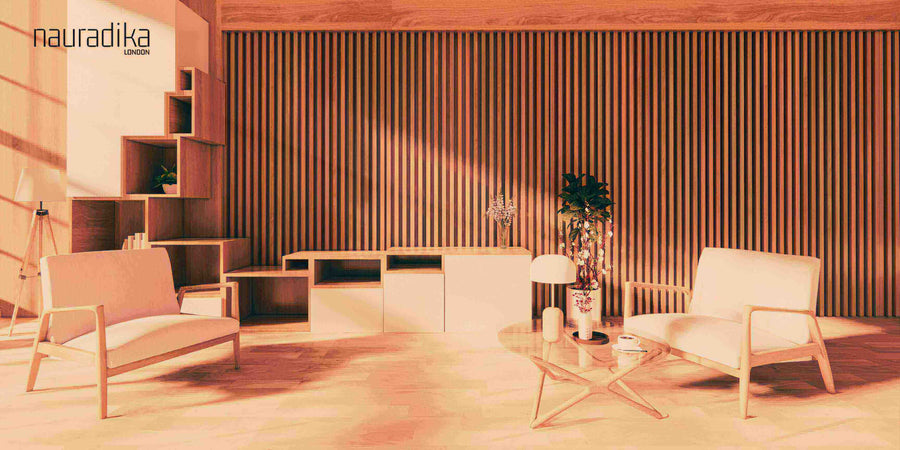
Wood provides warmth, especially when used in flooring, cabinetry, and furniture. It can be rustic, refined, or modern, depending on the grain and finish. Stone—whether polished marble or rough-hewn travertine—adds gravitas and durability. Bamboo, linen, wool, and clay are also gaining favor for their sustainability and artisanal appeal.
Contrasting Textures
Pairing soft with hard—like velvet against steel, or leather atop concrete—adds visual interest and emotional complexity. Layering materials allows designers to tell a richer story, especially when mixing eras, such as a vintage textile on a contemporary sofa.
Sustainable Choices
More designers now prioritize low-impact materials, circular design practices, and ethical sourcing. Reclaimed wood, recycled glass, and biodegradable fabrics are part of a growing movement to build more responsible spaces that are both beautiful and conscientious.
Layout and Flow
Space planning is at the core of good interior design. An effective layout enhances movement, supports functionality, and provides comfort. Whether it’s an open-concept loft or a compact studio, the goal is to make each square meter work.
Functional Zones
Rooms today serve multiple purposes: kitchens become home offices, living rooms turn into classrooms, and bedrooms double as meditation areas. Delineating zones through rugs, furniture arrangement, or lighting creates order within flexible layouts.
Ergonomics and Accessibility
Good design considers all users. From accessible countertops to universal lighting controls, interior environments should accommodate a range of physical abilities. Thoughtful ergonomics also reduce fatigue and injury, especially in high-use areas like kitchens and workspaces.
Global Influences and Design Heritage
Japanese Simplicity
Embracing "wabi-sabi," the Japanese aesthetic values imperfection, simplicity, and nature. Minimalism here is not a style but a philosophy—an intentional, mindful relationship with space. Tatami mats, sliding screens, and low-profile furniture reflect this quiet elegance.
Scandinavian Functionality
Nordic design champions practicality, coziness (hygge), and light. Pale woods, monochromatic palettes, and compact furniture define the style, which adapts beautifully to small spaces and cold climates alike.
Mid-Century and Atomic Age Design
The 1950s–70s produced iconic silhouettes and experimental materials. From the ergonomic chairs of Eames to the bold graphics of Memphis Design, this era introduced personality and play into modernism, influencing everything from color palettes to lighting profiles.
Technology and the Future of Interior Design
The digital age has brought rapid innovation to design practice. Augmented reality tools, AI-assisted floorplans, and virtual showrooms have made professional design more accessible and interactive.
Smart Home Integration
Voice-activated lights, climate control, and adaptive blinds are no longer luxuries—they are becoming standard in contemporary homes. Designers now collaborate with technologists to integrate seamless automation into everyday life.
AI and Virtual Design
AI tools like DALL·E and Interior AI are reshaping early concept development. Clients can preview styles, experiment with layouts, or simulate lighting in real time—making collaboration smoother and more immersive.
Conclusion
Interior design is a multi-layered discipline that affects not just how a space looks, but how it functions, feels, and evolves with us. From light and color to material and layout, each decision contributes to the overall experience of a place. As our lives grow more complex and our time indoors increases, investing in meaningful, personalized design is no longer a luxury—it is a necessity for well-being, creativity, and joy.
Updated and expanded for 2025.
Nauradika Trade