Master Your Space: Furniture Arrangement for Flow
|
|
Time to read 5 min

Discover new arrivals in modern lighting, home decor, and Scandinavian design—updated weekly...
|
|
Time to read 5 min
Arranging furniture can feel overwhelming, especially when you want your home to reflect both style and practicality. The layout of your furniture significantly impacts not just the aesthetics of your space, but also how you navigate and utilize it. Whether you're transforming a cozy nook or an expansive living area, optimizing flow is essential. In this guide, we'll delve into proven techniques for arranging furniture to achieve an effortlessly stylish and functional arrangement, while subtly incorporating elements like modern wall lighting and mid-century modern designs.
Flow refers to the natural movement throughout a space. Good flow allows for comfortable navigation, making your home feel welcoming. When planning your layout, consider the sequence of movement from one area to another. Here are some principles to keep in mind:
Identify how each room will be used. For example, a living room may serve multiple purposes: family gatherings, socializing with friends, or relaxation. Define the main activities that will take place in each space and tailor your layout accordingly. This targeted approach helps ensure that your furniture arrangement facilitates the intended activities.
Every room should have a focal point, whether it’s an attractive piece of furniture, an artwork, or a feature like a fireplace. Arrange your seating and traffic patterns to highlight this focal point. For instance, in a living room dominated by a stunning mid-century modern couch, consider positioning two armchairs on either side to create a conversational zone that draws the eye in and invites interaction.
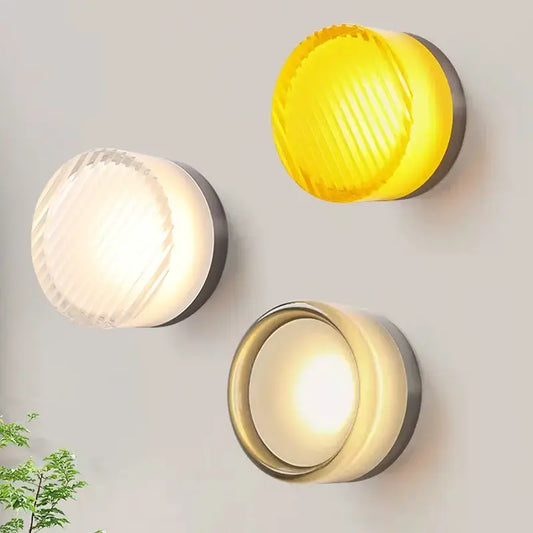
One of the most critical aspects of flow is ensuring that pathways remain clear. When arranging furniture, envision how people will move through the space. Aim for at least 24-36 inches of space for pathways. Incorporating stylish modern wall lighting can enhance pathways by illuminating areas that might otherwise be dim and uninviting, thereby guiding people through your home.
Area rugs can effectively delineate different functional areas within an open floor plan. For example, a large rug under a coffee table can signify the gathering zone, while another under a dining table establishes the dining area. This visual distinction encourages movement between the spaces without feeling disjointed.
The mid-century modern design approach is characterized by clean lines, functional forms, and a palette that blends warmth with minimalism. When including mid-century modern furniture, ensure that each piece interacts harmoniously with its surroundings. For instance, a sleek wooden sideboard can double as both storage and a display area and can serve to seamlessly transition between spaces while providing visual interest.

Don't hesitate to mix styles! Combining modern aesthetics with pieces that reflect your personality creates a curated look. Just be mindful of balance—ensure that no single style overwhelms the space. A modern wall lighting fixture can add a contemporary touch even to a mostly traditional room, bringing in a fresh element that enlivens the arrangement.
Choosing furniture that suits the scale of your room is vital for achieving flow. A small room filled with oversized furniture will not only look cluttered, but it can also impede movement. Conversely, small pieces in a large room may get lost. Aim for a balanced proportion that allows your space to breathe.
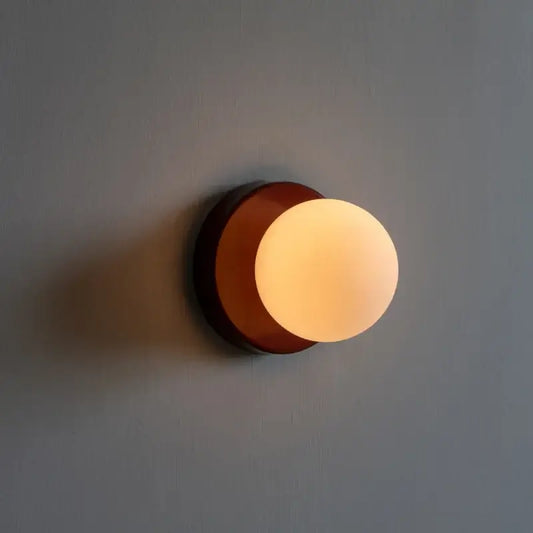
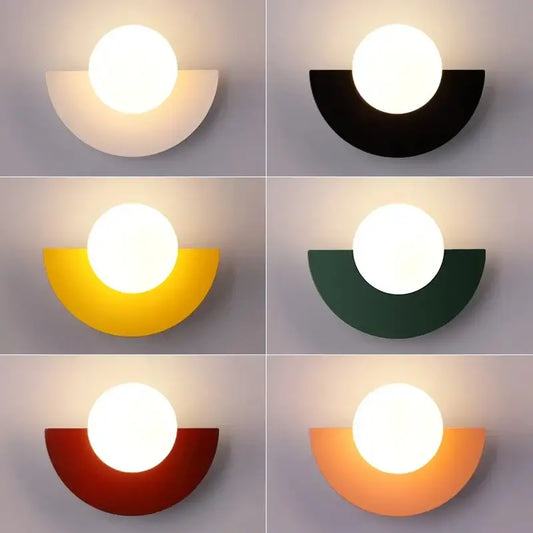
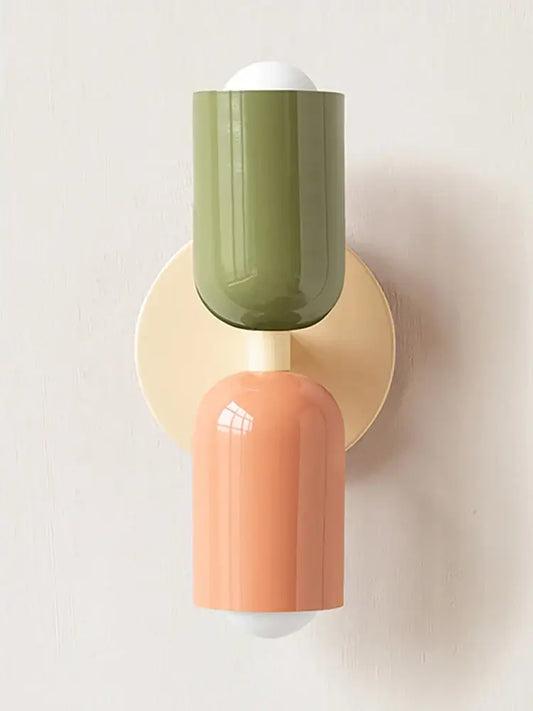
Effective lighting contributes significantly to the flow of your home. Layer different types of lighting—ambient, task, and accent—to enhance visually as well as functionally. Consider integrating modern wall lighting within your design to lend depth and create an inviting atmosphere. This approach not only improves the aesthetic feel of a room but also guides movement through thoughtful illumination.
It’s okay to price enter and adjust your furniture arrangement until it feels just right. Live with your space and observe how it functions: do people gravitate toward certain areas? Is there clutter in any specific space? Adjust your arrangement based on real-life usage patterns.
In smaller areas, utilize vertical space to create flow. Use taller bookshelves or floating shelves to keep the floor area clear. Positioning these pieces strategically can draw the eye upward, making the room feel larger while also providing a dynamic visual element.
Arranging furniture for optimal flow is both an art and a science. By focusing on the purpose of each room, ensuring clear traffic paths, leveraging focal points, and embracing a mix of styles, you can create a beautiful and functional living space. Incorporating elements like modern wall lighting or mid-century modern furniture can further enhance your design scheme, while simply living in and enjoying your environment will ultimately guide you toward the best layout for your needs.
Arranging furniture is an opportunity to express your personality and improve your quality of living. Remember, there's no one-size-fits-all approach, and the perfect arrangement is one that works for you and your lifestyle. Embrace the process of trial and error, and don’t hesitate to pull inspiration from various design styles. As you embark on your furniture arrangement journey, consider how elements like modern wall lighting can make your space shine. Happy decorating!
Like our Magazine? You will like our store even more with all its curated homeware, modern lighting, kitchen utensils and Wall Art. We also recommend that you sign up to our newsletter or follow us on social media to find out about our news article releases, promotions and discount codes.