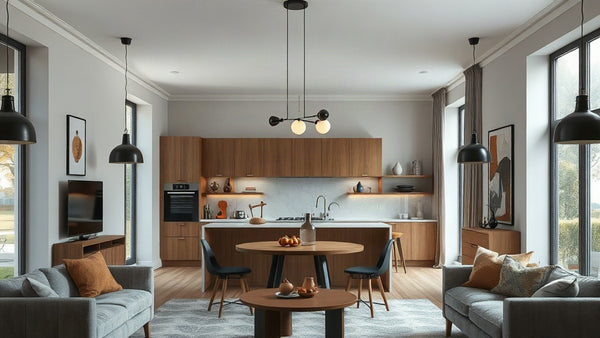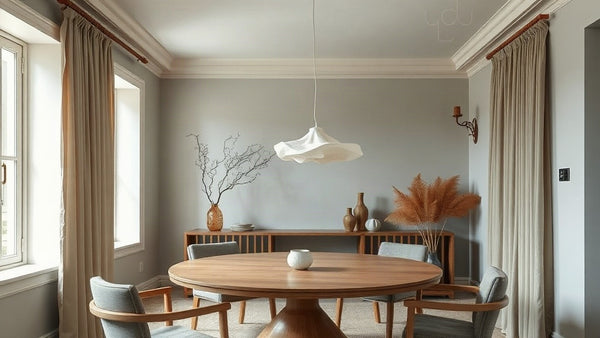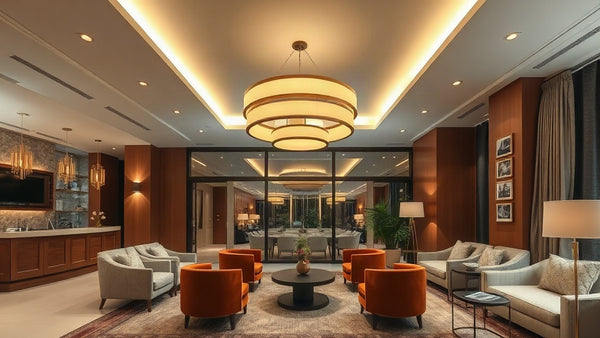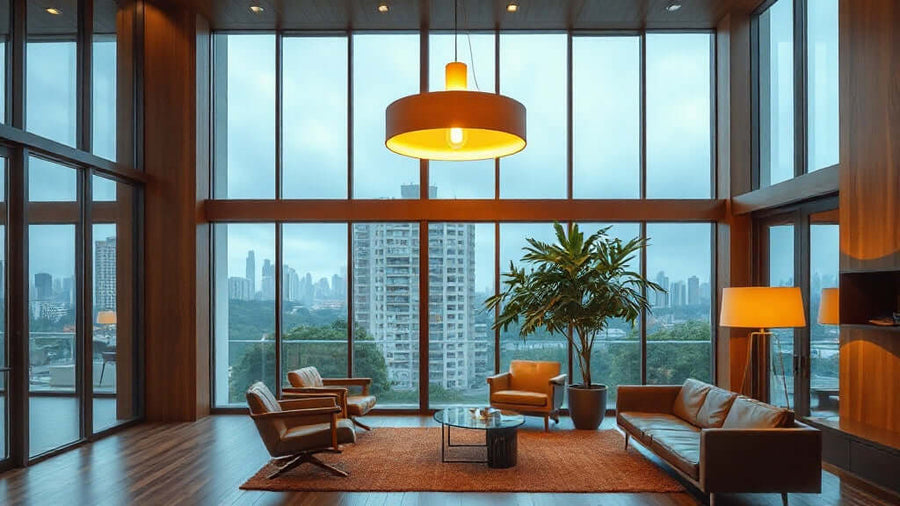
There's something about summer light that makes you reconsider everything in your home. The longer days expose every corner, every shadow, every dated fixture—and suddenly that kitchen renovation you've been putting off feels urgent. If you're planning to refresh your space this season, a Danish pendant light might be exactly what you need. Not just for the illumination, but for the sense of clarity and calm that Scandinavian design brings to any room.
The timing is perfect, too. Recent reporting on lighting trends reveals that glass lamps are dominating Danish interiors right now, and for good reason—they bounce light beautifully and feel entirely suited to the brightness of the season. Whether you're working with a period property or a contemporary open-plan kitchen, there's a Danish kitchen pendant waiting to transform your space.
Understanding What Makes a Danish Pendant Light Different
Before you start shopping, it helps to understand what you're actually looking for. A Danish pendant light isn't just any hanging fixture; it's a design philosophy made tangible. These pieces emerged from mid-century Scandinavia, where designers approached lighting with the same honesty and restraint they brought to furniture. Form follows function, ornamentation is minimal, and beauty comes from proportion and material quality rather than fussy details.
This matters when you're renovating because it means a Danish pendant light will work harder for your space than a trend-led piece. In five years, when maximalism falls out of favour (again), your elegantly proportioned glass or teak pendant will still feel exactly right.
Glass, Metal, and the Summer Light Question
The current dominance of glass in Danish interiors isn't accidental. As days lengthen and natural light increases, glass—whether clear, frosted, or smoked—allows you to control and distribute that light without fighting it. A pendant with a glass shade will diffuse harsh afternoon sun while still feeling connected to the brightness outside. Metal components (usually brass, copper, or matte black) provide the visual weight that keeps the whole composition grounded.
If you're renovating a kitchen with limited natural light, choose a clearer glass Danish kitchen pendant. For spaces flooded with sun, frosted or coloured glass will soften the glare while maintaining that distinctly Scandinavian aesthetic.
Measuring Your Space: The Numbers That Matter
This is where practicality meets aspiration. You can fall in love with a Danish pendant light in a photograph, but if it's the wrong size for your space, even the most beautiful design becomes a frustration.
Height and Headroom
- From worktop to shade base: Aim for 65-75cm. This keeps the light out of your sightline while you're working but low enough to illuminate tasks effectively.
- From ceiling to lowest point: Measure from your ceiling to the tallest feature below (your head, a tall cabinet, a kitchen island). Subtract 20cm for safety and proportion. This is your maximum drop length.
- In rooms with low ceilings: Look for flush or semi-flush Danish style chandeliers instead, which provide the design language you want without requiring significant drop.
Diameter and Visual Weight
A pendant shade typically ranges from 20cm to 40cm in diameter. For a single pendant over a small prep area, 25-30cm works beautifully. For islands or dining tables, you can go larger, or consider multiple pendants spaced 75-90cm apart. The rule is this: your pendant shouldn't visually overwhelm the space below it, but it should be substantial enough to feel intentional rather than timid.
Choosing Between Single and Multiple Pendants
This decision shapes the entire aesthetic of your renovation. A single Danish pendant light creates drama and focus—perfect for a small kitchen or a feature corner. Multiple pendants suggest rhythm and generosity; they're ideal for islands or open-plan spaces where you need to define zones without walls.
If you're choosing multiple fixtures, you don't need them to be identical, though they should share a design language. Pairing two similar Danish kitchen pendant styles with a third in a complementary finish (say, two glass and one ceramic) creates sophistication rather than matchy chaos.
Material Choices for Summer Brightness
Summer light is unforgiving but also revelatory. It shows off materials beautifully when you choose well.
Glass
Clear glass is the summer star. It's transparent, practically invisible, and lets light do the work. Frosted glass softens and diffuses; coloured glass (amber, grey, smoky blue) becomes luminous when lit from within.
Ceramics and Stoneware
A Danish pendant light crafted from ceramic has a particular warmth. These often feature hand-glazed finishes that catch light subtly. They're especially lovely in kitchens with natural wood elements.
Metals
Brass and copper warm in summer light; matte black or dark metals provide contrast and definition. Mix metals within your renovation for contemporary sophistication.
Navigating the Nauradika Collection
Our Scandinavian fixtures collection includes carefully curated Danish pendant lights at prices that make mid-century modern accessible. We stock the classics—the pieces that defined the movement—alongside contemporary designs that honour that heritage.
When browsing, look for designer names you recognise (Poul Henningsen, Arne Jacobsen, Verner Panton) and also for unmarked pieces with pedigree evident in their proportions and materials. A Danish pendant light doesn't need a famous name to be genuinely good design.
A Note on Professional Projects
If you're working with an architect, designer, or contractor on your kitchen renovation, ask about our Nauradika trade discount programme. We support professionals who specify beautiful lighting, and there's genuine value in discussing your project with us directly.
Installation and Electrical Considerations
This is where aspiration meets reality: you'll need a qualified electrician. Not because Danish pendant lights are complicated, but because you want the installation done properly. Your electrician should understand the weight requirements (glass and ceramic pendants can be heavier than expected), the drop distance you've chosen, and whether you need dimmer compatibility.
A good electrician will also advise on positioning. A Danish kitchen pendant looks best when it's truly centred over its zone—not off to one side, not fighting with other fixtures. Take time getting this right before installation.
Styling Around Your New Pendant
Once you've chosen your Danish pendant light, consider what surrounds it. Summer kitchens feel best with restraint: white or pale cabinetry, natural wood, clean countertops. Let the pendant be the moment of design interest. Pair it with simple, functional accessories—no clutter competing for attention.
The pendant will cast interesting shadows as the sun moves throughout the day. At midday, you might see geometric patterns on your worktop. At evening, the fixture itself becomes the visual focus. Both are reasons to invest in something genuinely beautiful.
Budget Reality
A well-made Danish pendant light is an investment, but it's typically less expensive than replacing poorly designed fixtures every few years. Budget £150-400 for a genuinely good mid-century or contemporary Scandinavian piece. For something museum-quality or signed by a famous designer, expect to spend more—but you're buying a piece that will outlive trends and possibly outlive you.
This summer, as you're planning your renovation, choose lighting with the same care you'd give to cabinetry or countertops. A Danish pendant light is never just functional; it's the piece that makes everything else in the kitchen feel intentional.
Nauradika Trade