
What key elements should I consider when designing an open-plan space?
|
|
Time to read 6 min

Discover new arrivals in modern lighting, home decor, and Scandinavian design—updated weekly...
|
|
Time to read 6 min
Creating an open-plan space requires careful consideration and planning to enhance functionality and aesthetic appeal. As public spaces and homes increasingly adopt this layout, understanding the key elements to incorporate is vital. In this article, we will explore the foundational components of open-plan design, along with innovative design ideas for boutique hotel projects that can transform any environment. From furniture placement to lighting, discover how to make the most of your open-space layout.
Open-plan spaces are characterised by a lack of physical barriers, promoting seamless interaction among different areas. This layout is highly sought after in modern homes and hospitality venues, as it fosters a sense of community and increases natural light flow. However, with its benefits come challenges that must be addressed effectively:
One of the crucial elements to consider in open-plan design is zoning. Zoning refers to the practice of dividing a space into distinct functional areas while maintaining an open feel. This can be achieved through various methods:
Strategically arranging furniture is vital for defining zones. For instance, using large pieces like a sectional sofa can effectively create a lounging area while leaving the dining space free. Incorporating smaller furniture like stools or side tables can also help delineate areas without blocking sight lines.
Employing different flooring materials or patterns can help demarcate various zones. For instance, hardwood flooring in the dining area and an area rug in the living space could subtly indicate the transition from one function to another, contributing to a cohesive design.
Open-plan spaces can greatly benefit from architectural features such as columns, partial walls, or ceiling variations that help separate areas without completely closing them off. For example, a feature wall painted in a bold colour can add visual interest and demarcate different areas within a space.
Lighting is a fundamental aspect of open-plan design. It not only enhances the ambiance but also guides the flow of traffic. Here are some tips for creating effective lighting solutions:
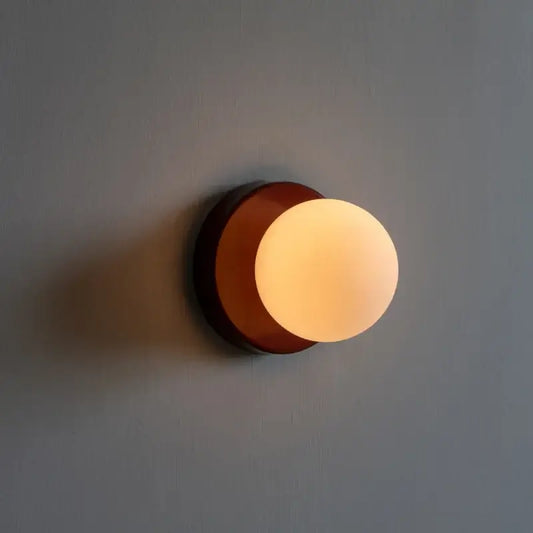
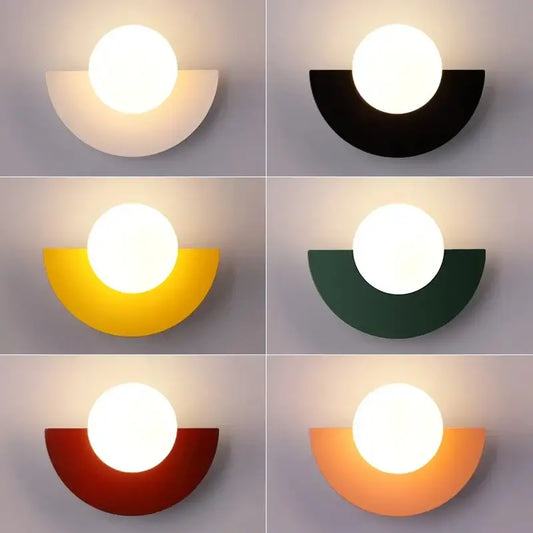
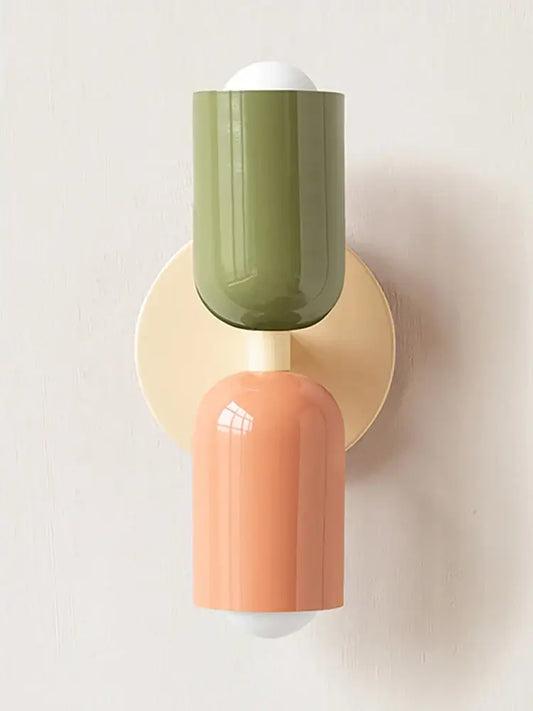
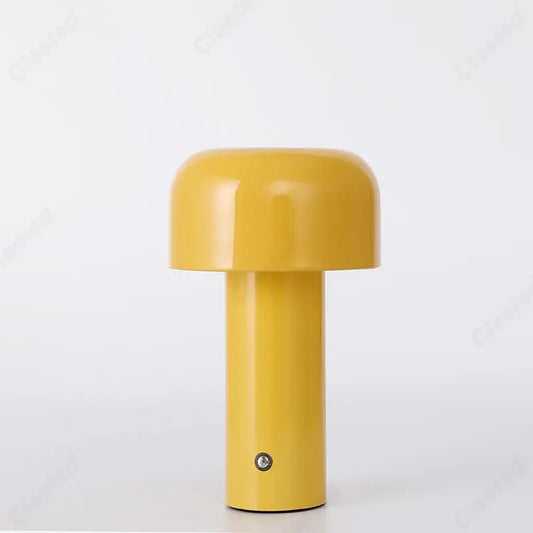
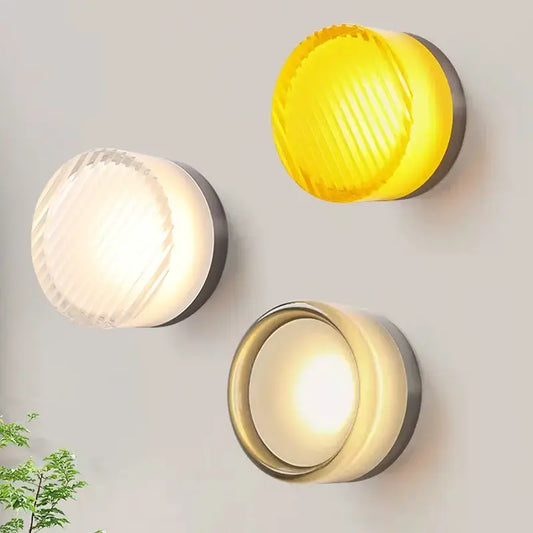
Implementing varied lighting sources—including ambient, task, and accent lighting—can significantly enhance an open-plan space. Ambient lighting provides general illumination, while targeted task lighting, like pendant lights over the dining table, can highlight specific zones. Accent lighting can be incorporated to showcase artwork or architectural features.
Maximising natural light is another critical consideration. Large windows, glass doors, and skylights can create an inviting and airy atmosphere. Choosing lighter window treatments can also allow more light to filter into the space, reducing the need for artificial lighting during the day.
The colour palette and textures you choose play a significant role in how spacious the area feels. Here are a few strategy tips:
Starting with a neutral base allows for flexibility, enabling the introduction of accent colours through accessories, artwork, or even furniture pieces. A neutral backdrop can make areas feel cohesive and spacious while giving you the opportunity to add character through décor.
Incorporating different textures can enhance visual interest and make an open-plan space feel warmer and more inviting. Combining soft textiles, smooth surfaces, and rustic materials helps balance the environment, ensuring that it doesn’t appear flat or monotonous.

Furniture choices greatly impact the functionality and aesthetic of an open-plan space. Here are points to consider when selecting furniture:
In an open-plan layout, choosing multi-functional furniture is paramount. Pieces such as an insulated coffee cup table can double as storage, while sofa beds allow for extra sleeping space. Dual-purpose designs save space and add practicality to your design.
Pay attention to the scale of furniture to avoid overwhelming the space. Oversized pieces in a small area can create a cluttered atmosphere, while too-small furniture can feel lost. Striking the right balance is essential for creating a harmonious open environment.
In any design project, it is essential to inject personal style and branding. Whether it’s in a home or boutique hotel, personal touches can elevate an open-plan space and make it feel unique.
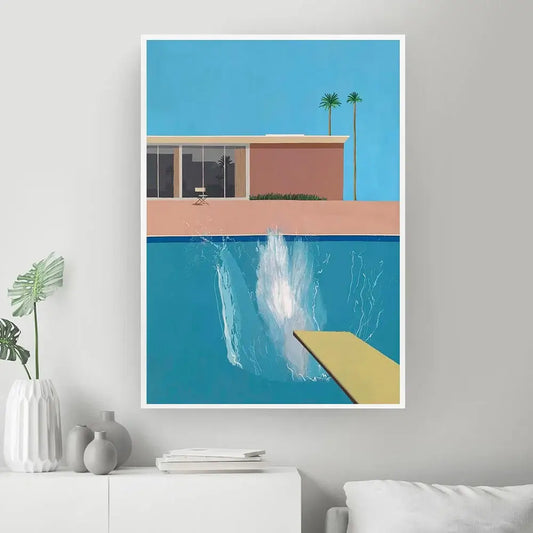
Choosing art that resonates with the occupants or reflects the identity of a space can create a focal point and enhance the overall atmosphere. Accessories such as cushions, throws, and decorative items can complement your colour scheme while adding comfort and personality.
If possible, create a seamless connection to outdoor spaces. Bi-fold or sliding doors can blur the lines between indoor and outdoor environments, offering an extended living space that's particularly valuable in warmer climates. Such connections not only enhance aesthetic appeal but also improve indoor air quality.
Incorporating technology into open-plan design isn’t just about gadgets. It’s about enhancing the user experience while ensuring functionality and comfort.
Smart lighting systems can help tailor the mood of the space at any time, providing versatility for different occasions. Advanced thermostats also ensure the space is comfortable, irrespective of the weather outside, while integrated sound systems can enhance informal gatherings and entertainment.
Embrace cable management systems that keep wires hidden while creating a sleek, tidy environment. This is particularly important in an open-plan layout where disarray can quickly become apparent.
Environmental considerations are becoming increasingly important in design. Whether you’re considering sustainable materials or eco-friendly practices, incorporating these features can enhance your space's appeal and functionality.
Utilising sustainable materials in furniture and finishes not only helps the environment but also elevates the design. Recycled wood, natural textiles, and low-VOC paints create a healthier living environment without compromising on style.
Integrating plants is an excellent way to improve indoor air quality while adding vibrancy to the open-plan space. Choose low-maintenance indoor plants for a touch of nature that complements the design and contributes to a relaxed atmosphere.
Designing an open-plan space is a wonderful opportunity to create a harmonious blend of functionality and style. By considering elements of zoning, lighting, colour, and technology, you can ensure your layout not only looks great but serves its purpose efficiently. Remember, the potential of open-plan living lies in the thoughtful integration of spaces that invite comfort and social interaction. Now is the time to unleash your creativity and transform your open area into a stunning and welcoming environment that leaves a lasting impression. With these tips, you’ll be well on your way to designing a space that truly reflects your vision and meets your needs.
Like our Magazine? You will like our store even more with all its curated homeware, modern lighting, kitchen utensils and Wall Art. We also recommend that you sign up to our newsletter or follow us on social media to find out about our news article releases, promotions and discount codes.