Planning Your Project's Lighting Layer This Spring
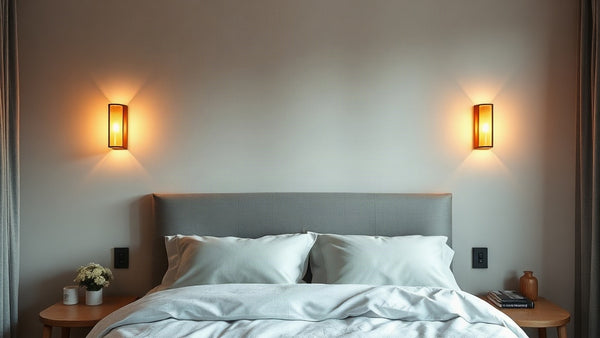
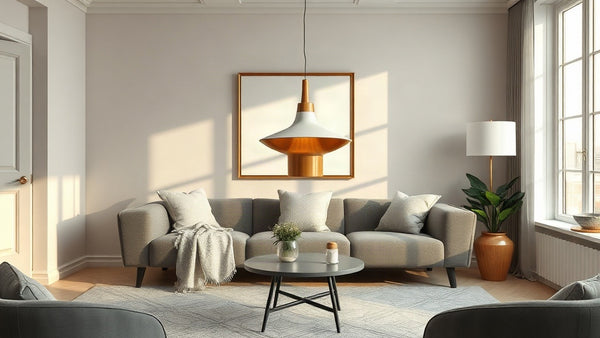
We're in the thick of spring renovation season, and if you're an architect juggling multiple residential or commercial projects, lighting specification is likely sitting somewhere between your structural drawings and your procurement deadlines. It shouldn't be an afterthought. The right luminaire—whether it's a mid-century pendant, a sculptural Scandinavian floor lamp, or a retro-inspired wall sconce—fundamentally shapes how a space functions and feels.
With the Interior Design Show (IDS) Vancouver taking place from September 24–27, 2026 at the Vancouver Convention Center, now is the moment to start thinking strategically about lighting trends, spec options, and supplier relationships that will define your projects through autumn.
Why Lighting Specification Matters in 2026
The relationship between architects and lighting has shifted. Five years ago, many practices still treated luminaires as decorative accessories—specified late, compromised by budget constraints, often delegated to interior designers or contractors. Today, lighting is rightfully recognized as architectural infrastructure. It influences circadian rhythm, impacts employee productivity in commercial settings, determines spatial hierarchy, and carries significant weight in sustainability credentials.
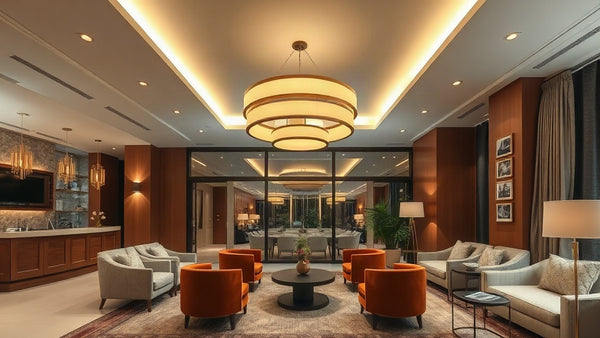
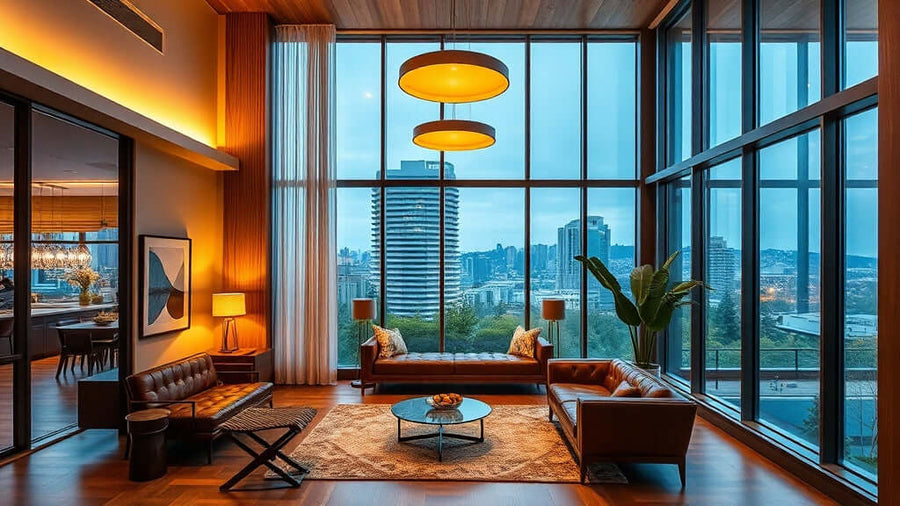
When you're specifying for a boutique hospitality project or a corporate office tenant fit-out, the quality of your lighting decisions ripples through user experience, maintenance cycles, and long-term operational costs. This is particularly relevant as we move deeper into spring—projects greenlit now will be under construction through summer and into autumn, with spec selections needed urgently.
The Case for Designer Lighting at Accessible Price Points
There's a persistent misconception that architect-grade specification means either brutalist minimalism or six-figure bespoke commissions. The reality is more nuanced. The best contemporary practice sources mid-century modern, retro, and Scandinavian lighting—often at accessible price points—because these categories offer:
- Proven spatial logic: Mid-century and Scandinavian design principles were developed specifically to solve real architectural problems—proportion, balance, functional illumination combined with visual refinement.
- Production-ready specifications: Unlike one-off pieces, established designer lighting is manufactured to consistent tolerances, with documented photometric data, warranty terms, and supply chain reliability.
- Commercial viability: A well-chosen retro pendant or modern wall fixture works across residential and commercial contexts without feeling forced or trendy.
When specifying modern lighting solutions, you're not compromising—you're making a defensible design choice backed by decades of precedent.
Interior Design Show (IDS) Vancouver: A Key Moment for Specification Planning
The Interior Design Show (IDS) Vancouver, scheduled for September 24–27, 2026 at the Vancouver Convention Center, arrives at a critical moment in the design calendar. By late September, most spring projects will be in mid-construction. Autumn projects will be entering detailed specification phase. This timing makes IDS Vancouver an essential research and sourcing opportunity.
Industry events like Interior Design Show (IDS) Vancouver serve multiple functions for practicing architects: they're product research platforms, supplier vetting grounds, and conversation spaces where you can discuss technical requirements directly with manufacturers. If you're specifying lighting for five different projects simultaneously, IDS Vancouver gives you concentrated access to vendors, new product releases, and peer conversations about what's actually working in the field right now.
What to Look For When Specifying Lighting
Beyond aesthetics, your specification should address:
- Photometric performance: Lumens, color temperature (CCT), CRI. Commercial spaces increasingly specify 90+ CRI for visual acuity; hospitality often targets 2700K for ambiance.
- Dimming compatibility: Is the fixture compatible with 0-10V, DALI, or wireless control systems? This matters enormously for tenant fit-outs and future flexibility.
- Installation infrastructure: Does your specification assume existing ceiling cavities, new pendant drops, or flush mounting? Early clarity prevents site conflicts.
- Maintenance accessibility: Lamping, ballast replacement, diffuser cleaning. A beautiful fixture that requires specialist service quarterly becomes expensive liability.
- Supply chain resilience: Lead times, stock availability, and what happens if the manufacturer discontinues a model mid-project.
Architects working through spring renovation season right now are facing urgent deadlines. If you haven't locked down lighting specs by June, you're risking August site delivery chaos. The time to establish relationships with reliable suppliers—and to understand their capability, pricing, and flexibility—is now.
Trade Advantages and Professional Partnerships
A professional advantage that many architects underutilize: supplier partnerships. If you're specifying lighting across multiple projects annually, negotiating volume terms becomes sensible. Many retailers offer Nauradika trade discount programmes for architects, interior designers, and contractors who commit to regular specification. This isn't just cost reduction—it's establishing a relationship where you can ask technical questions, request custom lead times, and discuss design intent directly with people who understand specification language.
Practical Specification in 2026
The mid-century modern and Scandinavian aesthetics that dominate contemporary design aren't retro—they're architectural languages with proven functional logic. A Noguchi pendant doesn't get specified because it's "iconic." It gets specified because the diffusion geometry actually works for the ceiling height and aperture you're designing. A Jacobsen egg chair doesn't appear in hospitality projects because of nostalgia. It's because the proportions, material durability, and spatial presence solve specific brief requirements.
Similarly, contemporary retro lighting—designs that draw from 1950s–70s vocabulary but are manufactured with modern LED technology and dimming capability—offers architects a way to deliver distinctive spatial character without sacrificing technical performance or budget predictability.
Looking Toward Interior Design Show (IDS) Vancouver
As you move through May and June with your current project load, start planning your IDS Vancouver attendance. The Interior Design Show (IDS) Vancouver from September 24–27, 2026 at the Vancouver Convention Center will showcase emerging product, connect you with key suppliers in your region, and provide peer context for specification decisions. By September, you'll be in full specification mode for autumn and winter projects—positioning yourself to make informed choices based on what's actually available, what performs well, and what your supply partners can reliably deliver.
Spring is the season of action on current projects. Summer is the season of contingency and problem-solving. Autumn is the season of specification for next year's work. Position your lighting research accordingly, establish your supplier relationships now, and use events like Interior Design Show (IDS) Vancouver to validate your choices and stay ahead of your pipeline.
The Bottom Line
Lighting specification deserves the same precision you apply to structural systems, material selections, and spatial planning. By treating it as architectural infrastructure rather than decoration, by understanding the functional and aesthetic logic behind designer lighting, and by establishing reliable supplier partnerships, you'll deliver better projects faster—and with greater confidence that your specification choices will perform as intended.
Nauradika Trade