Mushroom Lamp Design Returns to Architectural Interiors
Organic geometry is experiencing a decisive resurgence in contemporary interior design, and the mushroom lamp exemplifies this shift perfectly. For architects specifying lighting for residential and commercial projects, the mushroom form offers a compelling alternative to linear and geometric fixtures—delivering visual warmth whilst maintaining functional precision.
The mushroom lamp aesthetic stems from mid-century modernism, where designers prioritised sculptural form alongside practical illumination. Today's iteration reflects current demand for biophilic design principles: soft silhouettes that echo natural forms without sacrificing specification rigour.
Specification Considerations for Mushroom Table Lamps
When selecting a mushroom table lamp for project interiors, several technical parameters require attention:
- Footprint and scale: Mushroom forms typically occupy 200–350mm diameter bases, making them suitable for bedside tables, console surfaces, and office desks without consuming excessive surface area.
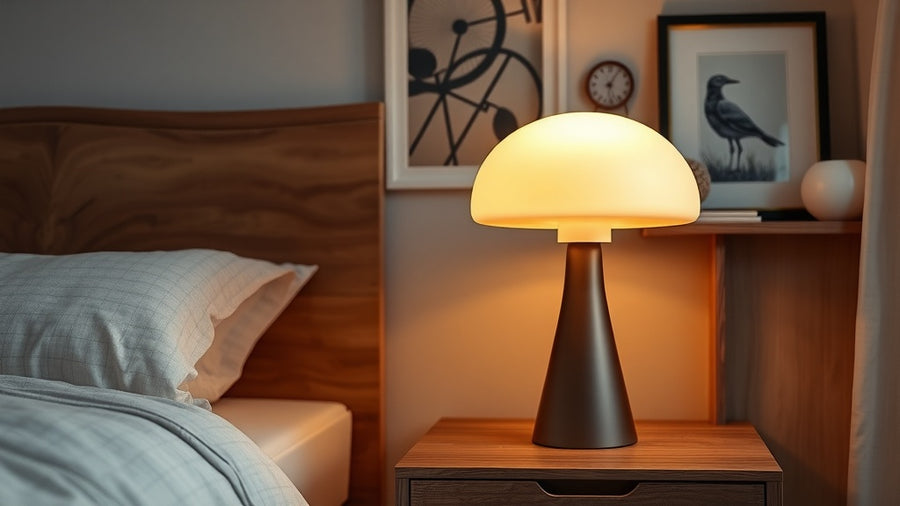
- Light distribution: The inverted bowl shade creates downward-focused illumination—ideal for task lighting whilst the curved form diffuses light softly across work surfaces.
- Material specification: Contemporary mushroom lamps combine ceramic, opal glass, or moulded resin shades with powder-coated steel stems, offering durability and aesthetic consistency across project palettes.
- Dimming capability: Specify units with integrated dimming or compatible dimmer switches for residential schemes requiring ambient flexibility.
Mushroom Wall Light Integration
Beyond table-mounted variants, the mushroom wall light presents opportunities for bespoke accent lighting. Wall-mounted mushroom fixtures work particularly well in hospitality and commercial interiors, where they provide sculptural interest whilst maintaining unobstructed sightlines. Consider placement at 1200–1500mm height to avoid glare whilst creating visual rhythm along corridors or feature walls.
Material and Finish Selection
The colour palette for mushroom lamps aligns naturally with current summer-focused interior trends. Soft whites, warm creams, and soft greys integrate seamlessly into minimalist Scandinavian-influenced schemes. For bolder statements, muted ochres and terracotta-toned ceramics complement earthy material palettes—wood, linen, and natural stone.
Specify finishes carefully: matte ceramics diffuse light more evenly than glossy surfaces, whilst opal glass maintains visual softness whilst providing superior light transmission for task-critical applications.
Practical Project Integration
Residential Applications
In domestic settings, mushroom table lamps work effectively as bedside lighting or study desk illumination. The form feels less institutional than angular task lamps, aligning with contemporary preferences for softer, more organic interiors.
Commercial Specifications
Hospitality design increasingly specifies mushroom-form lighting in guest rooms, lobbies, and restaurant spaces. The sculptural quality creates memorable spatial experiences whilst the compact footprint suits space-constrained commercial environments.
Sourcing Quality Examples
Specify mid-century inspired mushroom lamp designs that balance form with technical performance. Accessible pricing on quality examples means mushroom fixtures needn't compromise project budgets whilst delivering distinctive character.
As organic shapes continue to dominate contemporary design conversations, the mushroom lamp represents a resolved aesthetic solution: proven, functional, and undeniably contemporary.
Explore the look through mushroom lamp options and related pieces in our Floor And Table Lamps collection.
Why this style works
The right light does more than illuminate a room. It sets the rhythm of the space, gives furniture a visual anchor, and helps a decorative scheme feel intentional rather than assembled. For readers arriving from search, this section connects the design idea to practical product selection.
- Creates a clear focal point
- Adds warmth and texture
- Works across contemporary and vintage-inspired rooms
How to choose the right piece
Start with scale, then material, then light temperature. A pendant or wall light should feel proportionate to the room and the furniture below it. Natural materials tend to soften modern interiors, while darker finishes can make a more graphic statement.
- Check ceiling height and furniture dimensions
- Choose a finish that repeats elsewhere in the room
- Use warm bulbs for living and dining spaces
Where to use it
This look is especially effective in dining rooms, bedrooms, hallways and boutique hospitality spaces where atmosphere matters. It can also work in renovations where a single lighting change needs to make the room feel more finished.
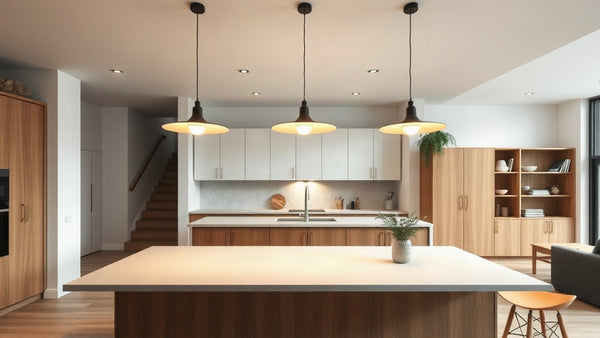
- Dining tables and kitchen islands
- Bedrooms and reading corners
- Hallways, restaurants and boutique hotels
Shop the Look
For the most relevant products, start with the article's featured piece and the matching collection. Product price, availability and images should be pulled live from Shopify when the template renders.
View the featured mushroom lamp or browse the full related collection.
Featured in this guide
View collectionWhy this style works
Frequently asked questions
Nauradika Trade