Outdoor Wall Lights: Essential Considerations for Contemporary Design
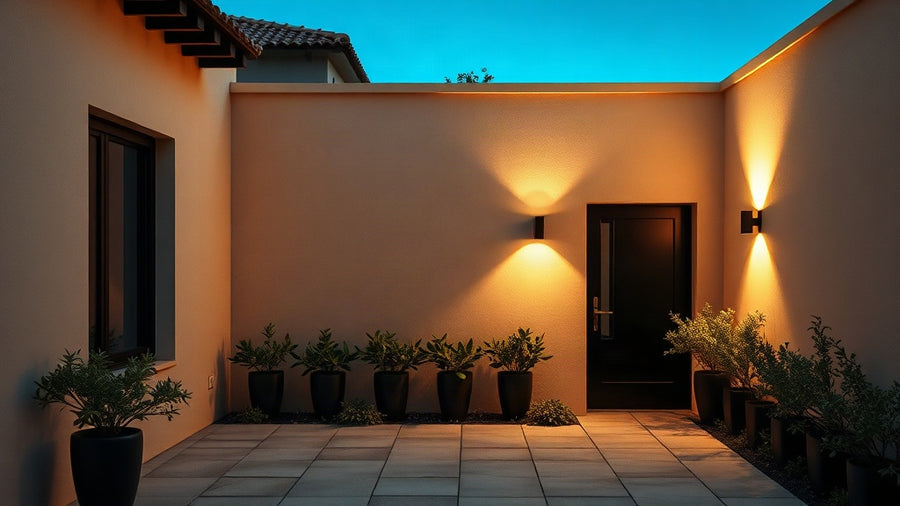
As we move into the darker months, outdoor wall lighting becomes critical to both residential and commercial projects. An effective outdoor wall light serves dual purposes—functional illumination and architectural statement. This guide addresses the specification requirements architects need when selecting garden wall lights for modern developments.
Performance Specifications
When specifying an outdoor sconce, lumens and colour temperature are non-negotiable. Modern exterior installations typically require 800–1200 lumens for ambient pathway lighting, though feature walls may demand 1500+ lumens depending on surrounding reflectance values. Colour rendering index (CRI) of 90+ ensures material finishes—timber cladding, brick, render—read authentically at night.
IP ratings demand scrutiny. Coastal projects require IP65 minimum; IP67 is preferable for exposed positions. Verify material certifications: aluminium should be marine-grade anodised, and any glass components need tempered specification for safety compliance.
Design Integration
Contemporary architecture benefits from restraint in outdoor wall light selection. The mid-century modern aesthetic—clean geometry, honest materials, minimal ornamentation—translates effectively to exterior applications. Scandinavian-influenced designs with their emphasis on functional form work particularly well on residential elevations with dark brick or render finishes.
- Recessed fixtures minimise visual clutter on façades while maintaining wash lighting
- Flush-mount sconces suit contemporary cladding without protruding structural elements
- Linear profiles complement modular architectural compositions
- Asymmetric designs add visual interest without compromising minimalist principles
Energy and Control Strategy
LED technology is now standard specification. Verify lumens-per-watt efficiency; contemporary outdoor wall lights should deliver 100+ lm/W. Smart controls—motion sensors, daylight harvesting, dimming capabilities—reduce energy consumption by 40–60% on commercial projects and improve residential user experience through contextual lighting adjustment.
For listed properties or conservation areas, consult planning authorities before specifying a new outdoor sconce; traditional profiles may be required. Even modern conservation contexts increasingly accept carefully-chosen contemporary fixtures that respect scale and materiality.
Material Durability
Specify powder-coated aluminium, solid brass, or stainless steel for longevity. Avoid mild steel without protective coating. For garden wall lights in high-salt environments, verify coating thickness (typically 80+ microns). Polycarbonate or tempered glass lenses outperform acrylic in UV resistance; plan for 10-year lifespan before lens yellowing becomes noticeable.
Installation and Maintenance
Confirm junction box compatibility and wiring gauge requirements during tender stage. Accessible mounting heights (typically 1.5–2.2m for path lighting) facilitate maintenance and allow for future LED retrofit without full fixture replacement. Ensure IP-rated terminal connections are accessible without removing the entire fitting.
Specification Checklist
- Lumen output and colour temperature (2700K–4000K typical)
- IP rating and material certifications
- Dimming/control compatibility
- Finish durability in local climate conditions
- Planning compliance and aesthetic context
- Maintenance access and LED replacement pathway
Thoughtful specification of outdoor wall lighting elevates architectural intent while meeting performance requirements. Modern outdoor sconces needn't compromise aesthetic vision for technical rigour—contemporary design and practical durability align when specifications are precise from the outset.
Explore the look through outdoor wall light options and related pieces in our Wall Light Fixtures collection.
Why this style works
The right light does more than illuminate a room. It sets the rhythm of the space, gives furniture a visual anchor, and helps a decorative scheme feel intentional rather than assembled. For readers arriving from search, this section connects the design idea to practical product selection.
- Creates a clear focal point
- Adds warmth and texture
- Works across contemporary and vintage-inspired rooms
How to choose the right piece
Start with scale, then material, then light temperature. A pendant or wall light should feel proportionate to the room and the furniture below it. Natural materials tend to soften modern interiors, while darker finishes can make a more graphic statement.
- Check ceiling height and furniture dimensions
- Choose a finish that repeats elsewhere in the room
- Use warm bulbs for living and dining spaces
Where to use it
This look is especially effective in dining rooms, bedrooms, hallways and boutique hospitality spaces where atmosphere matters. It can also work in renovations where a single lighting change needs to make the room feel more finished.
- Dining tables and kitchen islands
- Bedrooms and reading corners
- Hallways, restaurants and boutique hotels
Shop the Look
For the most relevant products, start with the article's featured piece and the matching collection. Product price, availability and images should be pulled live from Shopify when the template renders.
View the featured outdoor wall light or browse the full related collection.
Featured in this guide
View collectionWhy this style works
Frequently asked questions
Nauradika Trade