When a Lamp Becomes More Than a Light Source
There is a category of lighting fixture that occupies an unusual position in the interior design landscape — the decorative lamp. Unlike pendant lights, principally functional, or recessed downlights, almost exclusively functional, the decorative lamp exists in the space between utility and object d'art. It illuminates, certainly. But its primary presence in an interior is as a designed object: something to be looked at, touched, moved, and appreciated for its material qualities, its form, and the way it animates a space through the combination of its own beauty and the light it produces.
The Decorative Lamp as Design Object
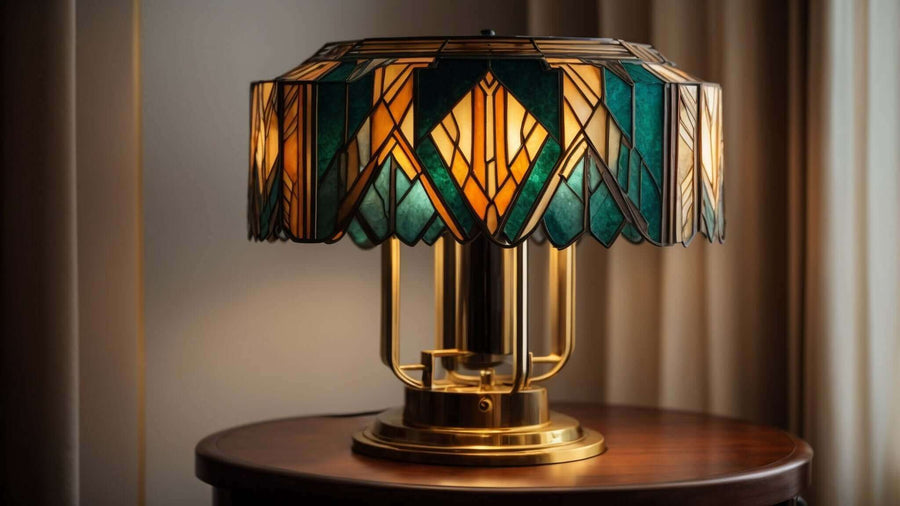
The first principle of decorative lamp selection is to treat the lamp as a design object first and a light source second. A lamp that is beautiful only when illuminated is a different object from one that is beautiful in all states: when switched off, it should be a sculptural presence contributing to the room's composition; when switched on, it should be transformed by the addition of warm light into something even more compelling. This dual quality — beauty as object and beauty as light source — is what distinguishes genuinely decorative lamps from merely attractive ones. The base should be worth looking at in its own right: ceramic should have depth and texture, glass should catch light even when the bulb is off, metalwork should have a precision and finish that rewards close examination.
Ceramic Bases: The Richest Material in Table Lamp Design
Of all the materials used in lamp bases, ceramic is arguably the richest and most varied. The range of forms, finishes, and aesthetic territories available in ceramic is essentially unlimited — from rough, earthy textures referencing ancient pottery to mirror-smooth glazes in every colour; from precisely thrown cylinders to asymmetric organic forms that look as though they grew rather than were made. Ceramic lamp bases have a quality that synthetic materials cannot replicate: weight, substance, and thermal presence. A ceramic lamp base on a sideboard feels grounded and permanent in a way that a plastic or resin alternative simply cannot. The interaction between ceramic and warm light is particularly beautiful — light illuminating a high-gloss ceramic base creates luminous effects that are unique to the material. Browse Nauradika's table lamp collection for ceramic designs that work as design objects as well as light sources.
Glass: Light Made Tangible
Glass has a unique relationship with light that makes it perhaps the most naturally suited material for decorative lamp bases and shades. Glass both transmits and transforms light — bending it, colouring it, refracting it into unexpected patterns. A hand-blown glass lamp base, with its slight irregularities and unique internal air bubbles, catches light differently from every angle and creates visual effects that shift as the viewer moves around it. The range of glass lamp designs is extraordinary: from clear borosilicate revealing the internal architecture of the base, to coloured and tinted glass that transforms the quality of the light it transmits, to smoked and frosted variants that create a sense of mystery and depth.
The Shade: Where Light Becomes Atmosphere
The shade does as much work as the base in determining the quality of the light produced. The shade controls the direction of light (upward, downward, or omnidirectional), the quality of the light (harsh or diffuse, focused or ambient), and the colour (natural or tinted). Fabric shades — linen, cotton, silk, paper — produce the most flattering and atmospheric light quality of any shade material. They diffuse the light completely, eliminating any harshness and producing a warm, even glow that is inherently atmospheric. A cream linen shade produces warmer, slightly golden light than a white cotton equivalent; a silk shade produces a more luminous, refined glow. The proportion of shade to base is the critical design variable: a shade too small for its base looks mean and tentative; one too large looks top-heavy and ungainly.
Placement: Where Decorative Lamps Work Hardest
The placement of decorative lamps is as important as their selection. The most important principle is that they should be grouped or positioned to create visual compositions — not scattered randomly through a space. A pair of matching decorative lamps on a console or sideboard creates a balanced, symmetrical composition that reads as designed rather than accidental. Single decorative lamps work best as focal points in deliberately asymmetrical compositions — positioned with other objects (books, ceramics, plants) in arrangements that balance the lamp's visual weight with complementary elements. Height variation is important: lamps at different heights create the visual interest and depth that makes a layered lighting scheme feel designed. Explore the full range of decorative lamp options at Nauradika.
Nauradika Trade