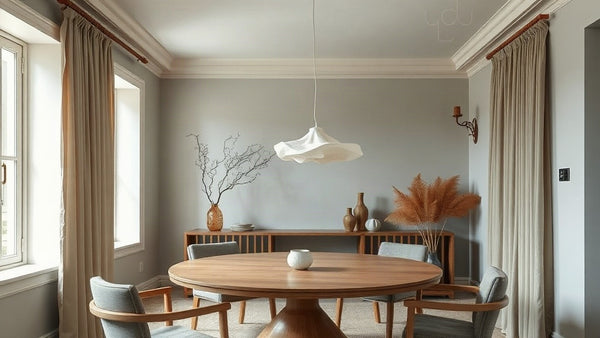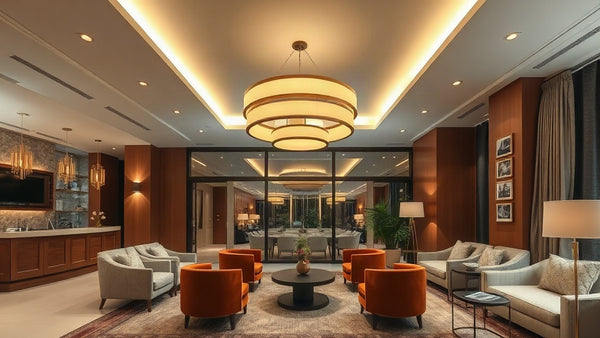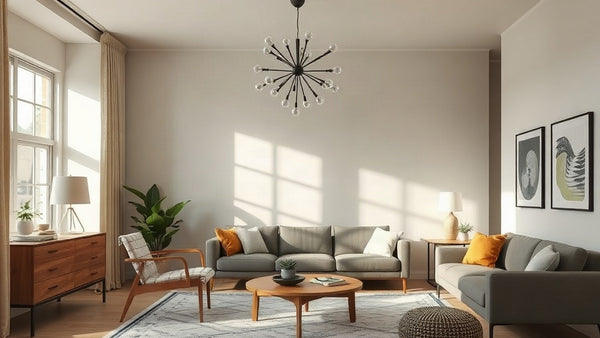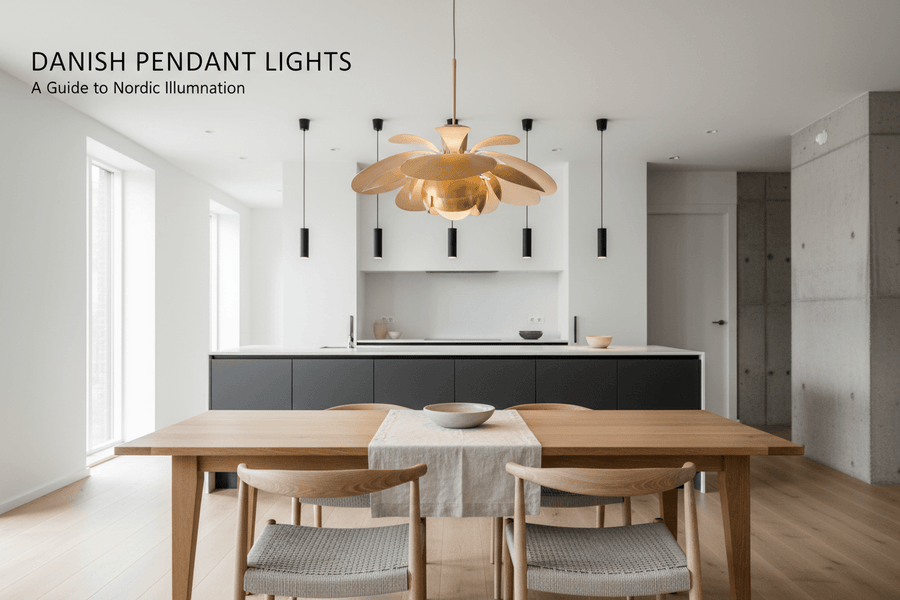
There is something unmistakably purposeful about Danish lighting design. Where other traditions reach for decoration, Danish designers reached for function — and in doing so, created some of the most enduring pendant lights in the world. From the mid-century studios of Copenhagen to the kitchen tables of contemporary homes across Europe, the danish pendant light has become a benchmark not just for beauty, but for how artificial light should actually behave in a room.
This guide is written for those specifying lighting on residential or commercial projects — interior designers, architects, kitchen designers, and homeowners undertaking a serious renovation. If you want to understand what makes Danish pendants consistently excellent, how to choose one for a specific room, and where to find exceptional pieces at genuinely accessible prices, read on.
Why Danish lighting design still leads
The roots of what we now call danish modern lighting run deep. In the early twentieth century, Danish designers began treating light itself as a design problem. The question was never simply "how bright?" — it was "where does the light fall, and where does it not?" The result was a generation of shades, baffles, and diffusers engineered to eliminate glare while wrapping a room in warmth.
Poul Henningsen's layered shade geometry, Arne Jacobsen's material precision, Verner Panton's bold use of colour — each represented a different answer to the same underlying question. What they share is an obsessive attention to the quality of light. For an architect or interior designer, specifying a Danish-influenced pendant is a decision about atmosphere: about how a room will feel at 7pm on a November evening when everything depends on what you have hung from the ceiling.
The kitchen: where Danish pendants earn their place
No room benefits more from considered pendant lighting than the kitchen, and no style of pendant performs better above an island than the danish kitchen pendant. The reasons are both practical and aesthetic.
Practically, a well-designed Danish pendant distributes light downward without glare — essential when you are chopping vegetables, reading a recipe, or simply eating. The shade geometry, whether conical, dome-shaped, or multi-layered, directs light exactly where it is needed while keeping the source out of the line of sight.
Aesthetically, Danish pendants sit comfortably across a wide range of kitchen styles. Against Shaker cabinetry they introduce a note of European modernism. Against handleless, high-gloss units they reinforce the room's clean-lined confidence. Against raw oak and exposed concrete they soften industrial edges with warmth.
When specifying for a kitchen island, three things matter above all else:
- Hang height: the bottom of the shade should sit approximately 75–80cm above the worktop surface. Too high and the pendant loses intimacy; too low and it obstructs sightlines across the island.
- Single or cluster: for islands under 1.2 metres, a single statement piece works well. For longer islands, two or three pendants hung in a row create rhythm without clutter. Vary the size, not the style.
- Scale: a shade of 25–30cm diameter reads as understated above a large island; 40–50cm creates genuine presence. When in doubt, go larger.
Our Kitchen Island Scandi Pendants are a strong starting point — clean, proportioned, and priced for both residential and contract projects. For a bolder statement above the island, the Scandi 70s Danish Pendant Lamp brings a mid-century sensibility that works equally well in a contemporary or period kitchen.
The living room: anchoring a space with a danish style chandelier
In living spaces, the danish style chandelier — whether a sculptural dome, a multi-arm arrangement, or a cluster of smaller pendants — functions as an anchor for the entire room. It establishes the ceiling plane, draws the eye upward, and sets the tonal register of the space.
For high-ceiling rooms of 3 metres or above, visual mass is essential. A small shade disappears against the vertical space; it needs scale to read properly. For standard ceiling heights, a medium dome or cone at 40–45cm diameter creates proportion without overwhelming the room.
The Danish Postmodern LED Chandelier is one of our most specifier-friendly pieces — its sculptural silhouette reads beautifully against high ceilings, and the integrated LED means no separate driver or bulb decisions on site. For something warmer and more domestic in scale, the Danish Designer Pendant Light is a consistently strong performer — simple enough to live alongside almost any furniture, distinctive enough to hold the room.
Room-by-room specification guide
A quick reference for those mid-project:
- Dining rooms: hang a single pendant 65–70cm above the table surface. Shade diameter should be roughly half the table width. A warm bulb temperature of 2200–2700K creates the most flattering light for a dining setting.
- Home offices: a focused downward pendant above the desk reduces eye strain and defines the working zone within the room. Avoid pendants with exposed bulbs — diffused sources are far more comfortable for sustained work.
- Hallways: a series of smaller pendants spaced evenly along a corridor creates rhythm and drama without the cost of a single large statement piece.
- Bedrooms: pendants hung either side of the bed — replacing traditional bedside lamps — free up surface space and create a cleaner, more considered look. The Classic Nordic Designer Pendant (30cm) works especially well in this application.
What to look for when buying
For any specifier or discerning homeowner, quality assessment comes down to a handful of indicators. The shade interior — the surface that reflects light into the room — should be smooth and consistently finished, whether in white, cream, or a metallic tone. Rough or uneven interior surfaces scatter light unpredictably and reduce the quality of diffusion.
The fixing mechanism matters particularly on contract specifications. A pendant that allows height adjustment without tools is invaluable on site, where ceiling heights vary and the ideal hang point is rarely exactly where the previous fitting was. Cable quality and cord length are often overlooked until installation — confirm adjustability before specifying on high-ceiling projects.
At Nauradika, every Danish-influenced pendant in our range is selected for construction quality and fidelity to the design principles that have made danish modern lighting the most consistently referenced style in contemporary interiors. Our pricing is designed to make exceptional lighting accessible on both residential and contract budgets — and we offer trade accounts for designers and architects working at volume. Find out more about our trade discount programme here.
Browse the full range of Scandinavian lighting at Nauradika — from kitchen pendants to statement chandeliers, every piece ships to the UK with free returns.
Nauradika Trade