How Wall Lighting Has Become a Design Statement
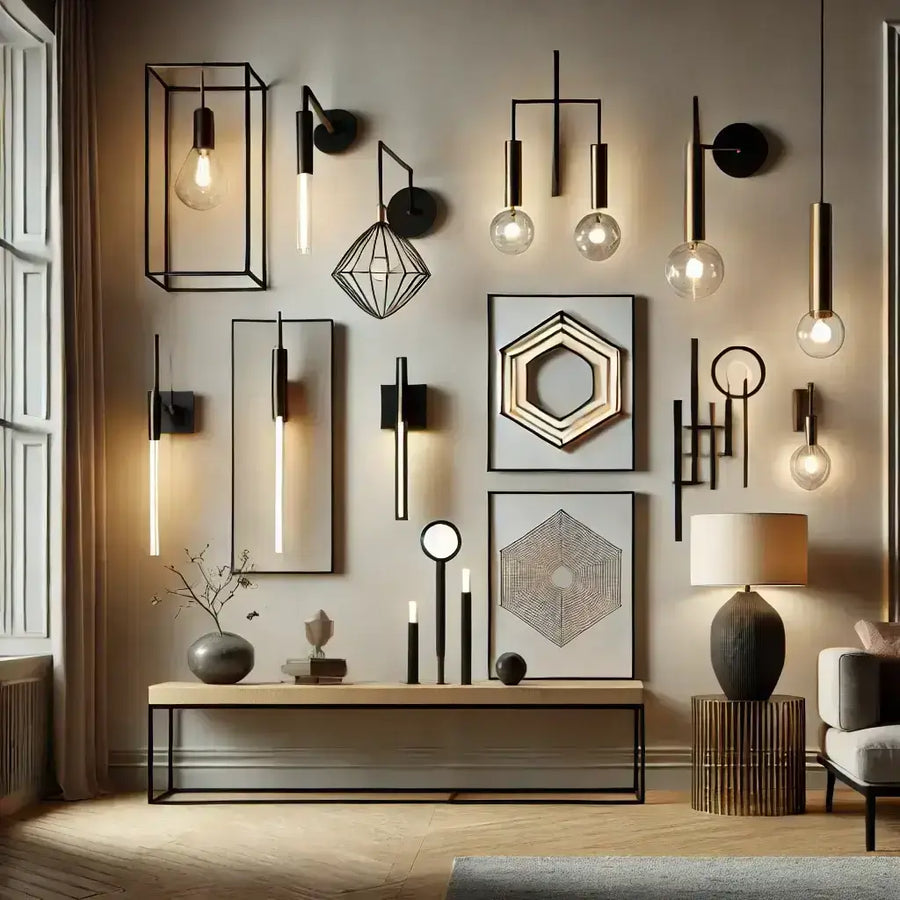
For most of the twentieth century, wall lights occupied a secondary position in the lighting hierarchy — functional supplements to overhead fittings, useful in hallways and hotel corridors. That has changed comprehensively. In contemporary interior design, wall lights have emerged as one of the most creatively dynamic categories in lighting — a space where material innovation, formal experimentation, and the influence of craft traditions from around the world are producing designs of genuine originality and beauty. The wall sconce has become a design statement in its own right.
Trend 1: Organic and Sculptural Forms
The single most powerful trend in contemporary wall lighting is the move towards organic, sculptural forms that reference natural growth patterns, geological formations, and biological structures. Wall sconces that look as though they might have grown from the wall rather than been attached to it — cast in bronze with textures suggesting bark or stone, formed from ceramic with the irregular profiles of river rocks, or blown in glass with the bulbous, asymmetric quality of seed pods — represent a definitive departure from geometric modernist tradition.
This trend draws from biophilic design (connecting interiors with natural forms), the craft revival (valuing the irregularities of handmade production), and a broader appetite for objects with character and depth. The most successful organic wall lights combine formal originality with high light quality — the sculptural form creates light effects that are as interesting as the object itself. Explore Nauradika's organic and sculptural wall light options.
Trend 2: The Return of Brass
Brass has been cycling in and out of interior design favour for decades, but the current iteration feels more permanent than previous revivals. This is partly because the brass being used today is different from the shiny, lacquered brass of the 1980s — contemporary brass finishes are deliberately imperfect: unlacquered living finishes that develop patina over time, brushed and aged surfaces with warmth and depth, antique brass finishes that carry the visual weight of history without period styling. Brass wall lights are also benefiting from their material compatibility with warm-white LED light sources: the amber frequencies in 2,700K light amplify the golden tones of brass, creating a symbiosis between material and light that polished chrome and painted metal cannot replicate.
Trend 3: Japanese and East Asian Influence
The influence of Japanese design philosophy — its emphasis on materiality, restraint, imperfection, and the beauty of natural processes — continues to shape wall lighting design. Japanese paper (washi) shades, with their translucent warmth and organic irregularity, are increasingly finding their way into contemporary sconce designs. Bamboo and rattan elements reference East Asian craft traditions. And the principle of wabi-sabi — the acceptance and celebration of imperfection — is visible in the preference for living finishes, handmade irregularities, and deliberately imprecise forms. Japanese-influenced wall lights typically produce a distinctive and beautiful quality of light: soft, diffuse, and warmly coloured as it passes through paper or natural fibre shades.
Trend 4: The Plug-In and Wireless Sconce
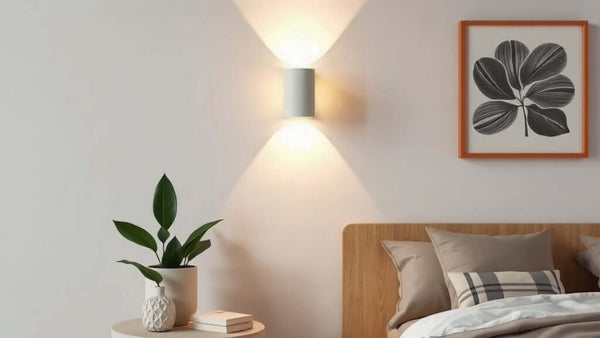
A practical trend with significant implications is the emergence of high-quality plug-in and battery-powered sconces. Traditionally, wall lights required hard-wiring — an installation involving cable runs through walls and connection to the mains. Plug-in sconces, which operate from a conventional socket outlet via a cable that runs discreetly down the wall, remove this barrier. Higher-quality plug-in designs are now virtually indistinguishable from hard-wired alternatives, allowing wall lighting in any room regardless of existing wiring — particularly transformative for renters and those wanting flexibility.
Trend 5: Mixed Materials and Hybrid Designs
The most sophisticated wall light designs of 2026 combine multiple materials in single fixtures: brass arms supporting ceramic shades, glass globes held in leather or rope cradles, stone bases fitted with fabric diffusers. These hybrid designs benefit from the optical and aesthetic qualities of each constituent material while creating a visual complexity that single-material designs cannot achieve. Mixed-material wall lights also create opportunities for personalisation — choosing fixtures whose material combinations reference or complement other elements of a room's material palette. Find the wall light that defines your 2026 interior at Nauradika.
Nauradika Trade