Travertine Wall Lamps Dominate Autumn Interiors in 2026
Travertine wall lamps have emerged as the definitive choice for architects specifying ambient lighting in residential and commercial projects this autumn. The material's inherent thermal qualities—both aesthetic and tactile—align with the current shift towards biophilic design and material authenticity that clients increasingly demand.
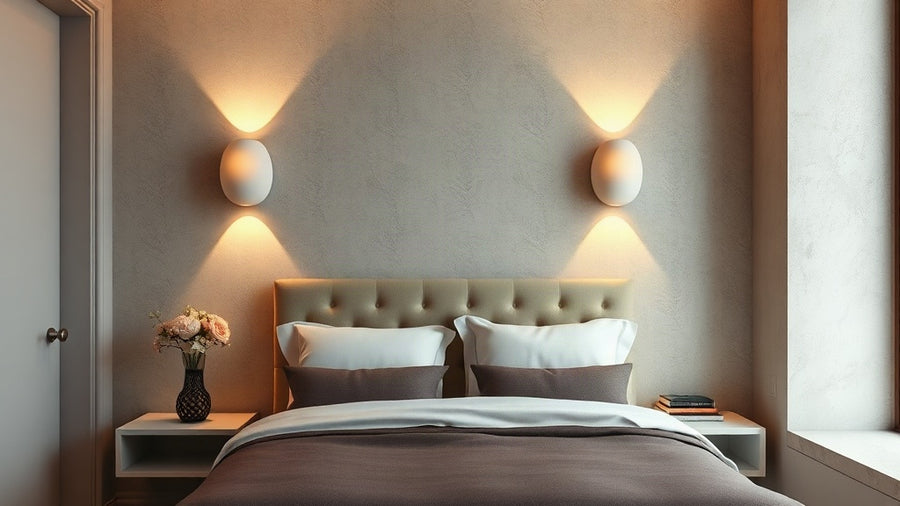
Unlike polished marble or glass alternatives, travertine's naturally pitted surface creates diffused light distribution, reducing glare whilst maintaining visual warmth. This makes travertine wall lamps particularly effective in open-plan residential schemes and hospitality contexts where layered lighting strategies are essential.
Material Specification Considerations
When specifying a travertine wall lamp, three technical factors warrant attention:
- Porosity: Travertine's characteristic pitting requires sealed finishes in moisture-prone areas. Ensure your supplier specifies treatment for bathroom or kitchen applications.
- Thermal mass: Stone conducts heat efficiently; specify LED sources to avoid unnecessary thermal output that may damage adjacent surfaces.
- Finish compatibility: Honed, polished, or brushed travertine produces distinctly different light qualities. Honed finishes create softer diffusion; polished surfaces deliver stronger directional throws.
Design Integration for 2026 Projects
Contemporary travertine wall lamp designs pair the material with brushed brass, matte black, or natural oak elements. This hybrid approach softens the material's neutrality, preventing institutional appearance whilst maintaining Scandinavian restraint—a principle that continues to resonate across residential and commercial briefs.
For commercial applications, travertine wall lamps work effectively in hotel lobbies, boutique retail environments, and executive office spaces. The material suggests permanence and craft, positioning the lighting as sculptural rather than purely functional.
Lumens and Colour Temperature
Travertine wall lamps typically deliver 300–600 lumens depending on fixture size and internal reflectance. Specify 2700K colour temperature for residential applications; 3000K suits commercial spaces requiring task clarity without cold institutional feel.
Dimming capability remains essential. Since travertine's surface irregularity creates visual texture, dimming emphasises this materiality—a desirable effect in ambient schemes but potentially problematic in task lighting contexts.
Sustainability and Sourcing
Specify travertine wall lamps from suppliers committed to responsible quarrying practices. Material longevity—travertine outlasts most contemporary finishes—justifies slightly elevated specification costs against replacement cycles of inferior alternatives.
Installation and Maintenance
Travertine wall lamps require solid backing and appropriate fixings; hollow partition walls demand reinforcement. Standard plasterboard anchors are insufficient. Allow 15mm clearance from adjacent surfaces to prevent shadow creep and dust accumulation in surface pitting.
Specify maintenance protocols with clients: dust with soft brushes; avoid acidic cleaners that compromise sealed surfaces.
2026 Market Position
The travertine wall lamp category has expanded beyond artisanal makers into mid-market production, making specification economically viable without sacrificing design integrity. Availability across UK stockists—including Nauradika—means lead times remain realistic for autumn project completion.
Architectural practices increasingly specify travertine wall lamps as signature elements rather than standard ambient solutions. The material's geological authenticity and proven performance make it a defensible choice within client presentations and build cost justifications.
Explore the look through travertine wall lamp options and related pieces in our Wall Light Fixtures collection.
Why this style works
The right light does more than illuminate a room. It sets the rhythm of the space, gives furniture a visual anchor, and helps a decorative scheme feel intentional rather than assembled. For readers arriving from search, this section connects the design idea to practical product selection.
- Creates a clear focal point
- Adds warmth and texture
- Works across contemporary and vintage-inspired rooms
How to choose the right piece
Start with scale, then material, then light temperature. A pendant or wall light should feel proportionate to the room and the furniture below it. Natural materials tend to soften modern interiors, while darker finishes can make a more graphic statement.
- Check ceiling height and furniture dimensions
- Choose a finish that repeats elsewhere in the room
- Use warm bulbs for living and dining spaces
Where to use it
This look is especially effective in dining rooms, bedrooms, hallways and boutique hospitality spaces where atmosphere matters. It can also work in renovations where a single lighting change needs to make the room feel more finished.
- Dining tables and kitchen islands
- Bedrooms and reading corners
- Hallways, restaurants and boutique hotels
Shop the Look
For the most relevant products, start with the article's featured piece and the matching collection. Product price, availability and images should be pulled live from Shopify when the template renders.
View the featured travertine wall lamp or browse the full related collection.
Featured in this guide
View collectionWhy this style works
Frequently asked questions
Nauradika Trade