The Science and Art of Warm-Toned Illumination
Of all the decisions an interior designer makes about a space, few have as profound and immediate an effect as the choice of light colour temperature. The difference between a room lit in warm amber tones and the same room lit in cool white is not merely aesthetic — it is physiological, psychological, and deeply connected to the most ancient parts of our evolutionary heritage. Warm light works because it speaks a language that human beings have understood for hundreds of thousands of years: the language of fire, safety, comfort, and rest.
What We Mean by Warm Light
Colour temperature is measured in Kelvin. The key warm ranges for domestic interiors are: 2,200–2,400K for deep amber, fire-like quality associated with candlelight and filament bulbs; 2,700K for warm white — the standard temperature of traditional incandescent bulbs and the sweet spot for most living spaces; and 3,000K for soft white, slightly cooler but still warm enough for kitchens where a little more clarity is needed. For most living rooms, dining rooms, and bedrooms, 2,700K is the gold standard.
The Physiology of Warm Light
The human response to different light temperatures is rooted in evolutionary biology. Our visual systems evolved under two primary light conditions: bright, blue-tinged daylight during working hours, and warm, red-tinged firelight during rest and social gathering. Blue wavelengths in cool light stimulate melanopsin photoreceptors that suppress melatonin and increase cortisol — the body's alerting hormones. The absence of blue wavelengths in warm light allows melatonin production to proceed normally, supporting the body's transition into rest. This is why exposure to cool screens and lights in the evening disrupts sleep quality — our bodies receive the wrong light signal for the time of day. Homes that use warm light effectively in the evening support better sleep quality for their occupants.
Warm Light and Colour Rendering
Warm light renders skin tones beautifully — the amber frequencies in 2,700K light complement the warm undertones in most skin types. Warm light also interacts beautifully with natural materials: timber, terracotta, warm stone, brass, copper, and earth-toned textiles all reach their full visual potential under warm-toned illumination. Conversely, warm light can make cool colours — blues, greens, and greys — appear slightly muddy. Homes with predominantly cool colour palettes may benefit from slightly higher temperatures (3,000–3,500K) that allow cool tones to sing without sacrificing overall warmth.
Warm Light Fixtures: What Works Best
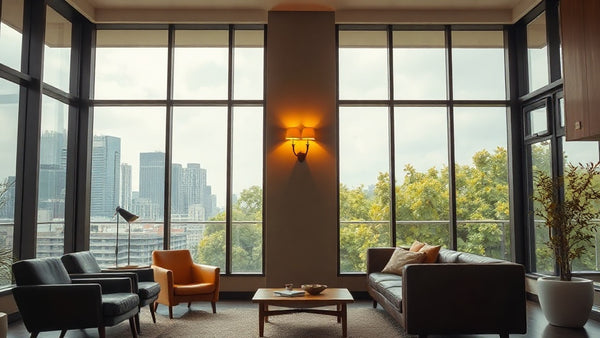
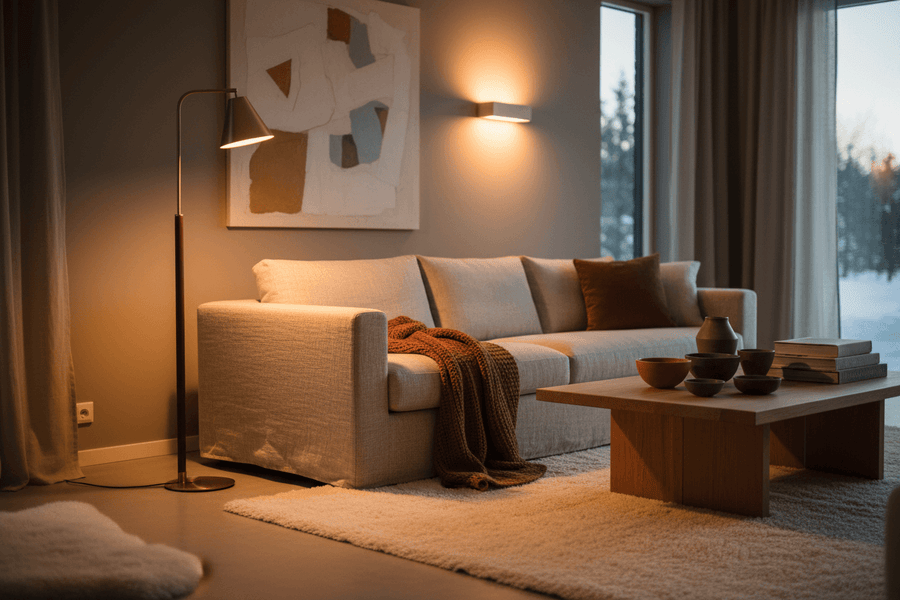
LED filament bulbs at 2,200–2,400K produce a deep amber, fire-like quality that is extraordinary in pendant fittings and open-shade designs. Fabric and paper shades transmit warm light particularly beautifully — linen, cotton, and Japanese paper shades create a gentle glow that seems to emanate from the shade itself. Brass and copper fixtures reflect and amplify warm light frequencies while absorbing cool ones, creating a symbiosis between material and light that makes them look particularly beautiful when illuminated. Browse Nauradika's wall sconce collection for brass and warm-metal options, and our pendant range for organic shade designs.
Warm Light Room by Room
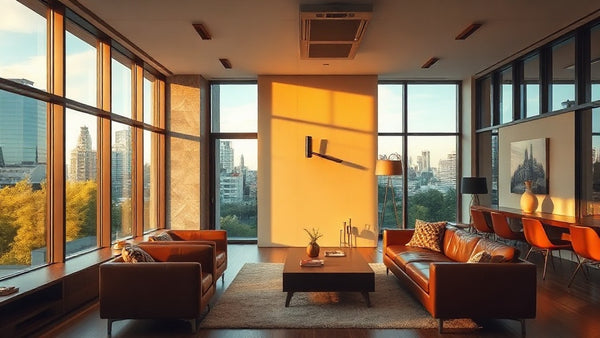
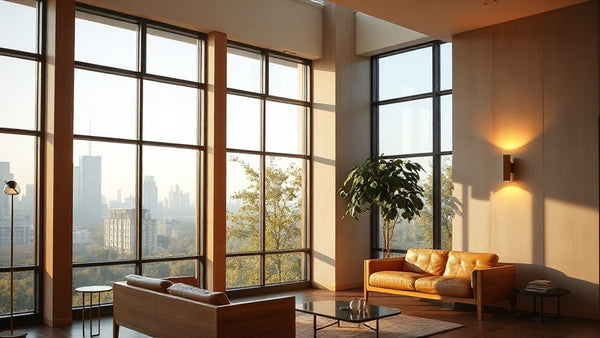
Living rooms are the natural home of warm light — a layered 2,700K scheme creates the ideal environment for evening relaxation and entertaining. Dining rooms benefit enormously: the combination of warm illumination and reflective glassware creates the classic restaurant atmosphere that makes meals feel like occasions. Bedrooms should be exclusively warm — ideally 2,200–2,700K — because the physiological case for warm light in sleeping spaces is overwhelming. Bathrooms present a more complex challenge, but the solution is simple: warm ambient lighting supplemented by a slightly cooler mirror light for task purposes.
Making the Change
Converting to a consistent warm-light scheme requires simply replacing cool or neutral bulbs with warm-white alternatives and adding dimmer switches to existing circuits. The investment is modest but the transformation in the quality and atmosphere of your spaces can be extraordinary. Find the fixtures that will deliver warm light beautifully in your home at Nauradika, where quality of light is as important as visual design.
Nauradika Trade