Living room design mistakes are often invisible, yet they quietly shape how your space feels, functions, and even how you behave in it. I’ve walked into countless homes—beautiful furniture, trendy colors, carefully chosen decor—and still felt something wasn’t quite right. If you’ve ever sat on your sofa and thought, “Why doesn’t this feel like *me*?”, you’re not alone. Let’s talk about the subtle design missteps that most people overlook—and how fixing them can completely shift your space.
1. Your Layout Is Fighting Human Nature
I used to think a living room was about arranging furniture neatly against walls. Clean, symmetrical, safe. But here’s the truth: humans are wired for connection, not geometry.
According to a study published in the Journal of Environmental Psychology, seating arrangements that encourage face-to-face interaction increase social engagement by up to 35%. That means your furniture layout directly affects how often people talk, laugh, and linger.
If your sofa is glued to the wall and your chairs feel like distant relatives at a wedding, your room is quietly discouraging connection.
What I recommend:
- Pull furniture away from walls—even just 10–20 cm changes everything.
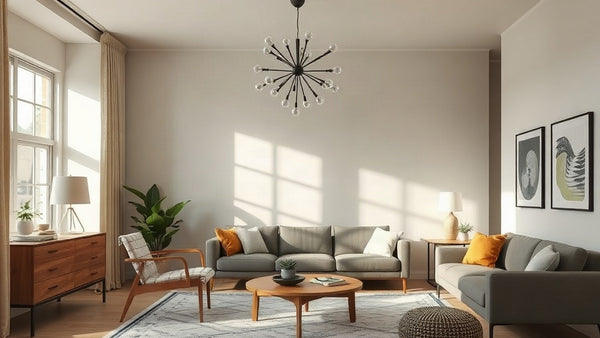
- Create a “conversation zone” where seats face each other.
- Use rugs to anchor the space and define interaction areas.
Think of your layout like a dinner party. If everyone’s seated miles apart, no one’s staying long.
2. You’re Lighting the Room Like a Supermarket
Let’s be honest—most living rooms rely on one lonely ceiling light. It’s practical, sure. But it’s also the fastest way to make your home feel flat and uninviting.
The American Lighting Association reports that layered lighting can improve perceived comfort in a room by up to 40%. That’s not just ambiance—that’s emotional impact.
I learned this the hard way. I once installed a single overhead light in my own living room and couldn’t figure out why it felt like a waiting room. The moment I added a floor lamp and a warm table light, the space softened instantly.
What I recommend:
- Use at least 3 light sources: ambient, task, and accent.
- Choose warm bulbs (2700K–3000K) for a cozy feel.
- Add a lamp near seating areas to create intimacy.
Lighting isn’t just functional—it’s emotional architecture.
3. Your Scale Is Slightly… Off (And It’s Throwing Everything)
This one is sneaky. You might have beautiful pieces—but if their proportions don’t align, the room feels subtly uncomfortable.
Research from Houzz Interior Trends Study shows that 68% of homeowners struggle with choosing correctly sized furniture, often opting for pieces that are too small for their space.
I see this constantly: tiny rugs floating under massive sofas, or oversized coffee tables squeezing the life out of a room.
What I recommend:
- Your rug should sit under at least the front legs of all seating.
- Coffee tables should be about two-thirds the length of your sofa.
- Leave 40–50 cm between furniture for comfortable movement.
Scale is like music rhythm—when it’s off, you don’t always know why, but you feel it.
The Real Secret: Your Living Room Should Feel Like a Reflection, Not a Showroom
Here’s something I’ve learned after three years of obsessing over interiors: the most beautiful rooms aren’t the most expensive or the most “on trend.” They’re the ones that feel aligned with the people living in them.
A report by IKEA Life at Home found that 73% of people say their home is their most important place for mental well-being. Yet many still design spaces based on aesthetics alone, not emotional comfort.
So ask yourself:
- Does your space invite you to relax—or just impress guests?
- Do you actually use every corner—or avoid certain areas?
- Does it feel like *you* when you walk in?
Because fixing your living room isn’t about buying more. It’s about noticing what’s quietly not working—and adjusting with intention.
And trust me, once you get these invisible details right, your living room won’t just look better.
It will finally feel like home.
Nauradika Trade