
Layering different types of lighting creates depth
|
|
Time to read 2 min

Discover new arrivals in modern lighting, home decor, and Scandinavian design—updated weekly...
|
|
Time to read 2 min
Lighting plays a crucial role in interior design, as it has the power to transform the ambiance and mood of a space. While a single light fixture can provide illumination, layering different types of lighting takes the design to a whole new level. By incorporating ambient, task, and accent lighting, you can create depth, interest, and a dynamic atmosphere. In this article, we will explore the concept of layered lighting and how it can enhance your interior design using the BAB (Before, After, Bridge) method.
Before diving into the world of layered lighting, it's essential to assess the space and determine your lighting needs. Consider the following factors:
Once you have assessed the space and lighting needs, it's time to delve into layering techniques and fixture selection. Here are the key components to consider:
Ambient Lighting: This is the general lighting that illuminates the entire space. It sets the overall mood and provides a comfortable level of brightness. Consider using overhead fixtures like chandeliers, pendant lights, or recessed lights to achieve even and uniform ambient lighting.
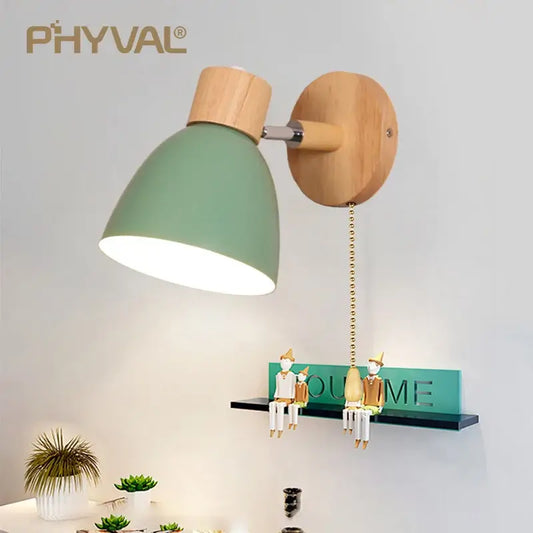
Task Lighting: Task lighting serves a specific purpose, providing focused illumination for activities such as reading, cooking, or working. Examples include desk lamps, under-cabinet lighting in kitchens, or wall-mounted sconces near reading areas. Place task lights strategically to avoid shadows and provide ample light for specific tasks.
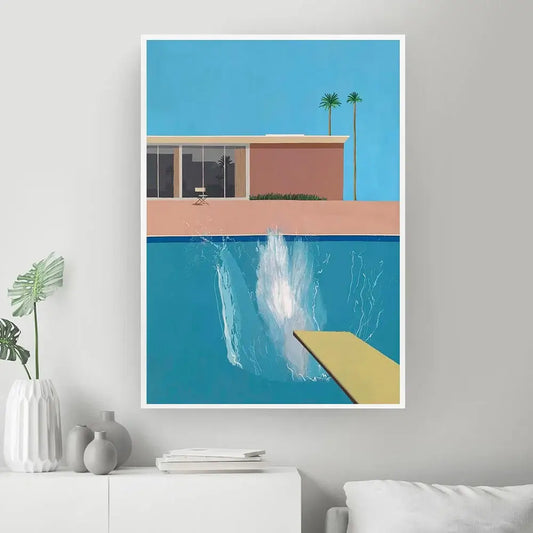
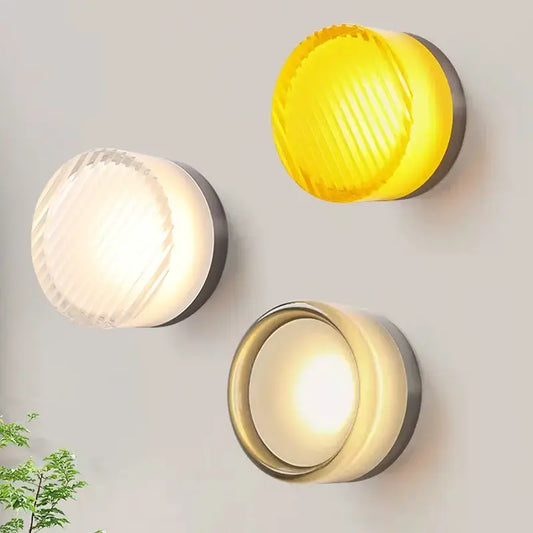
Accent Lighting: Accent lighting adds drama, visual interest, and highlights specific features in the room. Use it to draw attention to artwork, architectural elements, or decorative objects. Wall-mounted spotlights, track lighting, or LED strips are effective options for accent lighting.
To create a harmonious lighting design, consider the following tips:
Layered lighting is a game-changer when it comes to interior design. By incorporating ambient, task, and accent lighting, you can transform any space into a well-lit and visually dynamic environment. Remember to assess the space, determine the lighting needs, and select fixtures that align with your design goals. With a well-executed layered lighting design, you'll not only create depth and interest but also enhance the functionality and aesthetics of your space. So, go ahead and experiment with different lighting techniques to unveil the full potential of your interior design.
You will find many other interior design tips in our Top 50 Best Kept Secrets Used By Interior Designers to Transform your Space.
Like our Magazine? You will like our store even more with all its curated homeware, modern lighting, kitchen utensils and Wall Art. We also recommend that you sign up to our newsletter or follow us on social media to find out about our news article releases, promotions and discount codes.