What factors should I consider when selecting lighting for each room?
|
|
Time to read 7 min

Discover new arrivals in modern lighting, home decor, and Scandinavian design—updated weekly...
|
|
Time to read 7 min
Lighting significantly impacts the atmosphere and functionality of your home. Key considerations for selecting lighting include understanding room dimensions, identifying the purpose of each space, exploring different lighting types (ambient, task, and accent), maximising natural light, and choosing the right colour temperature. Additionally, consider energy efficiency, your personal style, and budget constraints to create a harmonious and aesthetically pleasing environment. Embrace creativity in your lighting choices to enhance your home's beauty and practicality.
Lighting plays a crucial role in transforming the atmosphere of any room. Whether you’re redesigning your home or simply looking to refresh a space, understanding the various factors to consider when selecting lighting can make all the difference. With the right choices, you can create functional and aesthetically pleasing environments. This article will explore key elements to consider, ensuring your lighting enhances your home's beauty and practicality.
One of the first factors to consider when selecting lighting for each room is the size of the space. Both the dimensions and the height of the ceilings dictate the type and quantity of lighting you require. In smaller rooms, too much light can overwhelm the space, while larger rooms may need multiple sources of illumination.
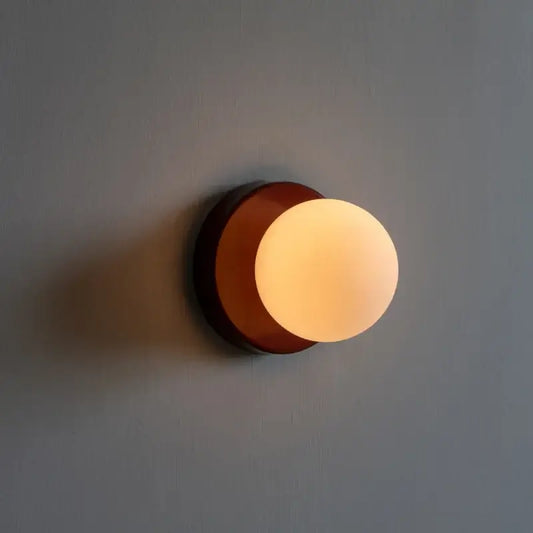
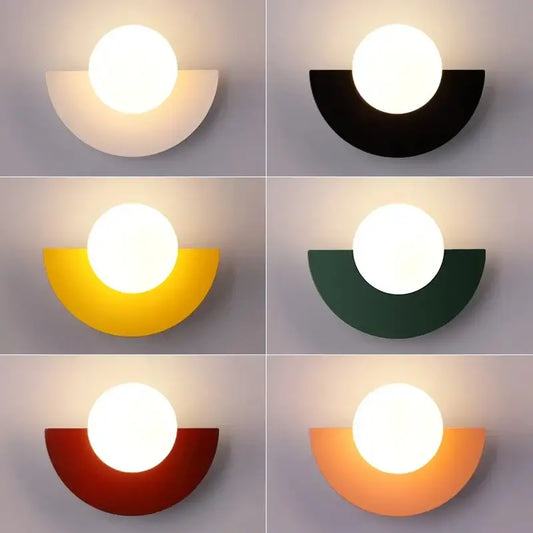
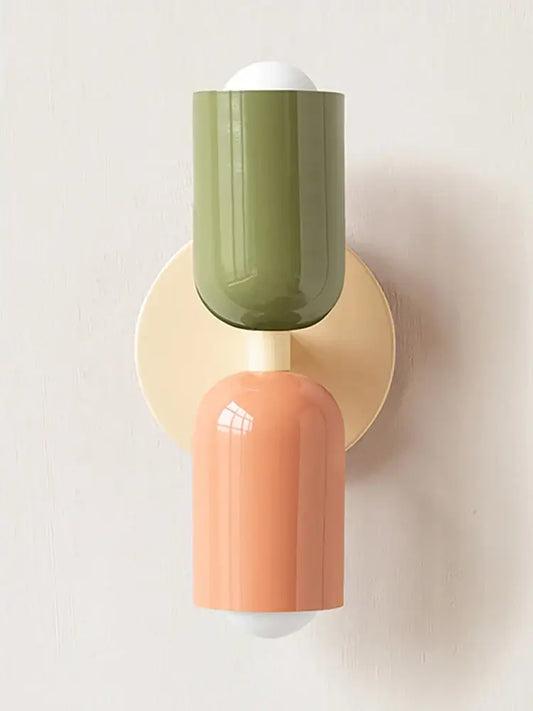
For elegant bedside lighting, for example, you might opt for subtle wall sconces flanking the bed or chic pendant lights that draw the eye without overpowering the area. Larger rooms benefit from layered lighting, which combines ambient, task, and accent lights to create depth. This can be achieved through a mix of ceiling lights, floor lamps, and decorative lamps throughout the space.
Every room serves a unique function, and the lighting should support that purpose. Consider how you use each space to select the most suitable lighting. A kitchen demands bright task lighting that enables you to prepare meals efficiently, while a living room encourages relaxing with softer, ambient light.
In workspaces, adjustable desk lamps can provide focused lighting that reduces eye strain. For areas like dining rooms, a pendant light positioning above the table can set the right mood, promoting enjoyment during meals. Think about Scandinavian fabrics for interior designers; they often embrace natural light while using colour palettes that enhance warmth. This principle can inspire your lighting choices, ensuring they harmonise with the room's activities.
Another significant factor is understanding the various types of lighting available. Each serves a specific purpose and contributes differently to the overall feel of a room. The three main categories of lighting are:
When designing your lighting scheme, aim to strike a balance between these types. In a living room, for instance, you might install ambient overhead fixtures, alongside task lighting in the form of reading lamps, and accent lights to highlight artwork or landscaping. This layered approach creates a well-rounded and inviting atmosphere.
In today’s world, energy efficiency is more important than ever. Not only can energy-efficient lighting save you money on your electricity bills, but it also reduces your environmental impact.
Pare down your choices to include LED lights or other energy-efficient alternatives. They consume significantly less power than traditional incandescent bulbs and have a longer lifespan, making them a smart long-term investment. When selecting lighting fixtures, look for those made from sustainable materials, aligning with modern design aesthetics that often favour natural and eco-friendly options.
The visual appeal of your lighting fixtures can transform a room. When choosing, consider how the style complements your existing decor. From contemporary designs to vintage-inspired pieces, the options are endless. Look for lighting that resonates with your personal style, and never shy away from experimenting.
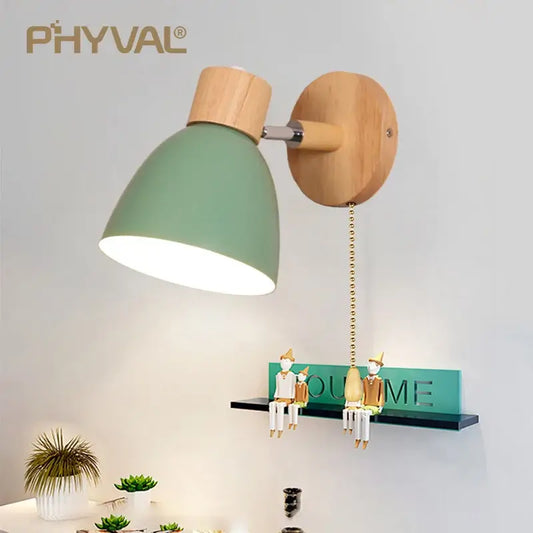
If your home incorporates Scandinavian fabrics for interior designers, choose lighting that blends seamlessly with this minimalist style. Look for clean lines and understated designs. The focus should be on creating a calm and serene environment, so opt for fixtures that incorporate natural materials, such as wood or fabric, to enhance this aesthetic.
Never underestimate the impact that natural light has on your interiors. Assess how sunlight enters each room and how it shifts throughout the day. This understanding informs your choice of artificial lighting and the best times to utilise it.
In rooms flooded with natural light, you might opt for softer artificial lighting, allowing the sunshine to take the lead during the day. On the flip side, in spaces with limited light, consider brighter fixtures that combat dreariness. Implementing lights that can be dimmed allows for flexibility of brightness, helping to adapt to the time of day and mood you want to create.
The colour temperature of your lighting can significantly impact your space's ambience. Measured in Kelvins (K), the colour temperature dictates whether a light appears warm, neutral, or cool. Typically, warmer tones (below 3000K) create a cosy and inviting feel, while cooler tones (above 4000K) are more energising.
For example, in a bedroom, aim for warm lighting to foster relaxation, particularly in elegant bedside lighting setups. In contrast, bathrooms and kitchens benefit from cooler lighting that resembles daylight, supporting tasks that require focus and attention. By choosing the right colour temperature for your settings, you can enhance functionality and aesthetic pleasure.
The way you position lighting fixtures plays a vital role in achieving the desired effect. Allowing light to point in the right direction makes a significant difference in illuminating spaces effectively.
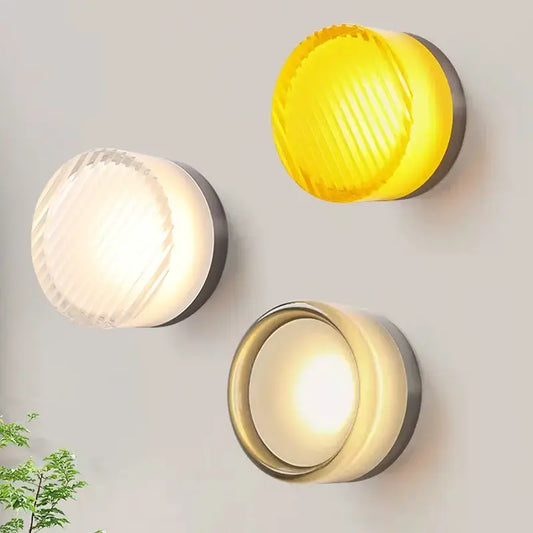
In living rooms, consider placing floor lamps in corners to illuminate darker areas, allowing light to bounce off walls and create an expansive feel. Wall-mounted fixtures can add depth while freeing up floor space. For dining areas, hanging lights should be positioned at a suitable height to provide ample downward light without obstructing sightlines.
Ultimately, your preferences matter the most when selecting lighting for each room. Consider what kind of atmosphere you want to create and ensure your lighting choices reflect your taste and lifestyle.
Whether it's a striking chandelier in the entrance hall or whimsical fairy lights in the bedroom, your personal style shines through in your lighting choices. Don’t be afraid to mix and match styles, textures, and colours to create a space that feels uniquely yours.
Finally, budget is a serious consideration when planning your lighting design. Not every room requires high-end fixtures, but it’s worth investing in a few statement pieces that can elevate your home’s overall appearance.
Shop smart by comparing prices, looking for sales, or considering second-hand options before making a purchase. Prioritise which rooms will see the most traffic, as these may require higher quality lighting solutions. A well-planned budget allows you to make informed decisions, leaving space for future upgrades.
Getting the lighting right can dramatically enhance the ambiance and functionality of your home, reflecting both style and comfort. By considering factors such as room dimensions, lighting types, energy efficiency, and your personal aesthetics, you can create a cohesive plan that suits your needs. Embrace your creativity, let your style guide your choices, and illuminate your home like never before!

The Modern Minimalist Pendant Lamp combines contemporary design with a retro flair, making it suitable for bedrooms, dining areas, and hotel spaces. Available in two sizes, it offers flexibility in various settings while providing energy-efficient lighting in both warm and cool white options. Its unique cream white and red color scheme adds a touch of warmth, enhancing the ambiance of any room.
View ProductLike our Magazine? You will like our store even more with all its curated homeware, modern lighting, kitchen utensils and Wall Art. We also recommend that you sign up to our newsletter or follow us on social media to find out about our news article releases, promotions and discount codes.