The Case for Bringing Nature Indoors Through Light
Biophilic design — incorporating natural elements, patterns, and processes into built environments — has moved from the fringes of architectural theory to the mainstream of interior design. A growing body of research shows that exposure to natural elements reduces stress, improves cognitive function, and increases wellbeing. Light sits at the intersection of biophilic design and interior architecture in a particularly powerful way. Light is, after all, nature's primary organising principle — the daily cycle of sunrise and sunset regulates our circadian rhythms, mood, and energy levels.
Natural Light Patterns That Calm and Inspire
Before choosing fixtures, it helps to understand the light patterns found in nature that most affect human psychology. Dappled light — the shifting, irregular pattern produced when sunlight filters through a leaf canopy — is one of the most universally calming conditions. Its irregularity prevents visual monotony while its diffuse quality avoids harshness. Recreating it artificially requires either perforated shades that cast patterned shadows or multiple small sources producing overlapping pools of light.
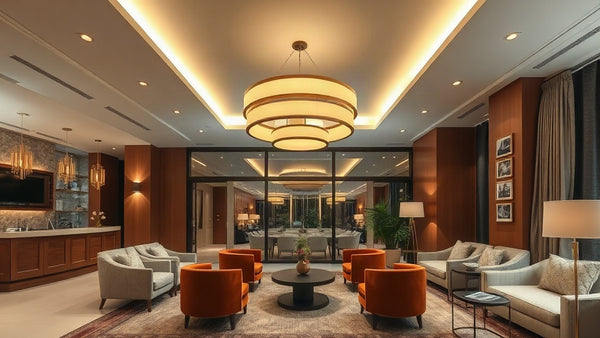
Gradient light — shifting gradually from bright to dim, as occurs from sunrise to sunset — produces a sense of spatial depth and richness. In interior terms, this means concentrating light in some areas (over a dining table, beside a reading chair) while keeping others more diffuse. Warm-toned ambient light — the amber quality of late afternoon sun and firelight — activates the body's relaxation response and signals safety.
Natural Materials in Fixtures
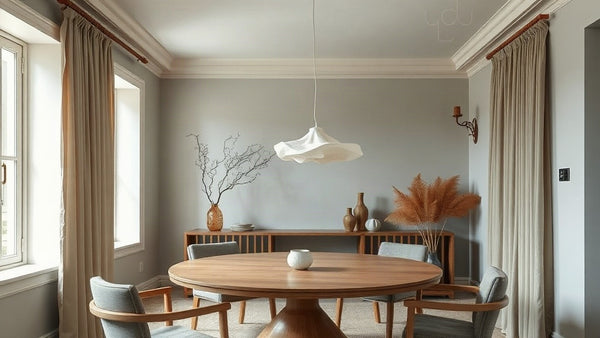
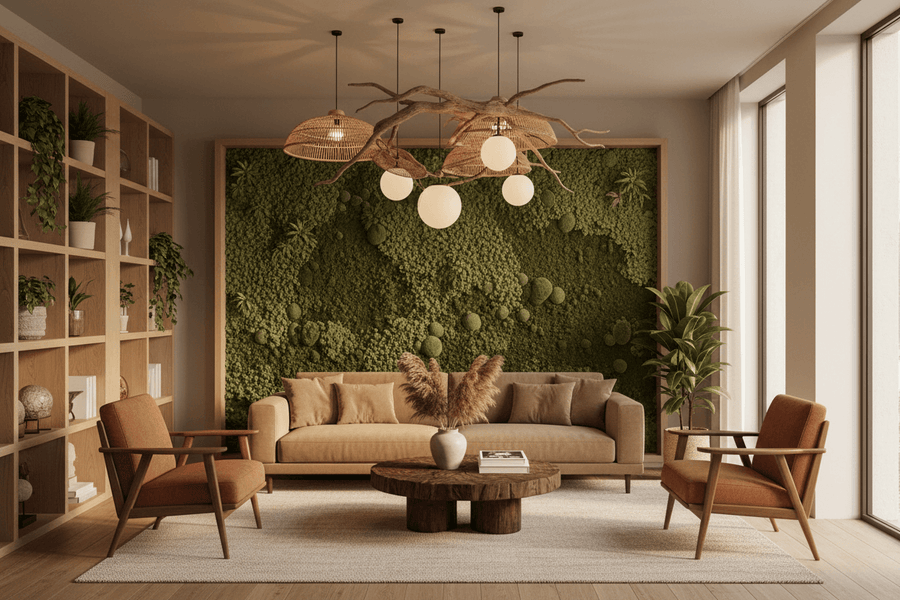
One of the most direct ways to bring nature into your lighting scheme is through the materials from which your fixtures are made. Rattan, bamboo, woven grasses, stone, driftwood, raw clay, and organic glass forms have all become prominent in contemporary lighting design. Rattan pendant lights are perhaps the most universally popular expression of this trend — their woven structure creates exactly the kind of dappled, patterned light described above, casting intricate shadows on surrounding walls and ceilings. Explore Nauradika's pendant collection for organically-inspired designs that bring natural texture into your space.
Stone and ceramic fixtures bring a different natural presence — the weight and texture of earth materials. A ceramic table lamp or travertine wall sconce doesn't just look natural; it feels natural in a way that plastic or painted metal cannot replicate.
Integrating Plants and Light
The most literal form of biophilic lighting involves using light to support and highlight living plants. Uplighting plants — directing a small spotlight upward through foliage — creates exactly the dappled, shifting shadow play described above. The effect is particularly dramatic with large-leafed plants like Monstera or bird of paradise, whose graphic silhouettes become architectural when lit from below. Positioning plants near windows creates natural silhouettes in daylight, then illuminating them at night creates a visual continuity between day and night that grounds the room in natural rhythms.
Circadian-Aware Lighting
The most sophisticated expression of biophilic lighting is circadian-aware design — systems designed to support the body's natural sleep-wake cycle by varying colour temperature throughout the day. Cool, bright light in the morning supports alertness; warm, dim light in the evening supports the melatonin production that prepares the body for sleep. You don't need smart technology to achieve this. Simply having different lighting circuits for different times of day — bright overhead lights for mornings, warm table lamps and candles for evenings — replicates the natural light cycle's essential rhythm.
Practical Steps
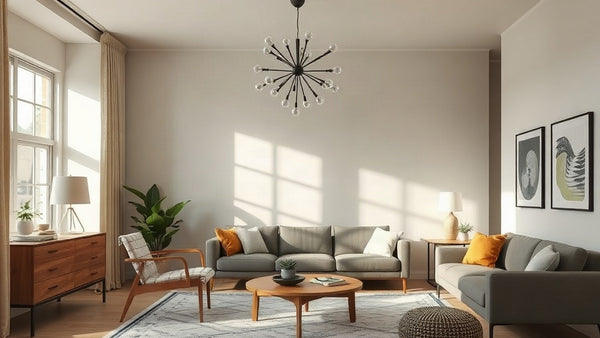
Start by replacing any cool or neutral-white bulbs in living and sleeping areas with warm-white alternatives at 2,700K. Add a floor lamp or table lamp in a corner that currently has no source — this immediately creates the layering that characterises natural light environments. Consider one statement fixture made from natural materials — a rattan pendant, a ceramic table lamp — that brings organic texture into your scheme. Find the full range at Nauradika's wall and pendant collections, designed with biophilic principles in mind.
Nauradika Trade