Bauhaus Lighting: A Framework for Contemporary Design
As we move into autumn 2026, the resurgence of Bauhaus lighting principles offers architects a rigorous foundation for emotional, layered interiors. Bauhaus lighting isn't merely aesthetic nostalgia—it represents a disciplined approach to form, function, and spatial hierarchy that remains remarkably relevant for both residential and commercial projects.
The Bauhaus philosophy demands that every luminous element earn its place. This principle translates directly into specification: reduced visual clutter, enhanced spatial clarity, and occupants who intuitively understand the purpose of each light source. For architects designing cosy, layered schemes this season, this clarity becomes an asset rather than a constraint.
Layered Lighting Through Modernist Logic
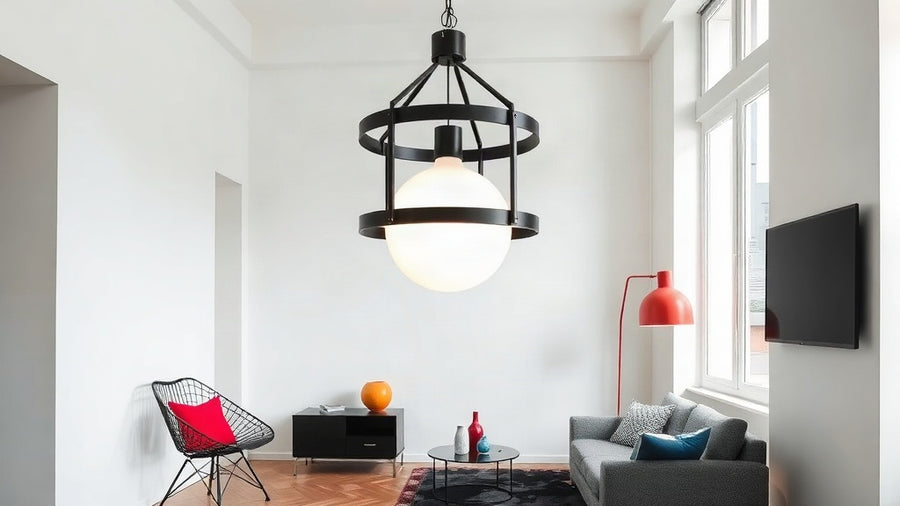
Contemporary practice recognises that spaces require multiple lighting layers—ambient, task, and accent. Bauhaus lighting design systematized this thinking decades ago, yet many contemporary interiors still treat it as afterthought. Strategic deployment of pendant fixtures, wall-mounted sources, and floor luminaires creates functional depth without visual chaos.
Core Specification Strategy
- Ambient layer: Ceiling-mounted or recessed sources; typically 300–500 lux for residential living spaces
- Task layer: Pendant lights over work surfaces, reading zones, kitchen islands; 500–750 lux
- Accent layer: Wall sconces, sculptural floor lamps; creates visual interest and supports circadian rhythm alignment
This hierarchy mirrors Bauhaus pedagogy: function defines form, geometry supports purpose, and aesthetic refinement emerges from honest material expression.
Bauhaus Lamp Specifications for Autumn Interiors
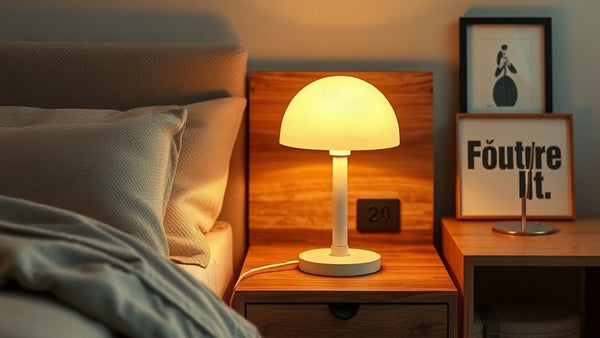
The current appetite for "cosy" interiors need not compromise modernist discipline. A Bauhaus lamp—whether iconic cone pendant or minimalist cylindrical sconce—introduces warm ochre or soft white luminescence without sacrificing spatial legibility. Material honesty remains paramount: brushed metal, ceramic, opal glass, powder-coated steel.
For commercial installations, modernist lighting reduces cognitive load. Consider a office breakout space: a cluster of geometric pendant fixtures in matte black steel, suspended at staggered heights above a timber table, creates visual interest and functional diversity without ornamental excess. Occupants immediately grasp the lighting's purpose.
Specification Considerations
- Colour temperature: 2700K–3000K for residential; 3500K–4000K for commercial task areas
- CRI: Minimum 90 for colour-critical spaces; 80+ acceptable for circulation areas
- Material durability: Specify powder-coated finishes for high-traffic zones
- Dimming capability: Supports emotional responsiveness without compromising modernist geometry
Navigating the Market
The modernist lighting category has fragmented considerably. Distinguish authentic Bauhaus-influenced design—characterised by geometric clarity, honest materiality, and functional restraint—from decorative retro styling. Specification requires direct engagement with suppliers offering verifiable design lineage and manufacture standards.
Bauhaus lighting remains valuable precisely because it refuses sentimentality. As autumn layering becomes interior design priority, this principled approach to luminous space offers architects a proven methodology for spaces that feel both emotionally resonant and intellectually coherent.
Explore the look through bauhaus lighting options and related pieces in our Bauhaus Inspired Light Fixtures collection.
Why this style works
The right light does more than illuminate a room. It sets the rhythm of the space, gives furniture a visual anchor, and helps a decorative scheme feel intentional rather than assembled. For readers arriving from search, this section connects the design idea to practical product selection.
- Creates a clear focal point
- Adds warmth and texture
- Works across contemporary and vintage-inspired rooms
How to choose the right piece
Start with scale, then material, then light temperature. A pendant or wall light should feel proportionate to the room and the furniture below it. Natural materials tend to soften modern interiors, while darker finishes can make a more graphic statement.
- Check ceiling height and furniture dimensions
- Choose a finish that repeats elsewhere in the room
- Use warm bulbs for living and dining spaces
Where to use it
This look is especially effective in dining rooms, bedrooms, hallways and boutique hospitality spaces where atmosphere matters. It can also work in renovations where a single lighting change needs to make the room feel more finished.
- Dining tables and kitchen islands
- Bedrooms and reading corners
- Hallways, restaurants and boutique hotels
Shop the Look
For the most relevant products, start with the article's featured piece and the matching collection. Product price, availability and images should be pulled live from Shopify when the template renders.
View the featured bauhaus lighting or browse the full related collection.
Présenté dans ce guide
Voir la collectionWhy this style works
Frequently asked questions
Nauradika Trade