As we settle into the cosier months, there's no better time to refresh your interiors with lighting that feels both calming and intentional. The spring 2026 lighting trends are already steering us towards mindful design—and Japanese pendant lights are leading the way. These beautifully understated fixtures offer something increasingly rare in modern homes: genuine tranquillity.
Why Japanese Design Belongs in Your Home Right Now
Japanese pendant lights embody the wabi sabi philosophy—finding beauty in imperfection, simplicity, and the natural aging of materials. Unlike trendy statement pieces that date quickly, a well-chosen Japanese pendant light becomes a timeless anchor in your space. Whether you're renovating a bedroom, kitchen, or living area, these fixtures work quietly in the background while elevating your entire aesthetic.
The beauty of wabi sabi pendant light design lies in its restraint. Soft diffused glow, natural materials, and minimal ornamentation create an atmosphere that feels both intentional and lived-in—perfect for autumn when we're craving warmth without clutter.
Key Features to Look For
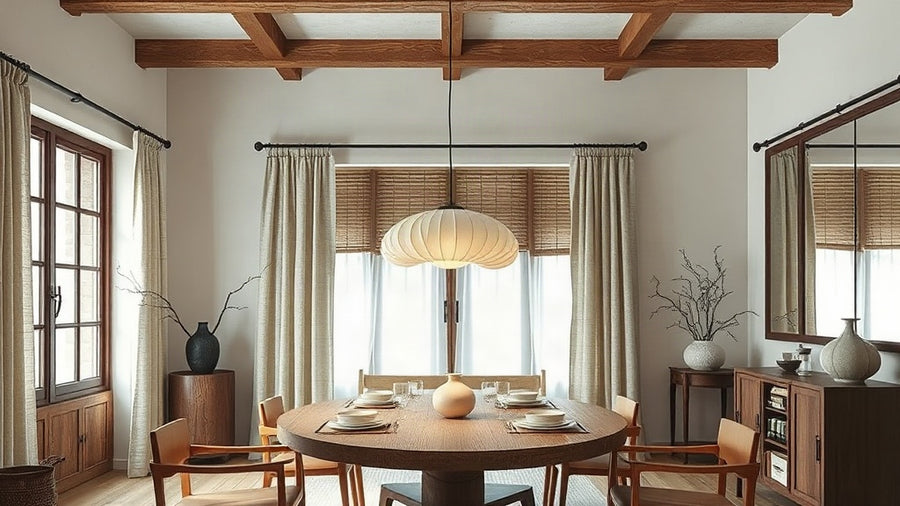
- Rice paper construction: Traditional rice paper lamps filter light beautifully, casting gentle shadows that transform your room throughout the day
- Natural materials: Wood, bamboo, and ceramic bases that develop character over time
- Minimal metalwork: Often brass or matte black—never fussy or ornate
- Sustainable sourcing: Most Japanese pendant lights use eco-conscious production methods
Styling Your Japanese Pendant Light
A zen ceiling lamp works beautifully in almost any room when you keep surrounding décor considered. Pair your Japanese pendant light with:
- Neutral wall colours (soft greys, warm whites, natural stone tones)
- Wooden furniture with visible grain or natural finishes
- Minimal accessories and strategic negative space
- Plants or natural elements at ground level
In the kitchen, a rice paper lamp above your island creates intimate task lighting without the harshness of modern downlights. In bedrooms, Japanese pendant lights hung either side of the bed offer softer alternatives to bedside lamps. Living rooms benefit from the layered lighting these fixtures provide when combined with floor lamps or subtle wall sconces.
The Spring 2026 Trend for Thoughtful Living
This year's lighting trends reflect a broader shift away from "more" and towards "better." Consumers are investing in fewer, higher-quality pieces that align with their values. A Japanese pendant light isn't just functional lighting—it's a statement about how you want to live. It says: I value calm. I appreciate craftsmanship. I've thought about this space.
The wabi sabi aesthetic particularly resonates in autumn, when natural light becomes precious and interiors become sanctuaries. A rice paper lamp glowing softly on an October evening feels like luxury precisely because it asks so little of you.
Finding Your Perfect Piece
When selecting a Japanese pendant light, consider your room's proportions and existing light sources. A single fixture works for intimate spaces; larger rooms benefit from pairs or clustered arrangements. Look for designers who source authentic materials and understand the philosophy behind the design, not just the aesthetic.
Your home should feel like a refuge. With a Japanese pendant light casting warm, considered illumination overhead, you're not just lighting a room—you're creating space for calm.
Explore the look through japanese pendant light options and related pieces in our Japanese Light Fixtures collection.
Why this style works
The right light does more than illuminate a room. It sets the rhythm of the space, gives furniture a visual anchor, and helps a decorative scheme feel intentional rather than assembled. For readers arriving from search, this section connects the design idea to practical product selection.
- Creates a clear focal point
- Adds warmth and texture
- Works across contemporary and vintage-inspired rooms
How to choose the right piece
Start with scale, then material, then light temperature. A pendant or wall light should feel proportionate to the room and the furniture below it. Natural materials tend to soften modern interiors, while darker finishes can make a more graphic statement.
- Check ceiling height and furniture dimensions
- Choose a finish that repeats elsewhere in the room
- Use warm bulbs for living and dining spaces
Where to use it
This look is especially effective in dining rooms, bedrooms, hallways and boutique hospitality spaces where atmosphere matters. It can also work in renovations where a single lighting change needs to make the room feel more finished.
- Dining tables and kitchen islands
- Bedrooms and reading corners
- Hallways, restaurants and boutique hotels
Shop the Look
For the most relevant products, start with the article's featured piece and the matching collection. Product price, availability and images should be pulled live from Shopify when the template renders.
View the featured japanese pendant light or browse the full related collection.
Présenté dans ce guide
Voir la collectionWhy this style works
Frequently asked questions
Nauradika Trade