Éclairage pour le home staging : transformez les espaces grâce à un éclairage stratégique
En ce début d'automne 2026, le home staging a évolué au-delà de la simple disposition des meubles et des palettes de couleurs. L'éclairage occupe désormais le devant de la scène en tant qu'outil essentiel pour mettre en valeur les espaces résidentiels et commerciaux. Un éclairage de home staging stratégique peut améliorer les dimensions perçues, souligner les éléments architecturaux et créer la résonance émotionnelle qui transforme les visites en offres.
1. Conception d'éclairage par couches
Le home staging professionnel repose sur une triple illumination : un éclairage ambiant, fonctionnel et d'accentuation. Plutôt que de dépendre uniquement des plafonniers, les architectes et les spécialistes du staging déploient des suspensions, des appliques murales et des lampadaires pour créer de la profondeur. Cette approche permet aux propriétés de paraître à la fois ouvertes et intimes selon le contexte de la visite.
2. Température de couleur chaude pour le confort
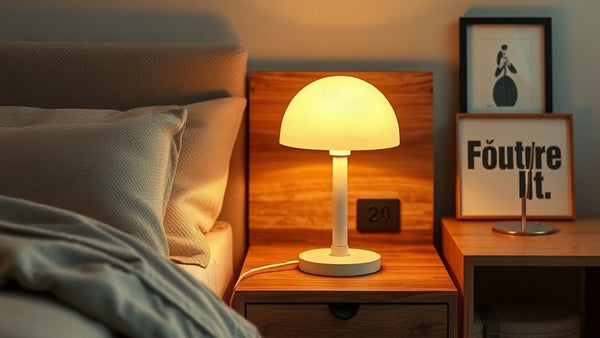
À l'approche de l'automne, l'éclairage aux tons chauds (2700K–3000K) domine le staging de luxe. Cette température imite le coucher de soleil naturel et crée un confort psychologique, essentiel pour les propriétés résidentielles. Les suspensions vintage et d'inspiration scandinave offrent naturellement cette chaleur sans paraître démodées.
3. L'éclairage signature comme point focal
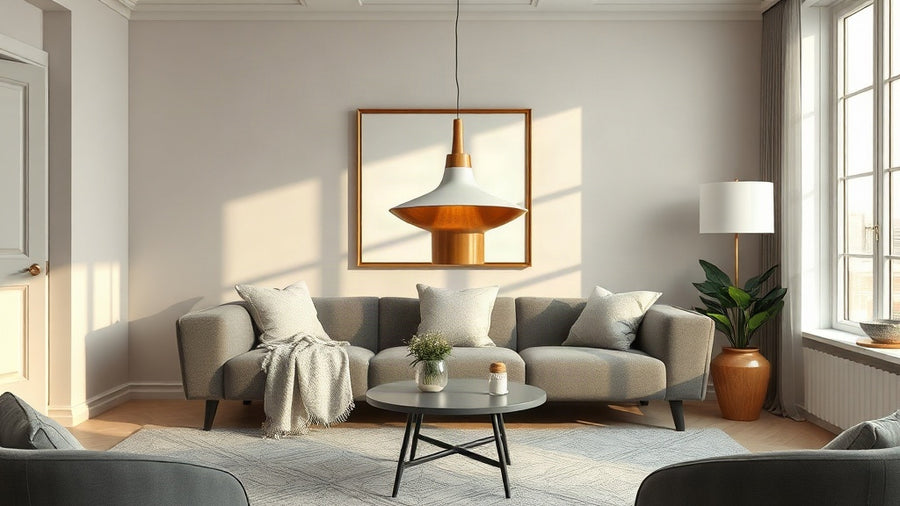
Les acheteurs et les clients attendent de plus en plus des pièces d'éclairage distinctives. Les luminaires modernes du milieu du siècle et rétro remplissent une double fonction : ils mettent en scène les espaces efficacement tout en démontrant la qualité des finitions et le souci du détail. Une seule suspension signature au-dessus d'une table à manger ou dans un hall d'entrée ancre le récit d'une pièce.
4. Technologie d'éclairage adaptative
Les systèmes intelligents et dimmables ne sont plus des ajouts de luxe, mais des attentes de base. Un éclairage de home staging capable de passer de tons vifs et neutres pour les visites en journée à des réglages chauds et tamisés pour les présentations en soirée maximise l'attrait d'une propriété en fonction des moments et des ambiances.
5. Esthétique minimaliste à impact maximal
Le staging contemporain évite les luminaires ornés ou surdimensionnés. Les principes du design scandinave dominent : lignes épurées, formes sobres et élégance fonctionnelle. Ces luminaires sont particulièrement photogéniques pour les annonces en ligne tout en conservant une crédibilité architecturale.
Application pratique pour les architectes
Lors de la définition de l'éclairage pour le home staging, considérez :
- Les proportions des pièces et la hauteur des plafonds — la longueur des suspensions affecte l'espace perçu
- Les éléments architecturaux existants nécessitant une mise en valeur
- Les exigences photographiques pour le marketing numérique
- La flexibilité pour de multiples scénarios de staging
- Le retour sur investissement grâce à la portabilité des luminaires
Considérations sur les matériaux et les finitions
Les matériaux naturels — laiton, placage de teck, céramique — s'alignent sur l'accent mis sur la durabilité en 2026. Ces finitions se photographient également de manière authentique, ce qui est crucial pour les visites virtuelles et les images marketing haute résolution. Évitez les options chromées ou chargées en plastique qui vieillissent rapidement ou se photographient mal sous un éclairage professionnel.
Tendances d'éclairage moderne appliquées au staging
Les tendances d'éclairage moderne favorisent de plus en plus la simplicité sculpturale et la matérialité plutôt que la complexité technologique. Les designs d'inspiration rétro — en particulier les pièces scandinaves des années 1960-1970 — résonnent auprès des acheteurs contemporains en quête de caractère et d'authenticité. Cette convergence rend l'éclairage vintage et de reproduction soigneusement sélectionné exceptionnellement efficace pour les stratégies d'éclairage en home staging.
La différence entre une illumination adéquate et un éclairage de home staging stratégique est substantielle. C'est la différence entre un espace fonctionnel et un espace qui captive. Pour les architectes abordant des projets résidentiels ou commerciaux cet automne, prioriser la spécification de l'éclairage dès le brief garantit que les projets sont photographiés de manière convaincante, mis en scène efficacement et conservent leur impact visuel sur tous les canaux marketing.
Découvrez le look à travers nos options d' éclairage pour home staging et les pièces associées dans notre collection de lampes de table et lampadaires.
Pourquoi ce style fonctionne
La bonne lumière fait bien plus qu'éclairer une pièce. Elle rythme l'espace, donne aux meubles un point d'ancrage visuel et aide un aménagement décoratif à paraître intentionnel plutôt qu'assemblé. Pour les lecteurs arrivant via une recherche, cette section relie l'idée de design à la sélection pratique de produits.
- Crée un point focal clair
- Ajoute chaleur et texture
- Fonctionne aussi bien dans les pièces contemporaines que dans celles d'inspiration vintage
Comment choisir la bonne pièce
Commencez par l'échelle, puis le matériau, et enfin la température de couleur. Une suspension ou une applique murale doit être proportionnelle à la pièce et au meuble situé en dessous. Les matériaux naturels ont tendance à adoucir les intérieurs modernes, tandis que les finitions plus sombres peuvent créer une déclaration plus graphique.
- Vérifiez la hauteur sous plafond et les dimensions des meubles
- Choisissez une finition qui se retrouve ailleurs dans la pièce
- Utilisez des ampoules chaudes pour les espaces de vie et de salle à manger
Où l'utiliser
Ce style est particulièrement efficace dans les salles à manger, les chambres, les couloirs et les espaces d'accueil boutique où l'atmosphère compte. Il peut également fonctionner lors de rénovations où un simple changement d'éclairage doit rendre la pièce plus finie.
- Tables à manger et îlots de cuisine
- Chambres et coins lecture
- Couloirs, restaurants et hôtels boutique
Shop the Look
Pour les produits les plus pertinents, commencez par la pièce présentée dans l'article et la collection correspondante. Le prix des produits, la disponibilité et les images devraient être extraits en temps réel de Shopify lors du rendu du modèle.
Voir l'éclairage pour home staging présenté ou parcourez la collection complète.
Nauradika Trade